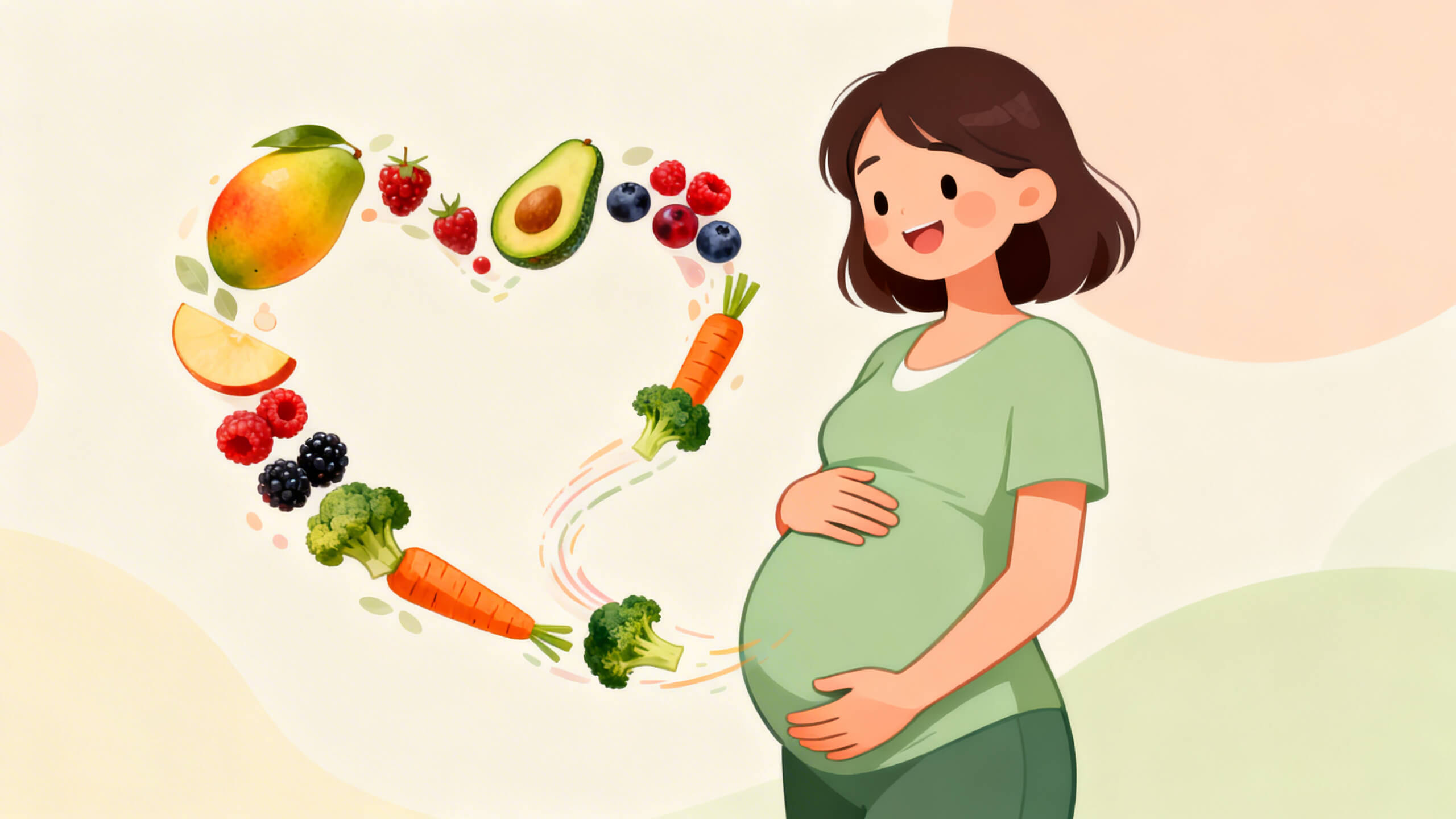
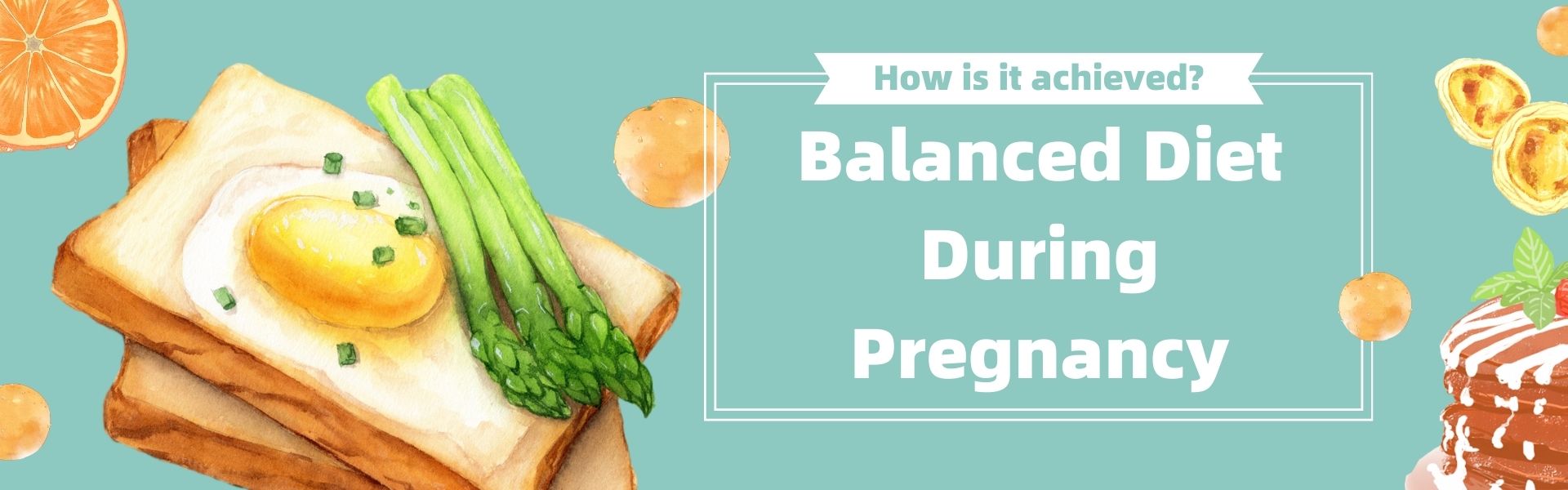
Pregnancy is a crucial time in a woman’s life, and it comes with significant dietary challenges. Eating a balanced diet during pregnancy is essential for the mother’s health and the development of the baby. In this blog, we will discuss some tips on how to achieve a balanced diet during pregnancy.
Importance of a Balanced Diet during Pregnancy
A balanced diet during pregnancy provides necessary nutrients to the mother and the developing fetus. It reduces the risk of pregnancy complications, such as gestational diabetes, preeclampsia, and preterm birth. A balanced diet also helps the mother to maintain a healthy weight, and it ensures that the baby grows adequately.
The Components of a Balanced Diet
A balanced diet consists of five main components:
- Proteins
- Carbohydrates
- Fats
- Vitamins
- Minerals
Let us discuss each of these components in detail.
Proteins
Proteins play a vital role in the development of the baby’s tissues and organs. Pregnant women should aim to consume 75-100 grams of protein per day. Good protein sources include:
- Lean meats
- Fish
- Poultry
- Eggs
- Beans and legumes
- Nuts and seeds
Carbohydrates
Carbohydrates provide energy to the mother and the developing fetus. Complex carbohydrates are best because they release energy slowly and maintain blood sugar levels. Pregnant women should aim to consume 175-210 grams of carbohydrates per day. Good sources of carbohydrates include:
- Whole wheat bread
- Brown rice
- Oats
- Fruits
- Vegetables
Fats
Fats are essential for the baby’s brain and eye development. Pregnant women should aim to consume 20-35% of their daily calories from fat. Good sources of fats include:
- Avocado
- Nuts and seeds
- Olive oil
- Fatty fish
Vitamins
Vitamins play a crucial role in the baby’s growth and development. Pregnant women should aim to consume the following vitamins:
- Vitamin A: for healthy skin, eyes, and immune system. Good sources include eggs, sweet potatoes, and spinach.
- Vitamin C: for healthy gums and teeth, and for iron absorption. Good sources include oranges, strawberries, and broccoli.
- Vitamin D: for strong bones and teeth. Good sources include sunlight, fatty fish, and fortified milk.
- Vitamin E: for healthy skin and eyes. Good sources include nuts, seeds, and spinach.
- Vitamin K: for blood clotting. Good sources include leafy green vegetables, eggs, and meat.
Minerals
Minerals are essential for the baby’s growth and development. Pregnant women should aim to consume the following minerals:
- Calcium: for strong bones and teeth. Good sources include milk, cheese, and yogurt.
- Iron: for hemoglobin production, which carries oxygen to the baby. Good sources include red meat, beans, and spinach.
- Zinc: for cell growth and immune function. Good sources include beef, pork, and beans.
- Iodine: for thyroid function. Good sources include iodized salt, seafood, and dairy products.
Tips for Achieving a Balanced Diet during Pregnancy
Achieving a balanced diet during pregnancy can be challenging, but it is achievable with some tips and tricks.
- Plan meals ahead of time and make a grocery list.
- Eat small, frequent meals throughout the day.
- Stay hydrated by drinking plenty of water.
- Choose whole foods over processed foods.
- Avoid foods that are high in sugar or saturated fat.
- Take prenatal vitamins as recommended by your doctor.
- Do not skip meals, especially breakfast.
- Avoid alcohol, caffeine, and nicotine.
Conclusion
Achieving a balanced diet during pregnancy is essential for the mother’s health and the baby’s growth and development. A balanced diet consists of proteins, carbohydrates, fats, vitamins, and minerals. Planning meals ahead of time, choosing whole foods, and avoiding processed foods can help pregnant women achieve a balanced diet. By following these tips, pregnant women can ensure that they and their babies remain healthy throughout pregnancy and beyond. Remember to consult with your doctor or a registered dietitian for more specific dietary advice during your pregnancy.
July 22, 2026