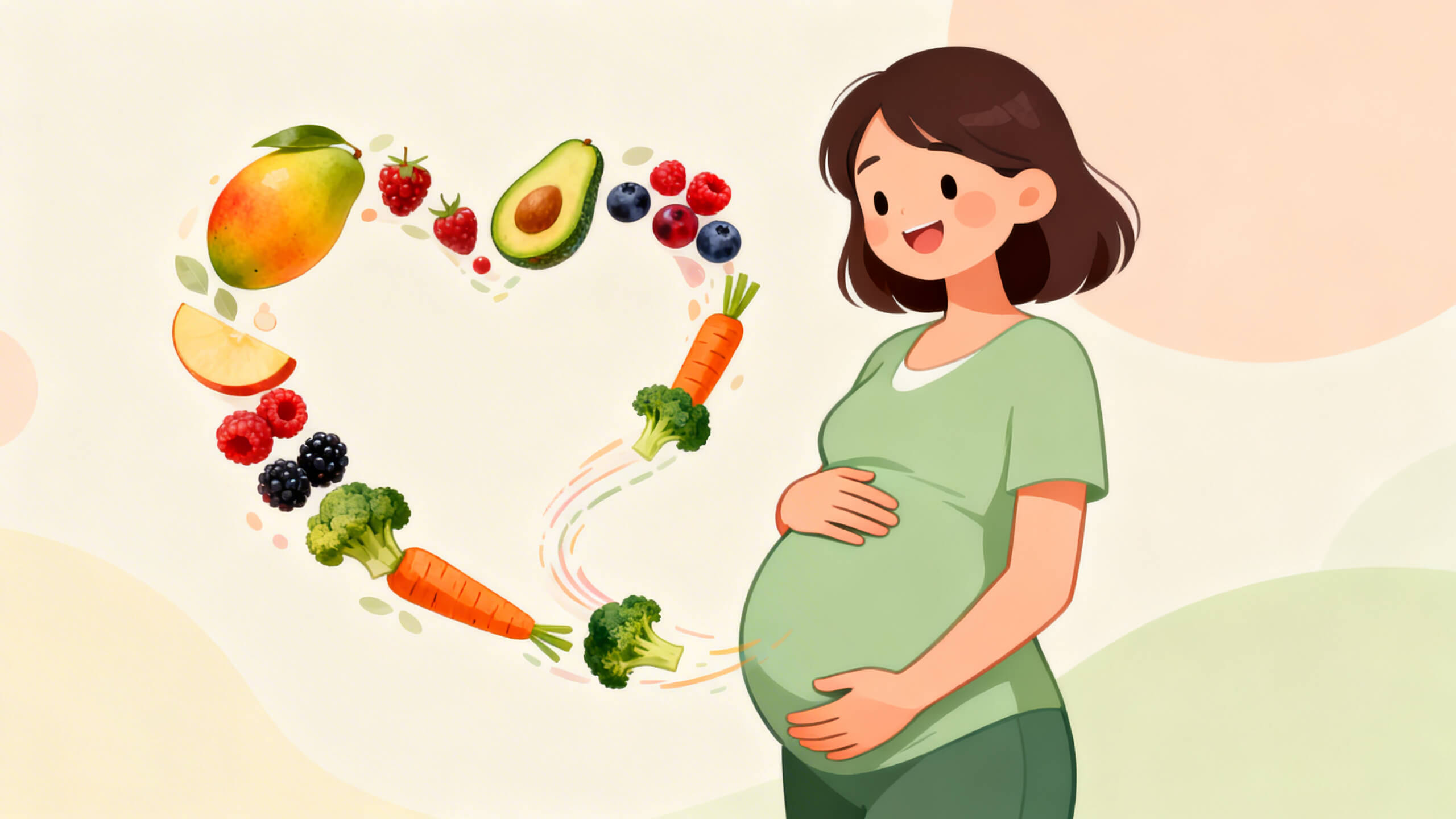
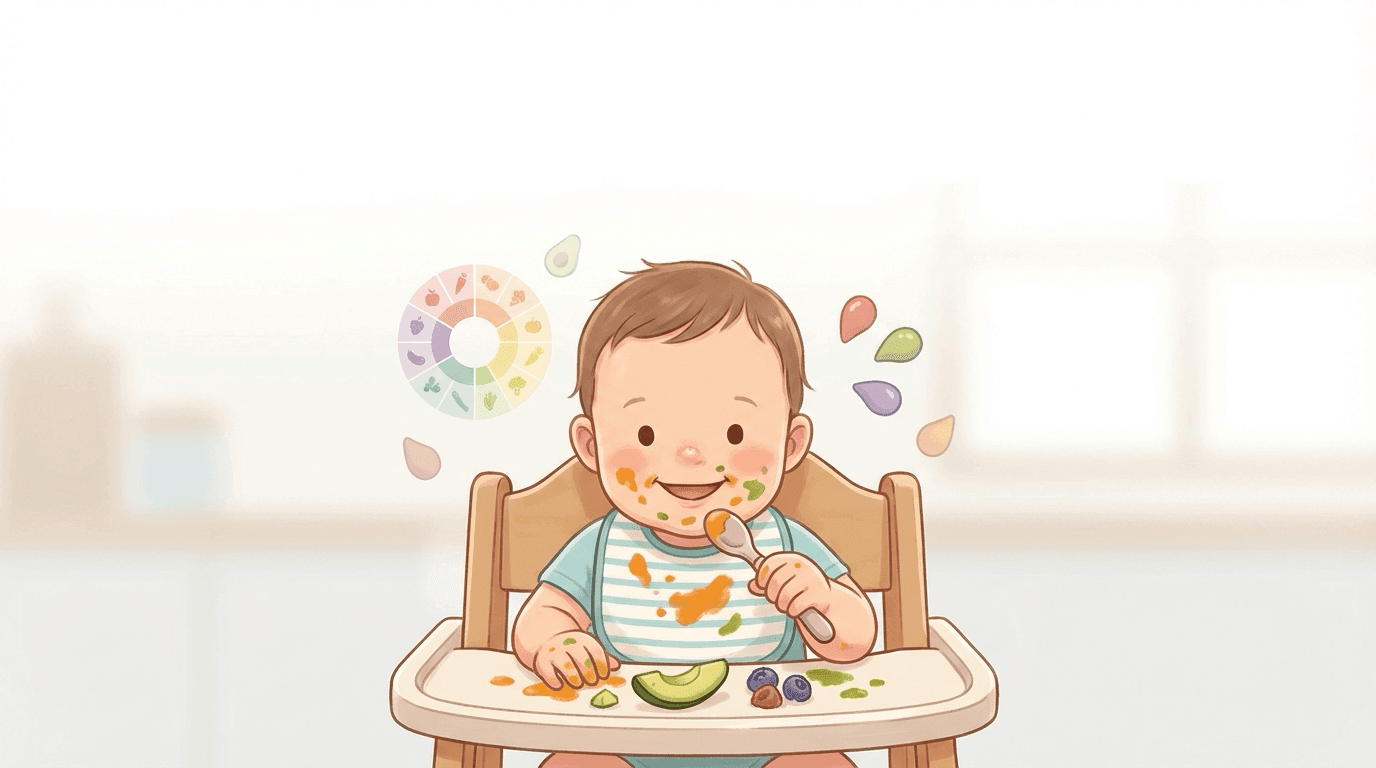
Infant flavor training is not an exercise in competitive parenting. It is not about producing a prodigy who requests fennel risotto at age three or critiques the seasoning on restaurant meals. It is about something far more practical and far more lasting: giving a child the neurological foundation for a broad, flexible, and joyful relationship with food — one that supports physical health through nutritional diversity, reduces family stress by eliminating mealtime battles, and provides the social ease of being able to eat readily and happily across every culture, kitchen, and table that life will present.

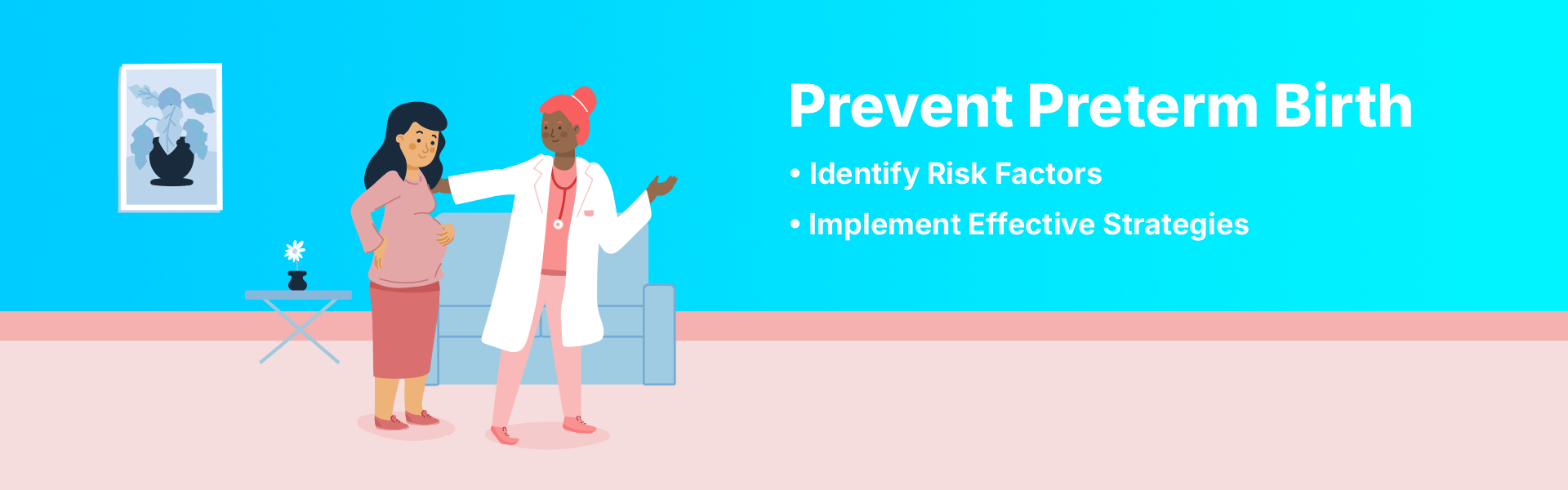
Preterm birth, defined as the delivery of a baby before 37 weeks of gestation, affects approximately 15 million infants worldwide each year, accounting for about 10% of all live births. Factors such as maternal age, smoking, and poor nutrition can increase the likelihood of early labor. Understanding these risks is crucial for expectant parents, as it allows them to take proactive steps during pregnancy. By prioritizing regular prenatal care and making healthy lifestyle choices, parents can better support the health of both mother and baby.

As we eagerly anticipate the arrival of our new baby, it's easy to forget that our older children also require preparation for this significant change. In fact, they may struggle to understand and adapt to the arrival of a new sibling. It's essential that we take the time to help them transition to their new role and welcome their new brother or sister into the family.
The journey of fetal development is a testament to the wonder of human life. From a single cell to a fully-formed baby, each week brings new and exciting changes. Understanding this process can help expectant parents appreciate the miracle growing within and prepare for the challenges and joys of parenthood.

By engaging in prenatal education, parents can lay a strong foundation for their child's growth and development. It's important to recognize that every parent has the ability to contribute to their child's future success. Your efforts in prenatal education can make a remarkable difference in your child's life, nurturing their potential and helping them become the best version of themselves.


Many parents opt for a baby cradle in the initial weeks after their child's birth for its portability and convenience of keeping the baby close in the parent's room. However, it's crucial to bear in mind that infants grow rapidly. A cradle that fits perfectly this month may become too small the next. To maximize the safety and longevity of your child's first bed, the cradle, please follow these suggestions for selecting and using it.
Complimentary US Shipping on Orders Over $79