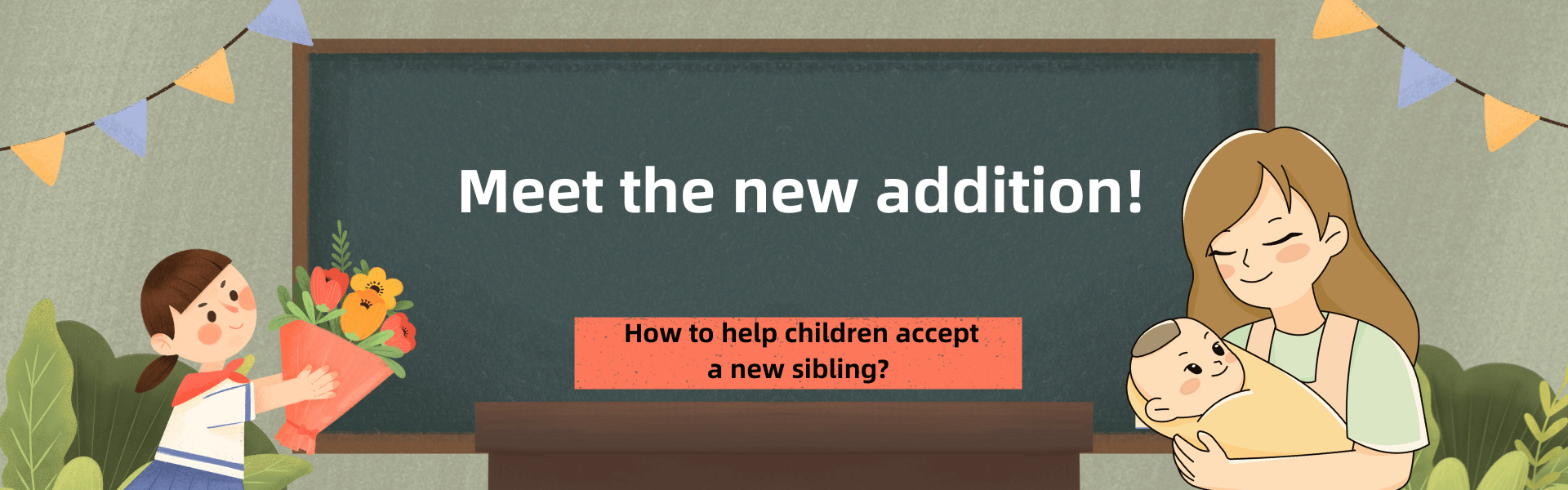
Bringing a new baby into the family is an exciting time, but it can also be challenging, especially for siblings. In our previous article, we discussed what expecting fathers should prepare for the arrival of a newborn. However, as parents, we often focus on preparing for the new arrival, sometimes forgetting that our existing children need preparation too.
Why Preparation Matters
The arrival of a new baby is a big deal for the whole family. About 80% of parents report feeling stressed about how their older children will react to a new sibling.
Some surveys indicate common challenges families face during this transition include:
- Jealousy and sibling rivalry (experienced by approximately 65% of families)
- Regression in behavior (seen in about 50% of older siblings)
- Increased tantrums or acting out (reported by 40% of parents)
- Difficulty adjusting to new routines (affecting roughly 70% of families)
Understanding Your Child’s Reaction
Children’s reactions to a new sibling vary greatly depending on their age and personality.
Toddlers and Preschoolers (1-5 years):
These little ones might struggle the most with change. About 75% of children in this age group show some signs of regression or jealousy. They may:
- Demand more attention
- Revert to baby-like behavior (e.g., asking for a bottle)
- Act out more frequently
School-age Children (6-12 years):
While generally more understanding, around 60% of school-age children still experience some difficulty adjusting. They might:
- Feel excited but also anxious about changes in family dynamics
- Worry about getting less attention from parents
- Show increased independence as a coping mechanism
Teenagers (13-18 years):
Teens are often the most adaptable, with only about 30% reporting significant issues. However, they may:
- Feel resentful about increased responsibilities
- Worry about how the new baby will affect their social life
- Experience conflicting emotions of excitement and annoyance
Remember, every child is unique. Your normally easy-going kid might struggle, while your typically dramatic one takes it in stride. The key is to be prepared for a range of reactions.
Preparing Children Before the Baby Arrives
Timing is everything when it comes to announcing your pregnancy. For younger children, wait until the pregnancy is showing, as the concept of time is difficult for them to grasp. For older kids, you might share the news earlier, involving them in the excitement from the start.
Here are some effective strategies to prepare your children:
- Age-appropriate explanations: Be honest but gentle. For younger kids, use simple terms and maybe even picture books. For older ones, you can be more detailed about the pregnancy and birth process.
- Involve them in milestones: Let them attend doctor’s appointments or ultrasound visits if possible. About 85% of children who are involved in these activities report feeling more connected to the baby.
- Prepare the nursery together: This can be a fun bonding activity. Let them choose some decor or help organize baby items.
- Read books about new siblings: There are many great children’s books on this topic. Reading together can open up conversations about their feelings.
- Role-play: Using dolls or stuffed animals, act out scenarios with a new baby. This can help children understand what to expect.
- Discuss family changes: Be upfront about how routines might change. Reassure them of their important place in the family.
Maintaining Routines and Attention
Consistency is key during times of change.
- Keep children’s schedules as normal as possible. About 90% of children adjust better when their routines remain stable.
- Spend quality one-on-one time with each child. Even 15 minutes a day can make a huge difference.
- Enlist help from family and friends to ensure each child gets attention.
- Maintain important rituals like bedtime stories or weekend outings.
The Big Introduction
The first meeting of siblings is a key experience. By applying some methods, we can make it more unforgettable (Research by Nobel laureate Daniel Kahneman indicates that memories of peak moments are more vivid).
- If possible, have the first meeting at home rather than the hospital. About 75% of children feel more comfortable in familiar surroundings.
- Encourage gentle interactions, showing how to touch and speak to the baby.
- Give siblings a special role, like being the baby’s “protector” or “helper.”
- Consider exchanging gifts between siblings and the new baby. This can create a positive association.
Handling Negative Reactions
It’s normal for children to have some negative reactions:
- Jealousy and sibling rivalry: Acknowledge feelings and provide extra attention. About 80% of children respond positively to this approach.
- Aggressive behavior towards the baby: Set clear boundaries and supervise interactions closely. Redirect negative behavior positively.
- Regression: Be patient and avoid criticism. Most children (about 90%) naturally grow out of regressive behavior within a few months.
- Seek professional help if negative behaviors persist or worsen after a few months.
Fostering Positive Sibling Relationships
Building a strong sibling bond takes time and effort:
- Encourage bonding activities like singing to the baby or helping with diaper changes.
- Teach sharing and cooperation through games and daily activities.
- Avoid comparisons between siblings. Each child is unique and should be celebrated for their individual qualities.
- Create opportunities for positive interactions. About 95% of siblings who engage in regular, fun activities together report stronger bonds.
Addressing Specific Family Situations
Every family is unique, and what works for one may not work for another. However, with a thoughtful and tailored approach, every family can create a harmonious and loving environment for all members.
Single-child families: Focus on preparing the only child for sharing attention. Emphasize the benefits of having a sibling.
Blended families: Navigate step-sibling relationships carefully. Address concerns about favoritism openly.
Families with multiple children: Balance attention among all siblings. Encourage older children to help with younger ones, but be cautious not to overburden them.
Families with special needs children: Address unique concerns and anxieties. Adapt strategies to accommodate special needs, ensuring all children feel equally valued.
Long-term Strategies for Family Harmony
As your family grows, consider these strategies:
- Hold regular family meetings to discuss issues and celebrate successes.
- Establish fair rules and expectations for all children.
- Encourage open communication. Create a safe space for all family members to express their feelings.
- Plan shared family experiences. These create lasting bonds and happy memories.
Conclusion
Welcoming a new sibling is a journey filled with both challenges and joys. Remember, about 95% of families report positive sibling relationships in the long run, even if there are initial struggles. Be patient with your children and yourself. Every family is unique, so don’t be afraid to adapt these strategies to fit your specific situation.
Remember, you’re not alone in this journey. With preparation, patience, and love, your family will grow not just in number, but in strength and closeness too.
Sources & Further Reading:
October 25, 2026