

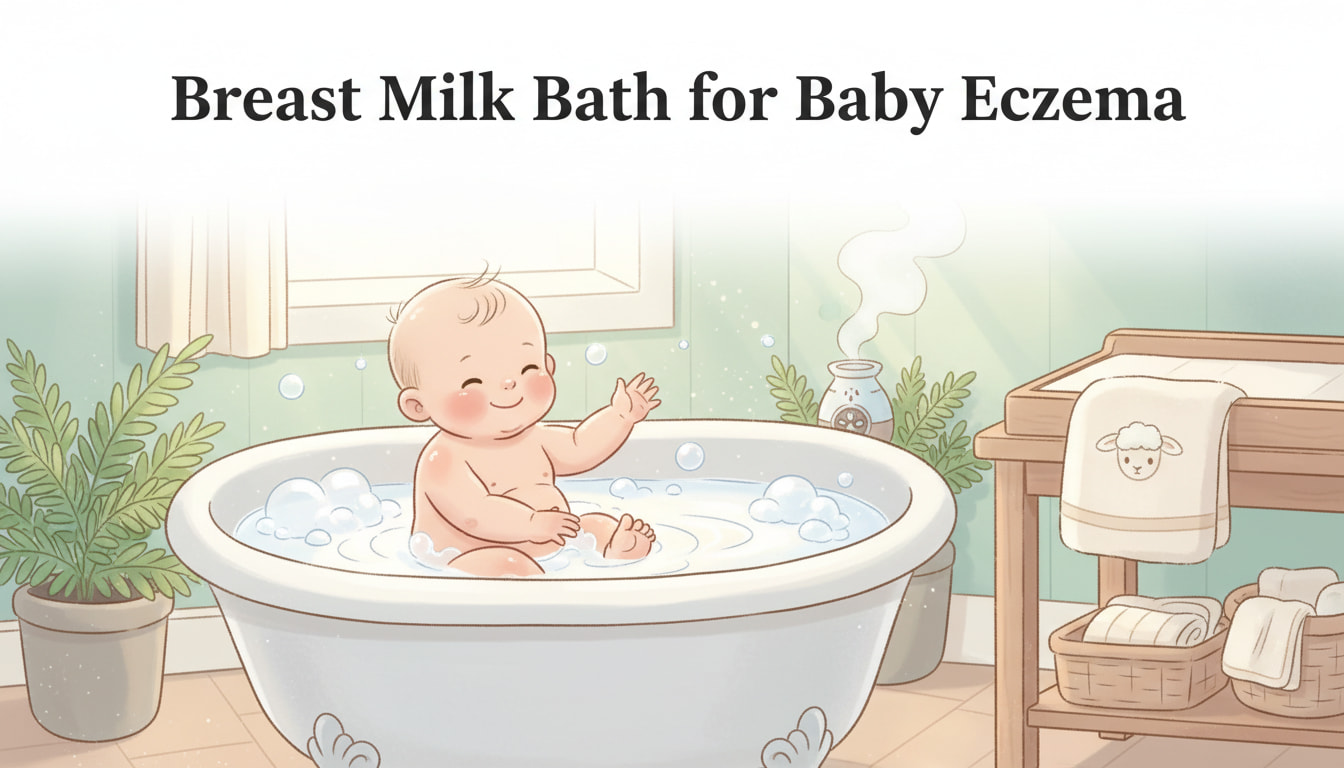
A breast milk bath for baby eczema is a scientifically backed, natural remedy that repairs the skin's broken barrier using human milk's unique fatty acids and antibodies; simply add 4 to 10 ounces of milk to a lukewarm tub, let your baby soak for 10 to 15 minutes without rinsing, and immediately apply a thick ointment to lock in the healing moisture.


If a child is consistently breathing through the mouth—particularly during sleep—it is worth raising the concern with a pediatrician. A brief video of the child sleeping can be a valuable diagnostic tool. Early evaluation by an ENT specialist and a pediatric dentist can provide clarity, identify the underlying cause, and open the door to interventions that may reshape not just a smile, but a child's entire experience of rest, focus, and well-being.
Non-nutritive sucking is one of the oldest and most elegantly designed features of the human infant. It predates spoken language by millennia. It predates parenting philosophies, cultural norms, and the invention of the silicone pacifier by countless generations. It is a biological endowment — wired into the fetal brain well before the third trimester, refined through infancy, and gradually released as the developing nervous system acquires richer, more versatile tools for self-regulation, communication, and emotional management.
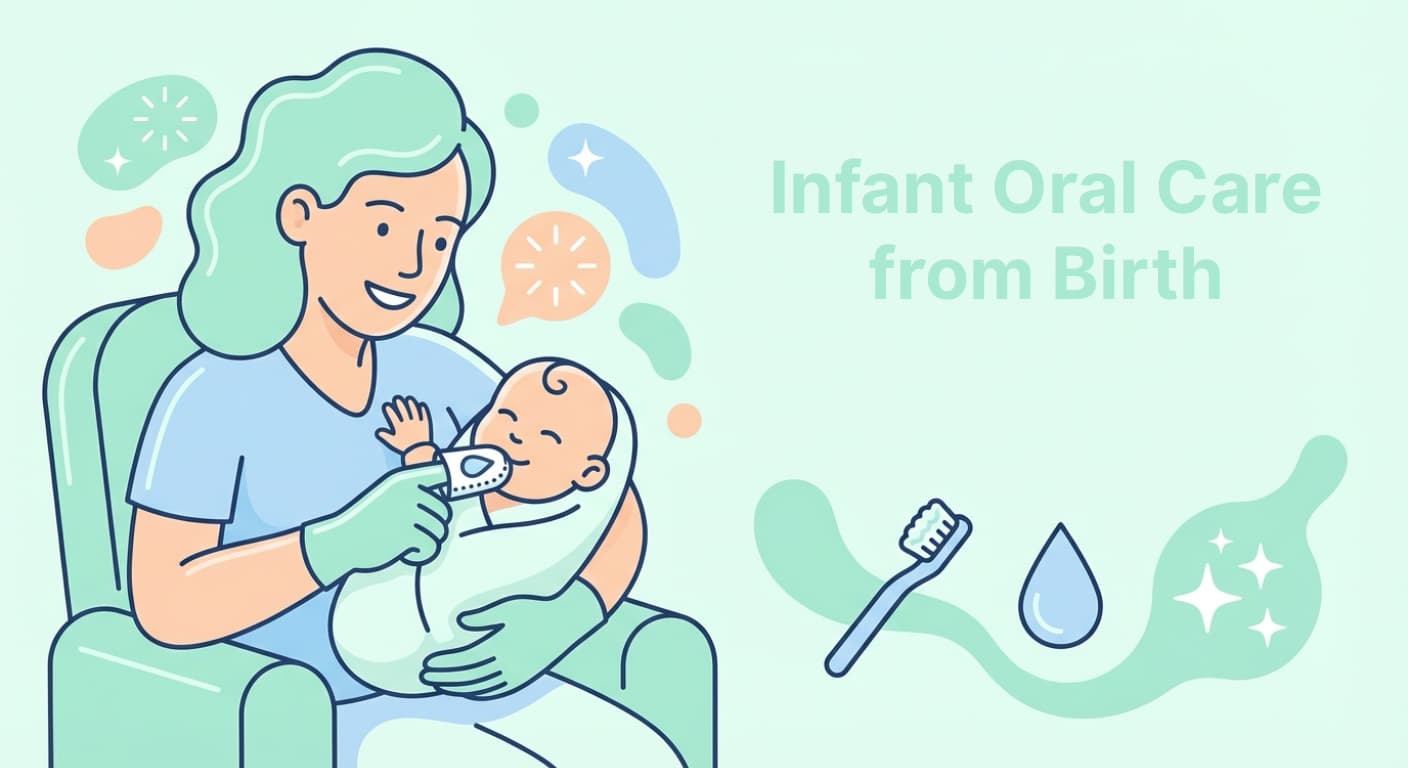
Infant oral care refers to the gentle, daily routine of cleaning a baby's mouth—from birth onward—starting with wiping the gums and tongue with a soft, damp cloth after feedings to remove milk residue and bacteria, then transitioning to brushing emerging teeth with a soft toothbrush and a tiny smear of fluoride toothpaste to prevent early decay and build healthy oral habits.
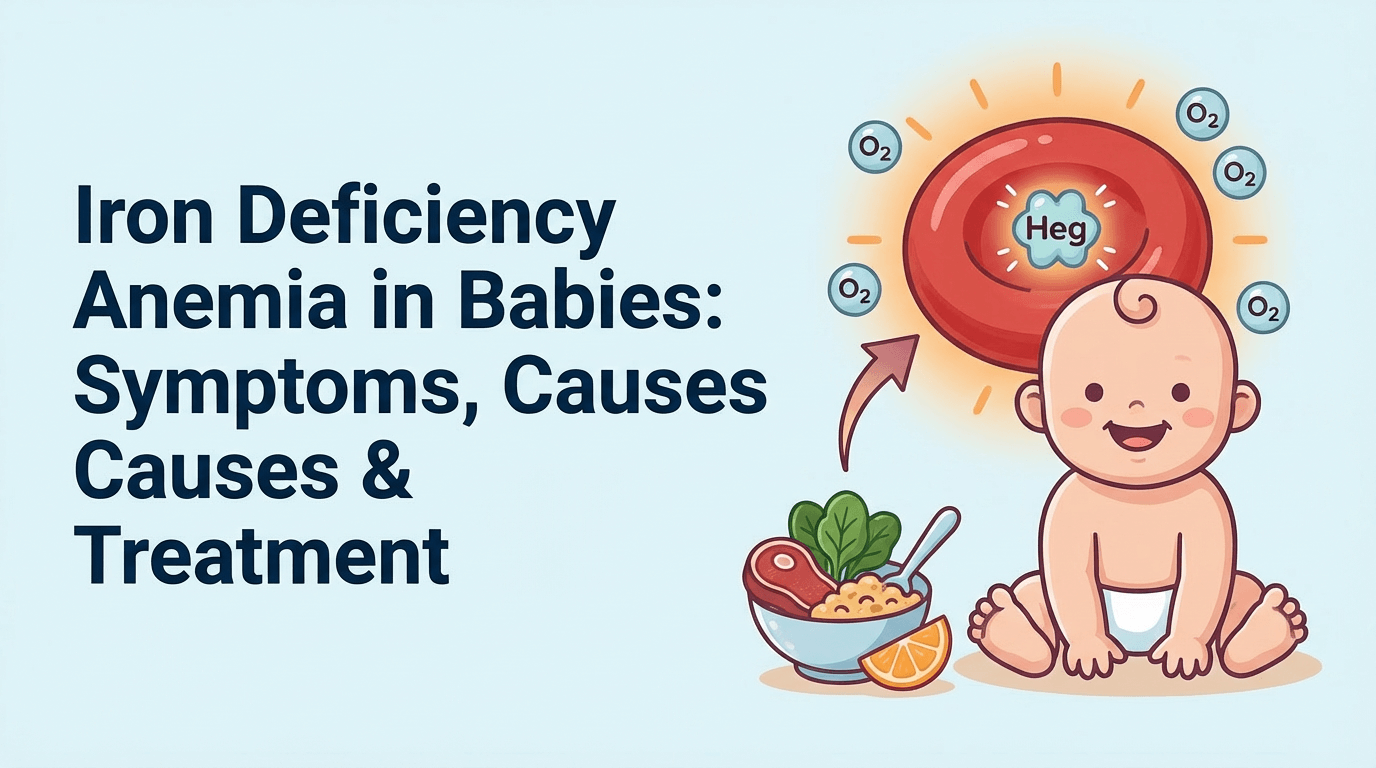
Iron deficiency anemia (IDA) is one of the most common nutritional deficiencies affecting babies and toddlers worldwide. It occurs when an infant lacks enough iron to produce healthy red blood cells, which can quietly impact critical brain development and physical growth. This guide covers the symptoms, causes, and treatment for iron deficiency in babies, providing parents with the clear, actionable information needed to protect their child's health.

Complimentary US Shipping on Orders Over $79