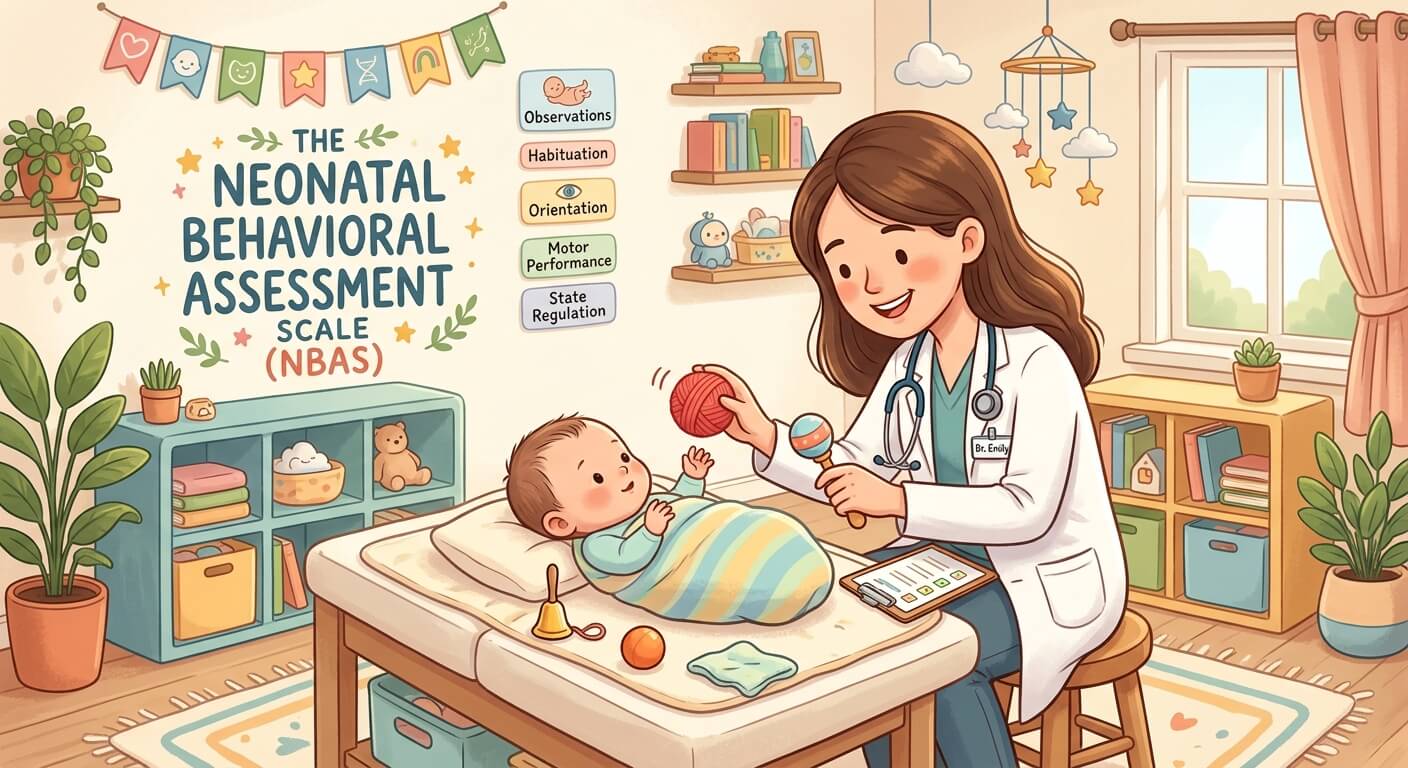





If you find yourself wondering why is the first 3 months called the fourth trimester, it is because human evolutionary biology requires babies to be born neurologically premature, meaning they need you to act as a comforting external womb while the birthing parent simultaneously undergoes a massive physical, hormonal, and psychological metamorphosis.

Often misdiagnosed as colic or an allergy due to the severe gas, constant hunger cues, and green, frothy stools it causes in otherwise thriving infants, lactose overload in breastfed babies is a highly treatable mechanical issue—driven by consuming too much high-sugar foremilk too quickly—that can be entirely resolved by adjusting feeding techniques to ensure the infant accesses the fat-rich, digestion-slowing hindmilk.
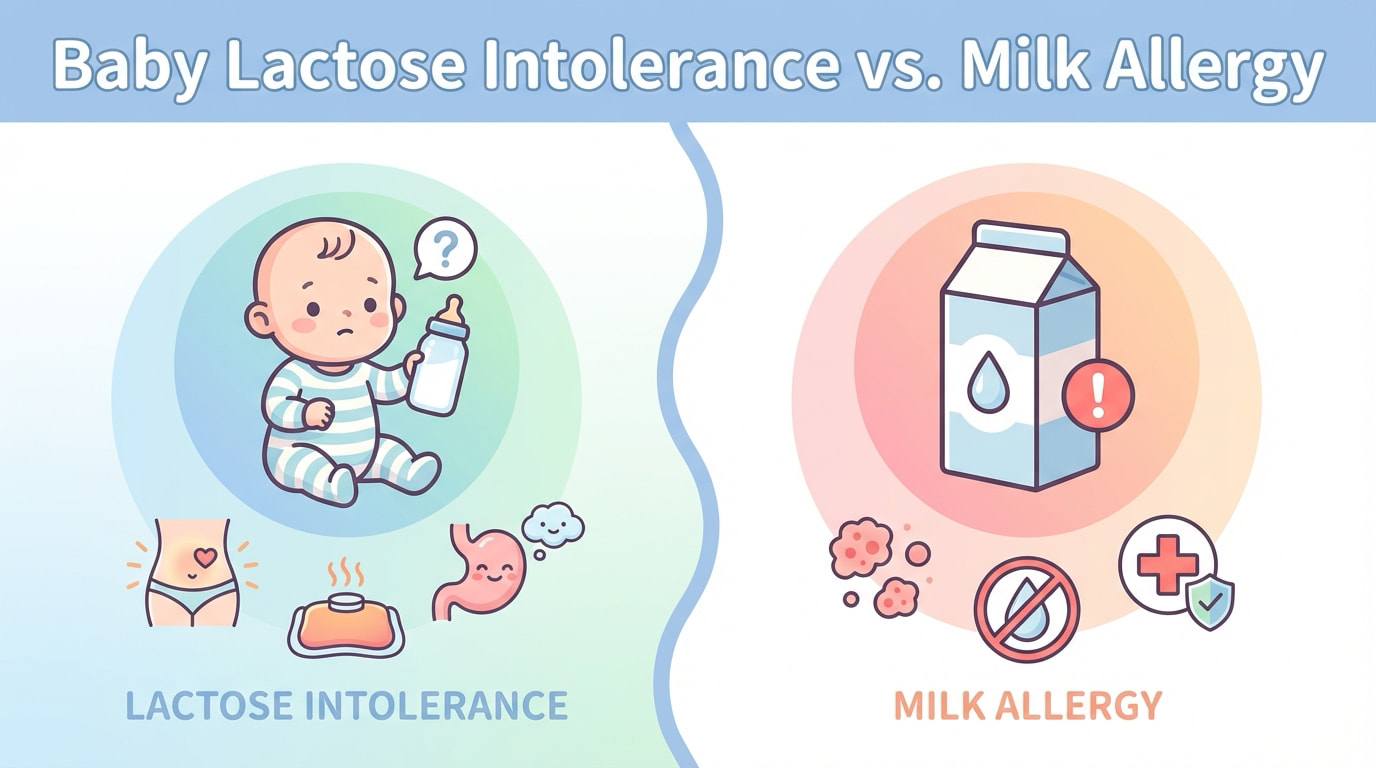
The key to understanding baby lactose intolerance vs. milk allergy is that an allergy is an immune reaction requiring total dairy elimination and often presents with skin rashes, respiratory issues, or blood in the stool, while lactose intolerance is a temporary digestive issue isolated to the gut that causes gas and acidic diarrhea.
Why is lactose important for babies? It serves as a biological masterpiece that fuels rapid physical growth, provides essential galactose for infant brain development, acts as a prebiotic to cultivate a healthy gut microbiome, and functions as a vital mineral magnet to enhance the absorption of calcium and iron for long-term health.
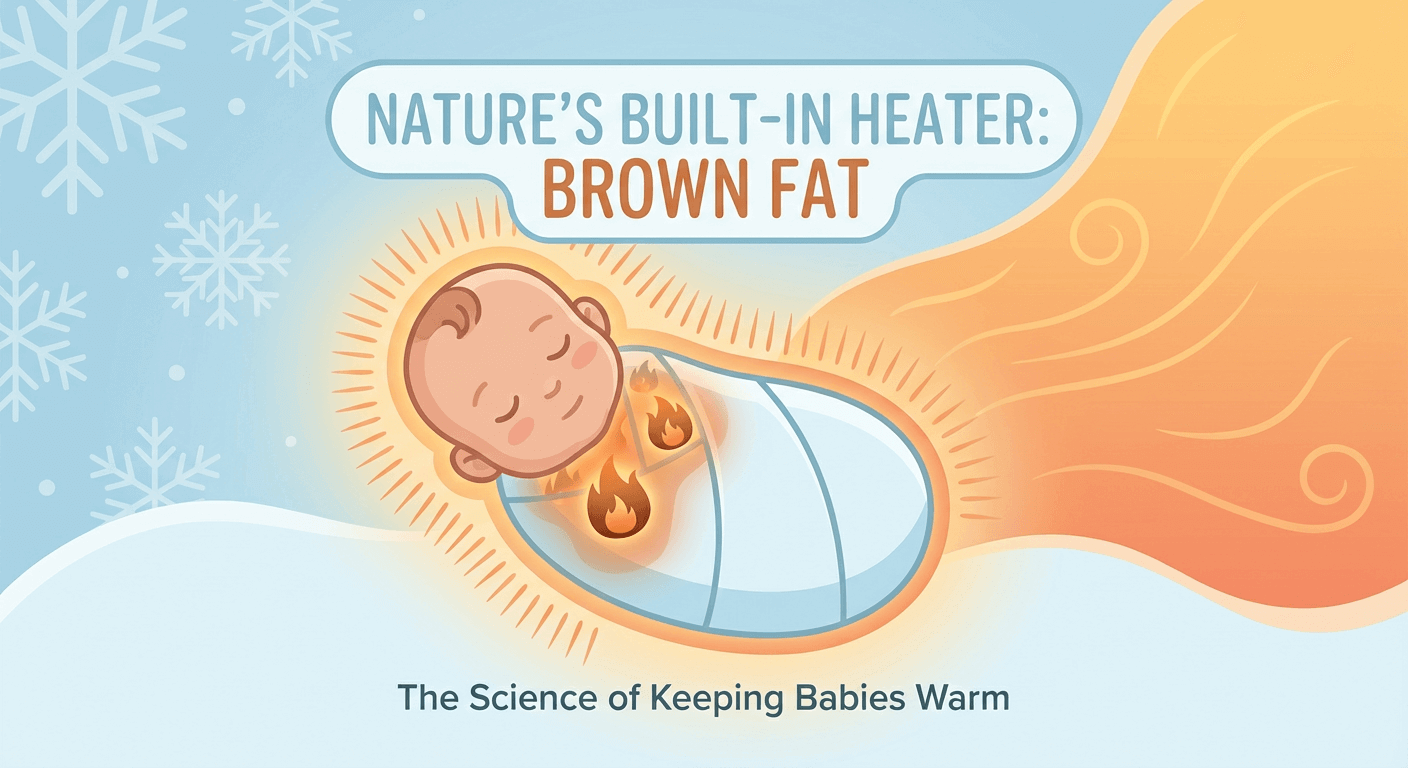
Brown fat in babies is a special type of tissue called brown adipose tissue (BAT) that burns calories to generate heat, acting as a built-in heater that keeps newborns warm when they can't yet shiver. Found around the neck, spine, and vital organs, this remarkable fat is essential for newborn temperature regulation and infant survival.

Baby acne represents one of many temporary conditions that may affect newborns as they adjust to life outside the womb. Despite its sometimes alarming appearance, this common condition typically resolves completely without intervention or lasting effects, requiring only gentle cleansing and patience from caregivers...

Complimentary US Shipping on Orders Over $79