

Infant mouthing is a vital, evolutionarily driven developmental milestone that serves as a baby's primary method for gathering sensory data, strengthening the complex oral muscles required for future speech, and calibrating their developing immune system, making it a behavior for parents to safely facilitate rather than fear.

Fluoride is a safe and effective way to help prevent tooth decay in infants and young children. It strengthens tooth enamel, supports remineralization, and lowers the risk of cavities. With age-appropriate use—such as a rice-grain-sized amount of fluoride toothpaste from the first tooth, supervised brushing, and professional fluoride varnish when needed—fluoride can play an important role in protecting baby teeth.

Baby bottle tooth decay (also called nursing bottle caries or early childhood caries from bottle use) is rapid tooth decay in infants and toddlers caused by prolonged exposure to sugary liquids like milk, formula, or juice—especially when babies fall asleep with a bottle, allowing sugars to pool on teeth overnight.
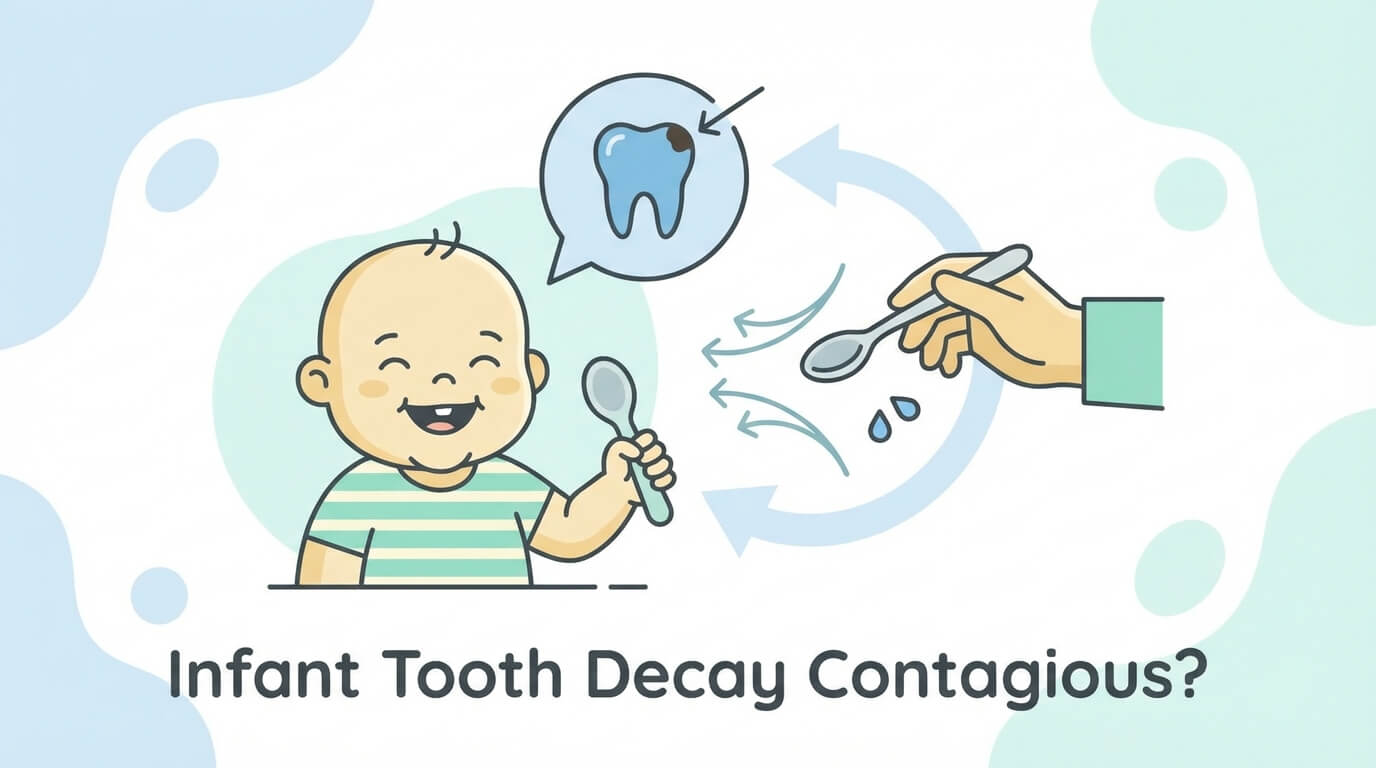
Is Infant Tooth Decay Contagious? Yes, infant tooth decay (early childhood caries) is an infectious disease spread by cavity-causing bacteria passed from parents or caregivers to babies through saliva, such as via lip kissing or sharing spoons. The good news: it’s highly preventable — keep your own mouth healthy, avoid saliva sharing, clean baby’s gums and teeth daily from birth, limit sugary bottles (especially at night), and see a pediatric dentist early (by age 1) to greatly reduce or eliminate the risk and keep your baby’s smile healthy.
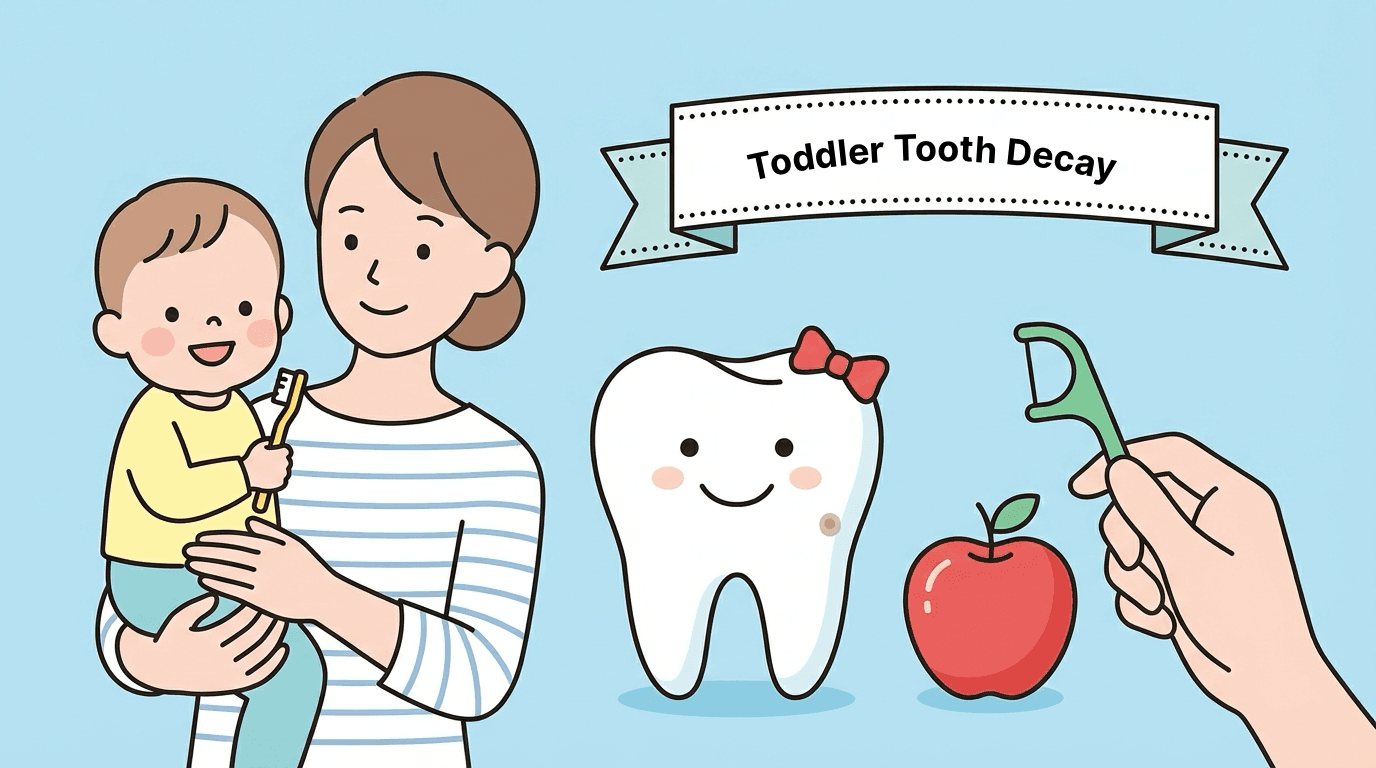
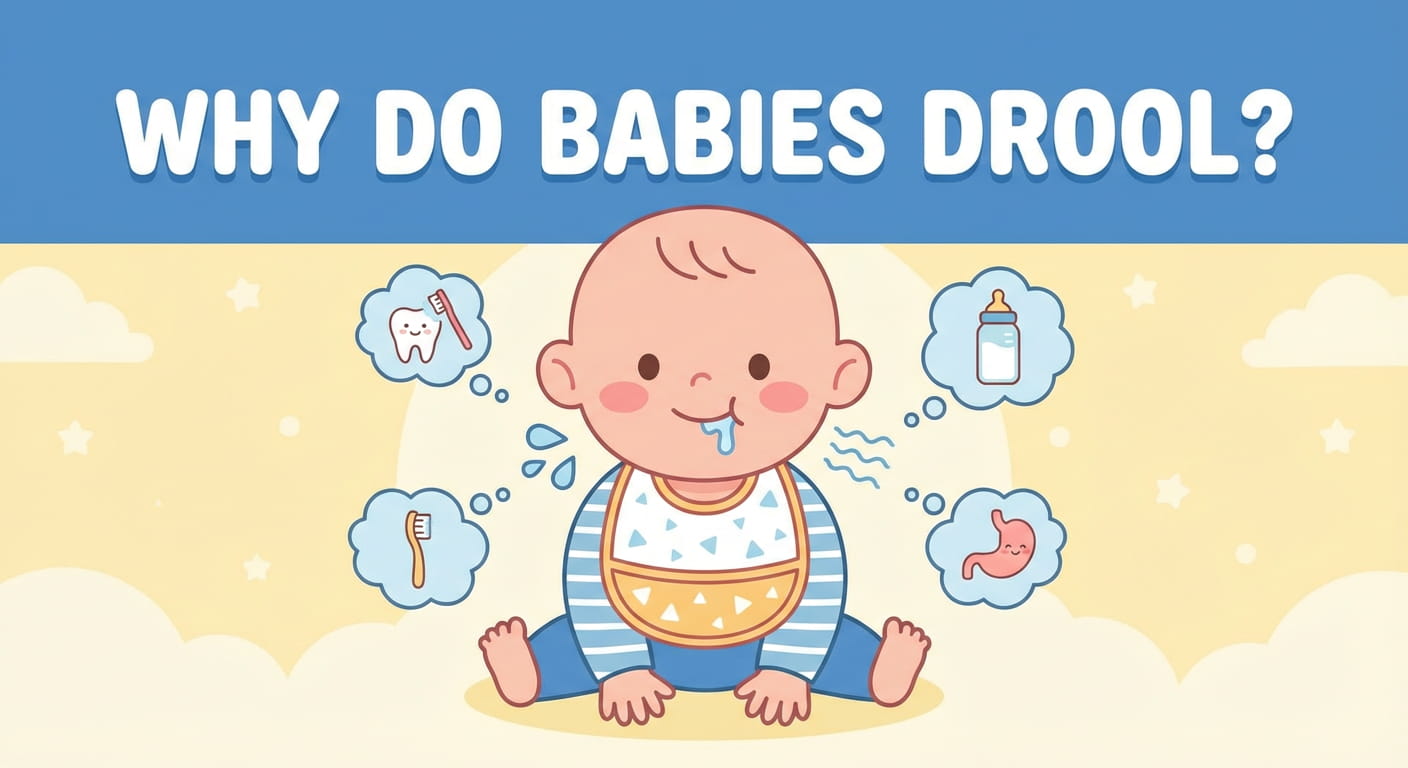
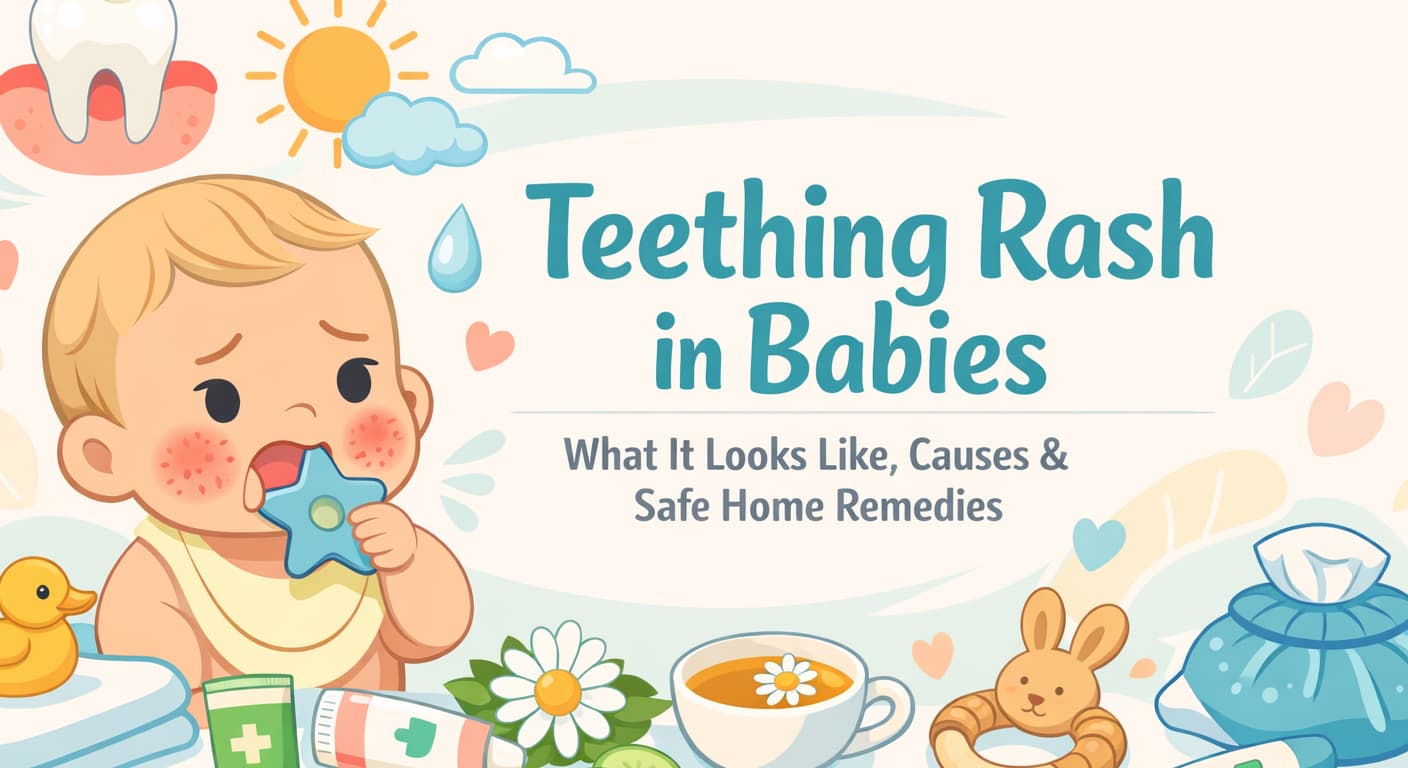
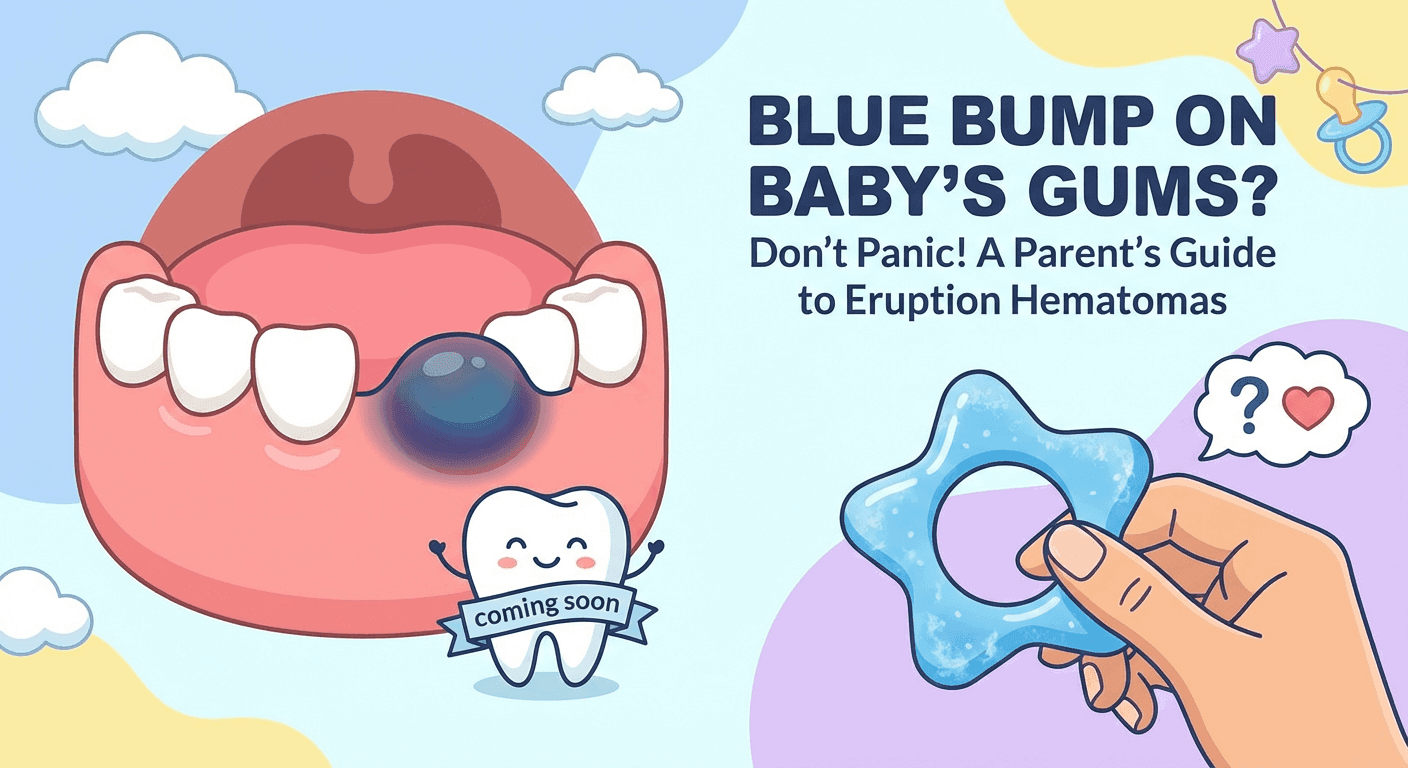
Seeing a dark, blue bump on baby gums can be alarming. In most cases, this purple bump on baby gums — or even a dark spot that looks nearly black — is a common and harmless condition known as an eruption hematoma, sometimes called a teething blood blister. Pediatric dentists encounter it almost daily. It is not an injury. It is not a disease. It is not caused by poor hygiene. It is, in the most accurate and reassuring terms possible, a tooth knocking on the door from the inside.
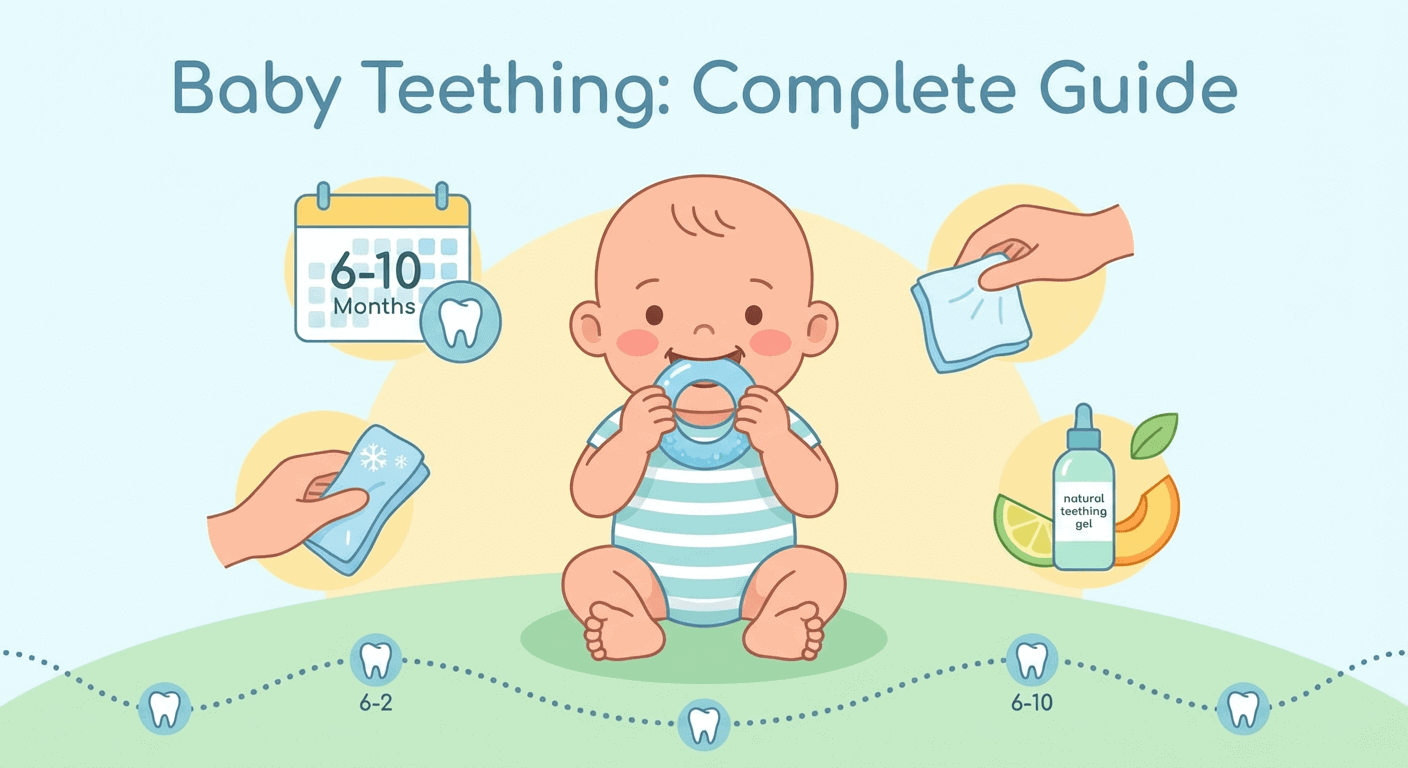
Navigating baby teething pain is one of early parenthood's most exhausting challenges, bringing sleepless nights and a clear need for safe, effective teething remedies. The exhaustion arrives not as a single dramatic blow, but as a slow, relentless accumulation of sleepless nights, inconsolable cries, and an unsettling sense of helplessness.

Responsive spoon-feeding is a feeding approach that follows your baby's cues — letting them set the pace, signal when they're ready for the next bite, and stop when they're full. Unlike traditional spoon-feeding where the caregiver is in control, this method puts the baby at the center, supporting the development of self-regulation, healthy eating habits, and a positive relationship with food from the very start.

Complimentary US Shipping on Orders Over $79