
Attachment Styles
The Impact of Parenting Styles on Children’s Attachment Styles
The way parents interact with their children during the early years has a profound impact on how these children form relationships later in life. This connection is explained by attachment theory, which describes the emotional bonds between individuals and the long-lasting implications of these early attachment patterns.
Understanding Attachment Styles
Attachment theory, originally formulated by John Bowlby and expanded upon by Mary Ainsworth, posits that the quality of early caregiving experiences profoundly shapes a child’s social, emotional, and cognitive development. This influential theory asserts that infants and young children develop an internal working model of relationships based on their interactions with primary caregivers, typically their parents. These early interactions set the stage for how individuals perceive and respond to relationships throughout their lives.
Beyond infancy and childhood, attachment theory has profound implications across the lifespan. It informs our understanding of how early experiences influence romantic relationships, friendships, and even parenting styles. Moreover, interventions based on attachment theory have been effective in therapeutic settings, helping individuals and families improve relational dynamics and emotional well-being.
The Four Attachment Styles
According to attachment theory, developed by psychologists John Bowlby and Mary Ainsworth, four primary attachment styles have been identified and are widely observed. Each of these styles is characterized by distinct behavioral patterns and key features.
Secure Attachment (approximately 55-65% of the population)
Securely attached individuals are comfortable with both intimacy and independence. They trust their partners and are skilled at maintaining a balance between closeness and autonomy. Emotionally, they effectively manage their feelings and are not hesitant to seek support when needed. In terms of relationships, they tend to form stable, satisfying bonds characterized by open and honest communication. Over the long term, secure attachment is associated with better mental health, higher self-esteem, and more fulfilling interpersonal relationships.
Anxious Attachment (approximately 20-25% of the population)
Characterized by a fear of abandonment, individuals with anxious attachment often seek constant reassurance and experience emotional intensity in relationships. They may struggle with emotional regulation, exhibiting heightened emotional reactivity and difficulty in self-soothing. Their relationship dynamics typically involve a preoccupation with maintaining closeness and seeking high levels of intimacy and approval. Long-term outcomes may include challenges such as anxiety, low self-esteem, and relationship instability.
Avoidant Attachment (approximately 20-25% of the population)
Those with avoidant attachment styles tend to feel discomfort with closeness, placing a high value on self-reliance and maintaining emotional distance in relationships. They often suppress or deny emotions, particularly negative ones, and may find intimacy challenging, prioritizing personal freedom over relational connection. In the long run, they may encounter difficulties in forming deep emotional bonds and may struggle to seek support when needed.
Disorganized Attachment (approximately 3-5% of the population)
This attachment style, observed in approximately 3-5% of the population, is characterized by conflicting behaviors in relationships. Individuals with disorganized attachment often struggle with regulating emotions, experiencing intense and unpredictable emotional responses. Their relationship dynamics can alternate between seeking closeness and pushing others away, leading to volatility in relationships. Long-term outcomes include a higher risk of mental health issues and ongoing challenges in forming stable and healthy relationships.
It’s important to note that these percentages can vary slightly across different populations and studies.
Different Parenting Styles and Their Impacts
Parental caregiving styles play a crucial role in shaping a child’s attachment style, which involves patterns of behavior, emotional responsiveness, and attitudes toward the child. Meanwhile, parents are influenced by their attachment style history, personal experiences, and beliefs, as well as cultural and societal factors, which lead to the formation of their diverse parenting approaches.
Responsive and Sensitive Parenting
Responsive and sensitive parenting involves consistently attending to and meeting a child’s needs, high emotional availability, and providing support. Parents in this style respond promptly to a child’s cries, foster closeness through intimate physical contact, and engage actively in verbal interactions. This approach typically promotes the development of secure attachment. Parents can also explore the Circle of Security approach for a broader framework. For example, responsive parents comfort their children quickly when they cry and actively engage in playful interactions.
Inconsistent or Unpredictable Parenting
Inconsistent or unpredictable parenting alternates between attention and neglect under the influence of parental emotions. It manifests as inconsistent responses to a child’s needs and unpredictable emotional availability. The emotional atmosphere may be unstable, fluctuating between warmth and aloofness. Children raised in such environments often develop anxious attachment styles. For instance, parents may display love and care one day but appear irritable and distant the next, leaving the child uncertain about what to expect.
Emotionally Distant or Rejecting Parenting
Emotionally distant or rejecting parenting shows indifference to a child’s emotional needs and emphasizes independence. Behaviors include limited physical affection and ignoring a child’s emotional expressions. The emotional atmosphere is typically detached or focused on meeting material needs. This parenting style often leads to children developing avoidant attachment. For example, parents may meet their child’s basic needs but engage minimally in emotional exchanges or offer comfort.
Terrorizing or Confusing Parenting
Terrorizing or confusing parenting involves unpredictable or potentially abusive behaviors, such as verbal or physical abuse, extreme neglect, or erratic behavior. The emotional atmosphere is often chaotic, terrifying, or perplexing. Children raised in such environments may develop disorganized attachments. For instance, parents might exhibit frightening behaviors due to severe mental illness or substance abuse, occasionally seeking comfort from the child, making it difficult for the child to adapt.
Impact of Caregiving Styles on Newborns (0-12 months)
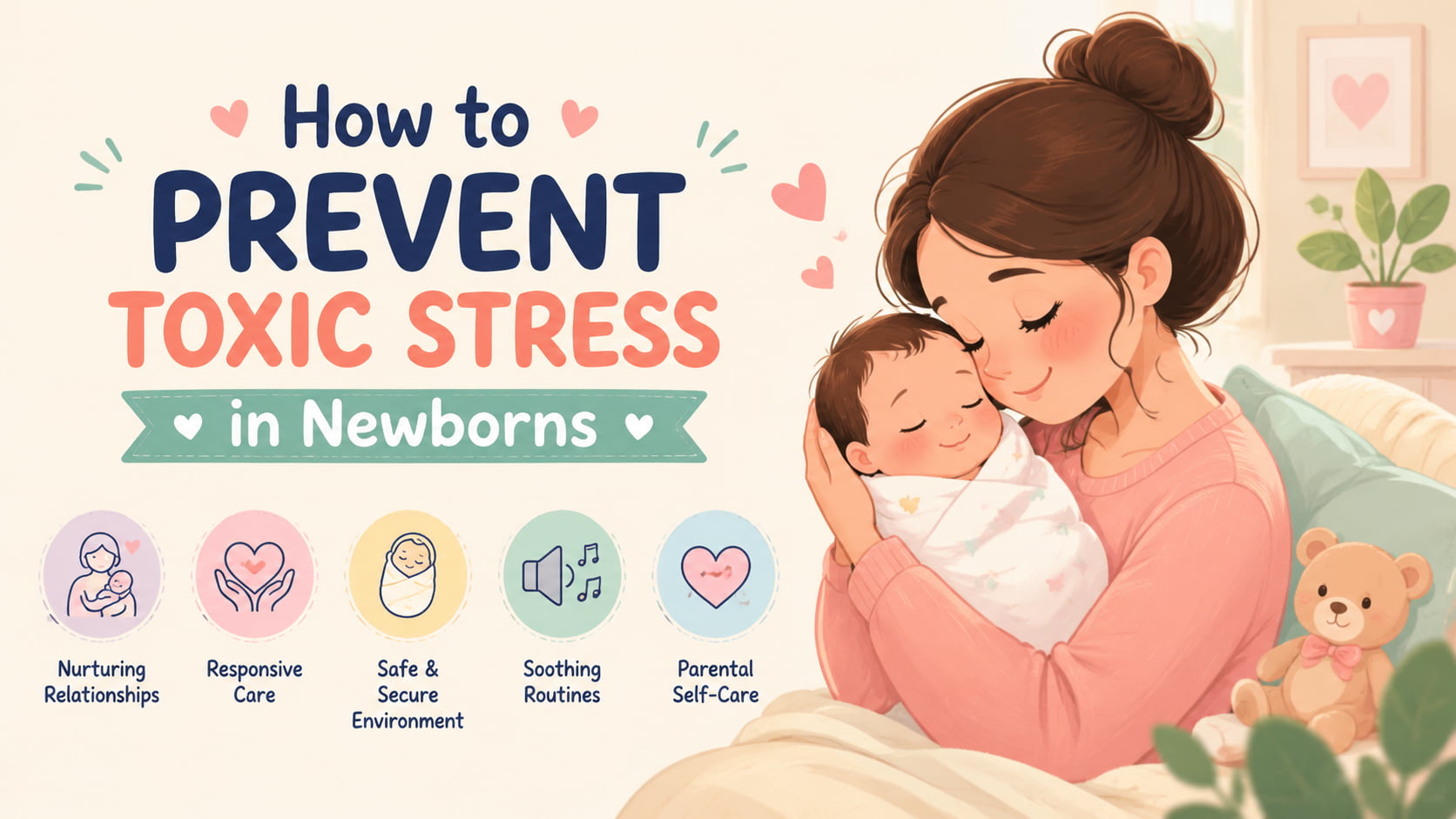
The first year of life is a crucial period for attachment formation, as infants are highly dependent on their caregivers and are rapidly developing both physically and psychologically. During this time, the impact of caregiving styles can have significant implications for an infant’s brain development, emotional regulation, trust and security, and social interaction patterns.
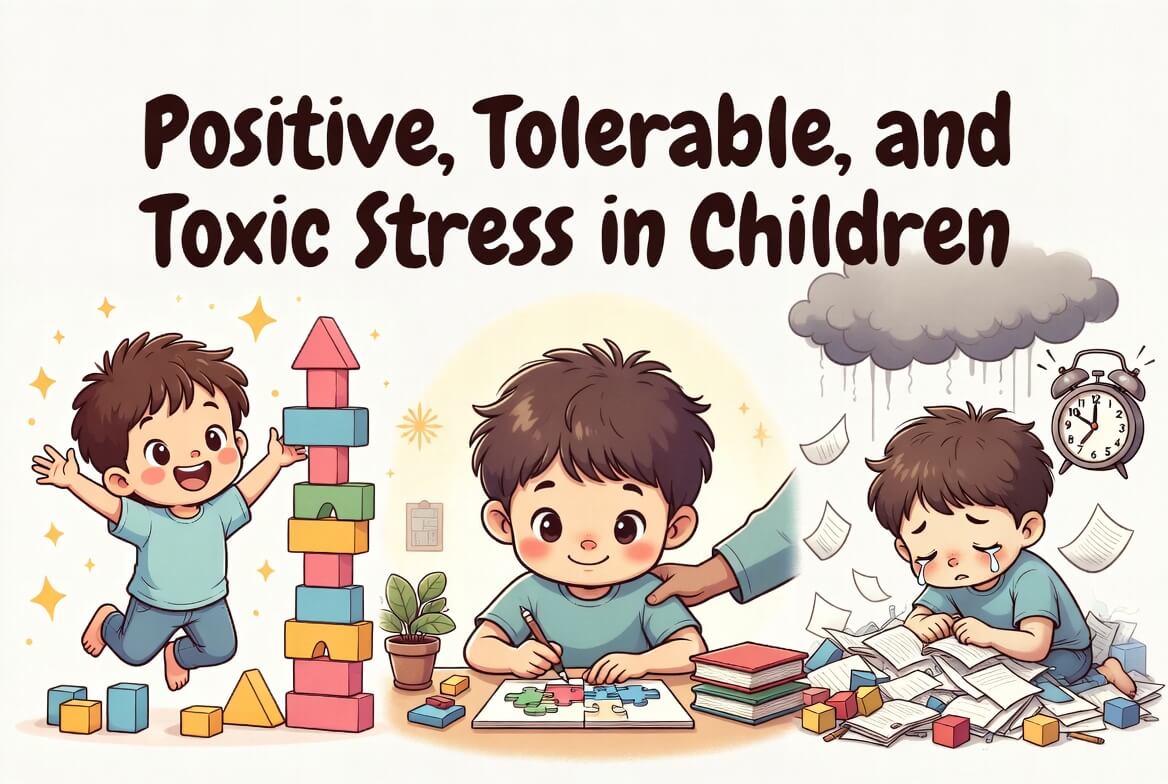
- Brain Development and Stress Response: Sensitive caregiving promotes healthy brain development, particularly in areas related to emotional regulation and social cognition. Research by Tottenham (2012) shows that responsive care helps develop optimal stress response systems, leading to better emotion regulation later in life. Conversely, chronic stress from inconsistent care can lead to an overactive stress response system, potentially affecting long-term stress management abilities. Studies using neuroimaging techniques have also shown that secure attachment is associated with healthier brain structure and function in areas related to emotional processing (Gander & Buchheim, 2015).
- Emotional Regulation: Responsive caregiving helps infants learn to self-soothe and regulate emotions through a process called “co-regulation,” where caregivers initially help regulate the infant’s emotions, gradually allowing the infant to develop these skills independently. Inconsistent care may result in difficulties with emotional regulation, as infants don’t receive consistent external support to develop these crucial skills. Research by Calkins and Hill (2007) demonstrates that early caregiving experiences significantly influence the development of emotional regulation strategies.
- Trust and Security: Consistent, loving care builds a sense of basic trust in the world, what Erik Erikson termed “basic trust vs. basic mistrust” in his stages of psychosocial development. Secure attachment in infancy is associated with higher levels of trust in adult relationships (Feeney & Noller, 1990). Conversely, unreliable care can lead to a fundamental sense of insecurity, potentially affecting future relationships and overall well-being.
- Social Interaction Patterns: Securely attached infants often show more positive social behaviors, such as smiling and vocalizing, and are generally easier to soothe. Insecurely attached infants may display more difficult temperaments, including excessive crying or difficulty being comforted. A study by Waters et al. (1979) found that securely attached infants were more sociable with strangers in the presence of their mothers, indicating greater confidence in exploring social interactions.
Long-term Effects on Later Attachment Styles
The attachment styles formed in early life can profoundly influence an individual’s interpersonal relationships, career, mental health, and general well-being. This includes romantic relationships, friendships and social networks, parenting styles, as well as career and professional relationships.
- Romantic Relationships: Adults with secure attachments typically have more satisfying, stable romantic relationships. They’re comfortable with intimacy and able to balance closeness with independence. In contrast, those with anxious attachment may struggle with fears of abandonment and may seek excessive reassurance from partners. Avoidantly attached adults often have difficulty with emotional intimacy and may prioritize independence over closeness.
- Friendships and Social Networks: In addition to romantic relationships, an individual’s attachment style can also influence their friendships and social networks. Secure individuals often have broader, more supportive social networks. They’re typically more skilled at maintaining long-term friendships. Anxiously attached individuals may have intense but sometimes unstable friendships, often worrying about the status of their relationships. Avoidantly attached people may have smaller social circles and may prioritize self-reliance over deep friendships.
- Parenting Styles: Attachment patterns tend to be transmitted intergenerationally, as parents often parent in ways similar to how they were parented. Adults with secure attachment are more likely to provide sensitive, responsive caregiving to their own children. Insecurely attached adults may struggle with consistent parenting, either being overly anxious about their children’s needs or having difficulty responding sensitively.
- Career and Professional Relationships: Secure attachment is associated with better job satisfaction, more positive work relationships, and greater career success. Anxiously attached individuals may struggle with workplace relationships and may have difficulty with authority figures. Avoidantly attached people might excel in independent work but may have challenges in team settings or leadership roles.
- Mental Health and Well-being: Secure attachment is generally associated with better mental health outcomes, including lower rates of depression and anxiety. Insecure attachment styles, particularly anxious and disorganized, are associated with a higher risk for various mental health issues.
- Coping and Resilience: Securely attached individuals typically have more effective coping strategies and greater resilience in the face of stress. Insecurely attached people may struggle more with stress management and may be more vulnerable to life’s challenges.
Factors That Can Modify Attachment Outcomes
While early attachment experiences are highly influential in shaping an individual’s interpersonal patterns, attachment styles are not necessarily fixed or immutable. There are several key factors that can help modify attachment outcomes over the course of a person’s life.
Resilience and Individual Differences
Some children demonstrate remarkable resilience and are able to develop secure attachment styles despite experiencing challenging or adverse early caregiving environments. This may be due to individual differences in temperament, cognitive abilities, or the presence of other supportive relationships outside the primary caregiver. Research has shown that factors such as high intelligence, an easygoing disposition, and the availability of alternative attachment figures can all contribute to the formation of secure attachment, even in the face of suboptimal early experiences.
Positive Experiences Outside the Family
In addition to individual resilience, positive experiences and relationships formed outside the family context can also help shape more secure attachment patterns. Supportive teachers, mentors, coaches, or other caregiving figures can provide children and adolescents with alternative sources of safety, comfort, and validation. These experiences can counterbalance the effects of insecure attachment with primary caregivers and help the individual develop a more balanced internal working model of relationships.
Therapy and Personal Growth
For those who have developed insecure attachment styles, psychotherapy, particularly attachment-based therapies, can be a powerful tool for modifying maladaptive relationship patterns. By exploring the roots of one’s attachment issues and practicing new ways of relating, individuals can gradually reshape their internal working models and learn to form more secure, fulfilling connections. Personal growth work, such as mindfulness practices and self-reflection, can also facilitate this process of attachment-related change.
Conscious Effort
Ultimately, an individual’s own awareness of their attachment style and a willingness to engage in intentional work on their relationship patterns can lead to positive changes. By gaining insight into how their early experiences have influenced their interpersonal behaviors and expectations, people can make conscious efforts to challenge and replace unhealthy relationship dynamics. This requires a high degree of self-awareness and a commitment to personal growth but can result in significant improvements in the quality of one’s relationships and overall well-being.
Practical Tips for Fostering Secure Attachment
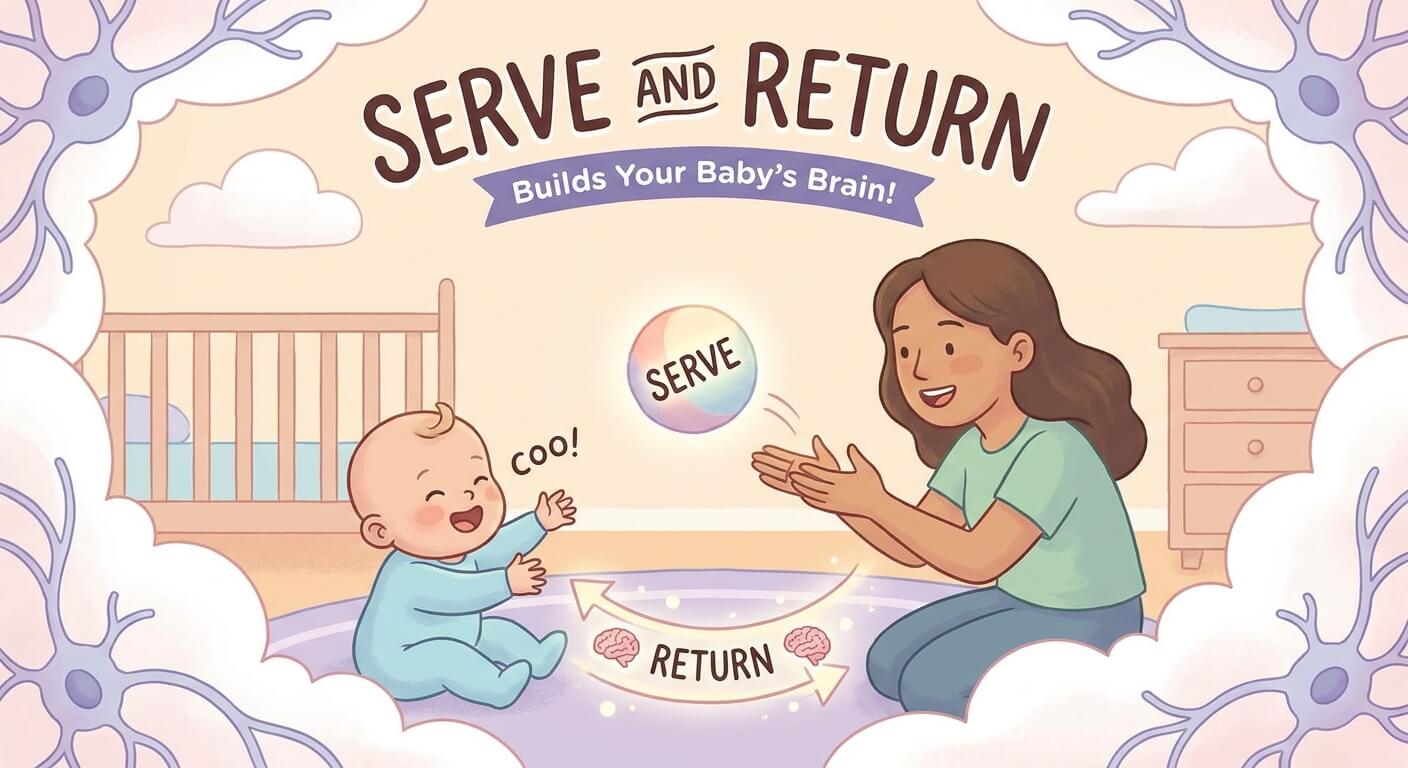
Given the significant impact that attachment styles can have on an individual’s well-being and relationships, it is important to consider ways in which secure attachment can be cultivated, particularly for those who may have experienced insecure attachment in their early years. By understanding and implementing certain practical strategies, caregivers, educators, and individuals themselves can work towards building healthier relationships. The serve-and-return interaction is one practical example of responsive connection, and trauma-informed parenting offers another perspective for families affected by adversity. developing more positive and fulfilling attachment bonds.
Responsive and Consistent Caregiving
- Promptly and appropriately respond to your child’s needs.
- Maintain consistency in your responses and routines.
- Practice “serve and return” interactions, responding to your child’s communication attempts.
Emotional Attunement and Validation
- Pay attention to your child’s emotions and validate their feelings.
- Help them name and understand their emotions.
- Model appropriate emotional expression and regulation.
Create a Safe and Nurturing Environment
- Provide physical and emotional safety.
- Offer comfort and support during times of distress.
- Create a home environment that is stable and predictable.
Balance Protection with Encouragement for Exploration
- Provide a secure base from which your child can explore.
- Encourage independence while offering support when needed.
- Praise efforts and attempts at new skills, not just successes.
Practice Self-Care and Seek Support
- Attend to your own emotional needs and mental health.
- Seek support from partners, family, friends, or professionals when needed.
- Reflect on your own attachment history and how it might influence your parenting.
Engage in Quality Time and Play
- Spend dedicated, undistracted time with your child daily.
- Engage in child-led play, following their interests and initiatives.
- Use physical touch, such as hugs and gentle play, to reinforce connection.
Conclusion
The impact of parental care styles on attachment in later childhood is profound and multifaceted. By understanding these patterns and their long-term effects, we can work towards fostering more secure attachments, which benefit children’s emotional, social, and cognitive development throughout their lives. It’s crucial to remember that while these findings represent general trends, individual experiences may vary. Attachment styles are not set in stone, and with positive interventions, meaningful changes can be achieved.
Sources & Further Reading:
October 25, 2026
October 25, 2026
October 25, 2026