
Secure Attachments
Consciously Helping Children Develop Secure Attachments
As parents, our ultimate goal is to raise happy, healthy, and well-adjusted children. We have previously discussed how parenting styles can influence children’s attachment types. Secure attachment has a profound impact on a child’s entire life. We should strive to cultivate secure attachment in our children.
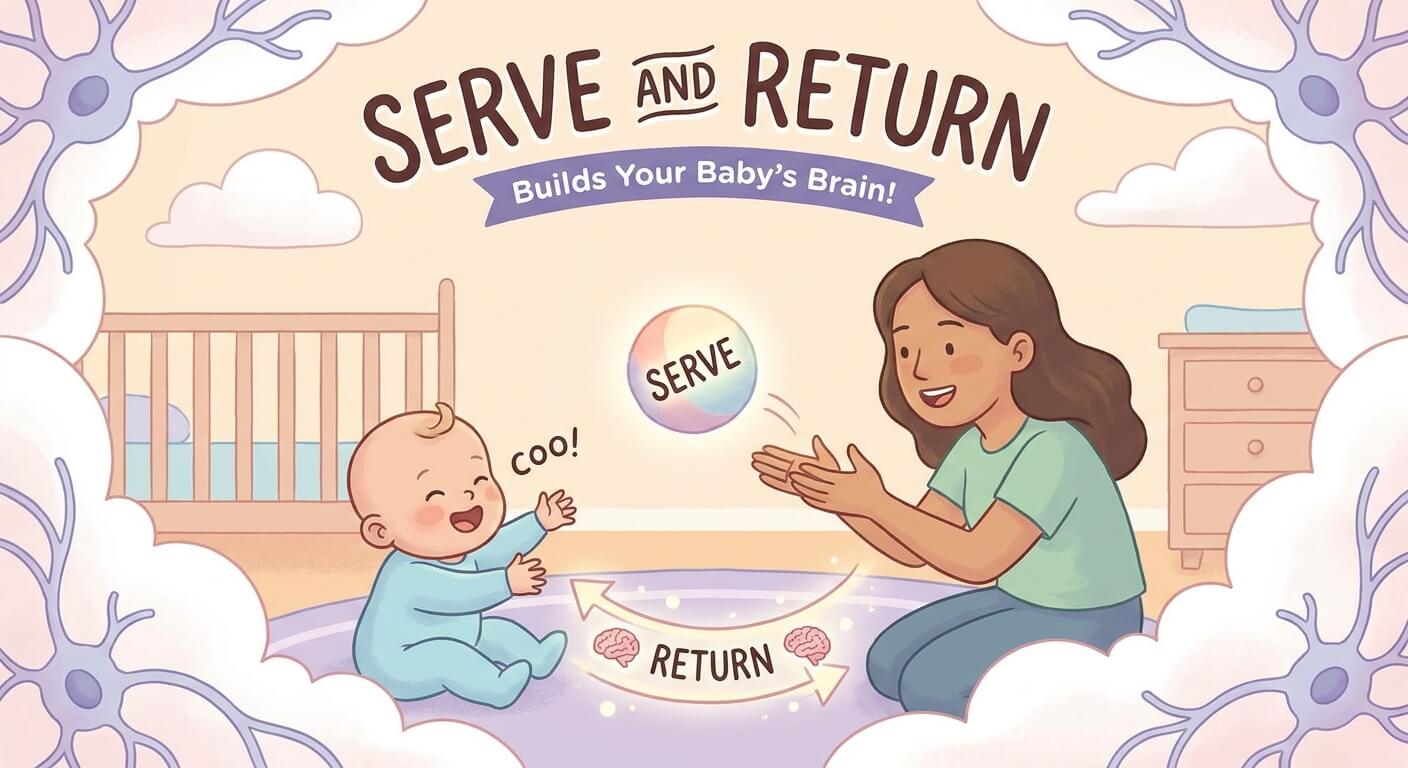
We’ve compiled some daily methods and parenting strategies to help children consciously develop a secure attachment relationship. We hope these approaches will provide helpful guidance for parents in nurturing this precious bond with their children. Parents can deepen this work by learning to read newborn cues and practicing responsive serve-and-return interactions. With patience and the right techniques, we can foster a strong, secure attachment that will benefit the child for their entire life.
Foundations of Secure Attachment
Consistent and responsive caregiving: Respond promptly and appropriately to your child’s needs. This doesn’t mean catering to every whim, but rather being attuned and responsive to genuine needs for comfort, food, or attention.
Emotional availability: Be present emotionally, not just physically. This means putting away distractions and focusing on your child during interactions.
Creating a safe home environment: Ensure your home is physically safe for exploration and emotionally secure, free from excessive conflict or stress.
Daily Methods to Foster Secure Attachment
Infancy (0-12 months)
Responsive feeding practices:
- Recognize early hunger cues like increased alertness, mouth movements, and hand-to-mouth activity.
- Maintain eye contact during feeding, switching arms for bottle-feeding to provide equal eye contact opportunities.
- Create positive feeding experiences by speaking softly, gently stroking your baby, and avoiding distractions.
Skin-to-skin contact:
- Practice kangaroo care, holding your naked baby against your bare chest for at least an hour daily.
- Continue this practice beyond the newborn stage, as it is comfortable for you and your baby.
Responding promptly to cries:
- Attend to your baby’s cries quickly to build trust and security.
- Learn to differentiate between types of cries (hunger, discomfort, tiredness) to respond appropriately.
Gentle physical touch and infant massage:
- Use gentle, loving touch during diaper changes, bathing, and playtime.
- Learn infant massage techniques to promote bonding and physical development.
Toddlerhood (1-3 years)
Consistent bedtime routines:
- Set a consistent bedtime and wake-up time.
- Establish a calming pre-bed routine (bath, story, cuddle time).
- Introduce a comfort object if desired.
Playful interactions:
- Engage in floor time, following your child’s lead in play.
- Introduce simple games that involve turn-taking and cooperation.
- Spend time exploring outdoors together, fostering a sense of adventure and shared discovery.
Supporting emerging independence:
- Offer choices within limits to support autonomy.
- Encourage self-help skills while providing support as needed.
- Praise efforts and attempts at independence.
Positive discipline techniques:
- Use redirection for young toddlers.
- Implement brief time-ins (staying with the child) rather than time-outs.
- Set clear, age-appropriate expectations and consequences.
Preschool and Early School Age (3-8 years)
Communication strategies:
- Practice active listening, giving full attention when your child speaks.
- Validate emotions: “I can see you’re feeling frustrated. That’s okay.”
- Use “I” statements to model clear communication: “I feel worried when you climb too high.”
- Encourage open dialogue with daily check-ins: “What was the best part of your day? The hardest part?”
Collaborative problem-solving:
- Involve children in finding solutions to conflicts or challenges.
- Use “what if” scenarios to practice problem-solving skills.
- Celebrate successful resolutions together.
Shared activities and responsibilities:
- Involve children in age-appropriate household tasks.
- Create family traditions and rituals (game nights, weekend breakfasts).
- Engage in shared hobbies or learning new skills together.
Physical affection appropriate to the child’s preferences:
- Respect your child’s comfort level with physical affection.
- Offer hugs, high-fives, or other forms of touch based on their preferences.
- Maintain physical connection through activities like snuggling while reading or gentle roughhousing.
Older Children and Pre-teens (9-12 years)
Respect for privacy and boundaries:
- Knock before entering their room and respect their personal space.
- Allow for age-appropriate privacy in communication and friendships.
- Discuss and establish clear boundaries around online activities.
Maintaining open lines of communication:
- Create regular one-on-one time for conversations without distractions.
- Use open-ended questions to encourage sharing: “How do you feel about…?”
- Listen without judgment and avoid immediate problem-solving unless requested.
Shared interests and activities:
- Find common ground in hobbies, sports, or entertainment.
- Attend their events or performances to show support and interest.
- Plan regular family activities that everyone enjoys.
Appropriate levels of autonomy:
- Gradually increase responsibilities and freedoms.
- Involve them in setting rules and consequences.
- Support their decision-making skills by discussing potential outcomes of choices.
Emotional Development
Teaching emotional vocabulary:
- Use emotion charts with faces to help children identify feelings.
- Read books about emotions and discuss characters’ feelings.
- Play emotion charades to practice recognizing and expressing emotions.
Modeling healthy emotional expression:
- Verbalize your feelings: “I’m feeling disappointed that our plans changed.”
- Demonstrate appropriate ways to handle frustration or anger.
- Apologize when you make mistakes in emotional regulation.
Co-regulation techniques:
- Use deep breathing exercises together during stressful moments.
- Employ the “name it to tame it” technique: Help your child label their emotion to reduce their intensity.
- Create a calming corner with sensory tools (stress balls, weighted blankets) for self-regulation.
Creating a safe space for all emotions:
- Avoid dismissing or minimizing your child’s feelings.
- Encourage the expression of all emotions, including difficult ones like anger or sadness.
- Help children find healthy ways to express and process their emotions.
Digital Age
Mindful use of screens:
- Set clear guidelines for screen time based on age and family values.
- Model healthy technology use yourself.
- Create tech-free times and zones in the home.
Using technology to maintain connection:
- Use video calls to stay connected during separations.
- Share photos or messages throughout the day when apart.
- Engage in digital activities together, like online games or learning apps.
Balancing virtual and in-person interactions:
- Prioritize face-to-face time over digital communication when possible.
- Encourage offline social interactions and activities.
- Discuss the importance of balance in digital and real-world relationships.
Digital safety and attachment:
- Teach online safety skills appropriate to your child’s age.
- Stay involved in your child’s online activities.
- Foster open communication about online experiences and concerns.
Positive Discipline
Authoritative parenting style:
- Balance warmth and nurturing with clear, consistent boundaries.
- Explain the reasons behind rules and expectations.
- Be firm but loving in enforcing consequences.
Positive discipline approaches:
- Focus on teaching and guiding rather than punishing.
- Use natural and logical consequences when possible.
- Praise effort and improvement, not just results.
Balancing nurture and structure:
- Provide both emotional support and clear expectations.
- Adjust your approach based on the child’s age and temperament.
- Be flexible while maintaining consistent core values and rules.
Mindful parenting techniques:
- Practice being present in the moment with your child.
- Pause before reacting to challenging behaviors.
- Regularly reflect on your parenting goals and adjust as needed.
Separation and reunion
Preparing for separations:
- Explain what will happen and when you’ll return.
- Create a goodbye ritual to ease transitions.
- Maintaining connection during absences.
- Leave notes or small reminders of your love.
- For longer separations, schedule regular check-ins.
Positive reunion rituals:
- Greet your child warmly and give them your full attention upon return.
- Allow time for reconnection before jumping into routines or tasks.
Family transitions (moves, new siblings, divorce):
- Maintain routines as much as possible during transitions.
- Involve children in age-appropriate ways in the changes.
- Provide extra reassurance and one-on-one time during upheavals.
Self-Care for Parents
Importance of parental well-being for secure attachment:
- Recognize that your emotional state impacts your child.
- Prioritize your own mental and physical health.
- Model self-care for your children.
Stress management techniques:
- Practice mindfulness or meditation.
- Engage in regular physical exercise.
- Pursue hobbies or interests outside of parenting.
Building a support network:
- Connect with other parents for support and advice.
- Utilize family members or trusted friends for help.
- Consider joining parent support groups or classes.
Addressing parental attachment issues:
- Reflect on your attachment history and patterns.
- Seek therapy or counseling if needed to work through personal attachment challenges.
- Be patient with yourself as you learn and grow as a parent.
Monitoring and Assessing
Signs of secure attachment at different ages:
- Infants: Seek comfort from caregivers, and are easily soothed.
- Toddlers: Use the caregiver as a secure base for exploration.
- School-age: Share feelings openly, and seek help when needed.
- Teens: Maintain communication while seeking independence.
Red flags for attachment issues:
- Persistent difficulty being soothed or comforted.
- Extreme clinginess or apparent lack of attachment to caregivers.
- Indiscriminate friendliness with strangers.
- Inability to regulate emotions appropriate to age.
When and how to seek professional help:
- Consult with a pediatrician or family doctor for initial concerns.
- Consider evaluation by a child psychologist or attachment specialist.
- Look for professionals trained in attachment-based therapies.
Attachment-based interventions:
- Parent-Child Interaction Therapy (PCIT)
- Circle of Security program
- Theraplay techniques
- Family therapy focuses on attachment
Practical Tools and Resources
Recommended reading:
- “The Whole-Brain Child” by Daniel J. Siegel and Tina Payne Bryson
- “Attached” by Amir Levine and Rachel Heller
- “The Power of Showing Up” by Daniel J. Siegel and Tina Payne Bryson
- “Parenting from the Inside Out” by Daniel J. Siegel and Mary Hartzell
Conclusion
Fostering secure attachment is a journey that requires patience, consistency, and self-reflection. By implementing some positive strategies, we as parents can create a foundation of emotional security that will benefit our children throughout their lives Remember that every positive interaction contributes to building a secure attachment, and it’s never too late to improve the parent-child bond. As we navigate the challenges and joys of parenting, let us hold onto the vision of raising emotionally resilient individuals, capable of forming healthy relationships, and equipped to thrive in an ever-changing world.
Sources & Further Reading:

October 25, 2026
October 25, 2026

October 25, 2026