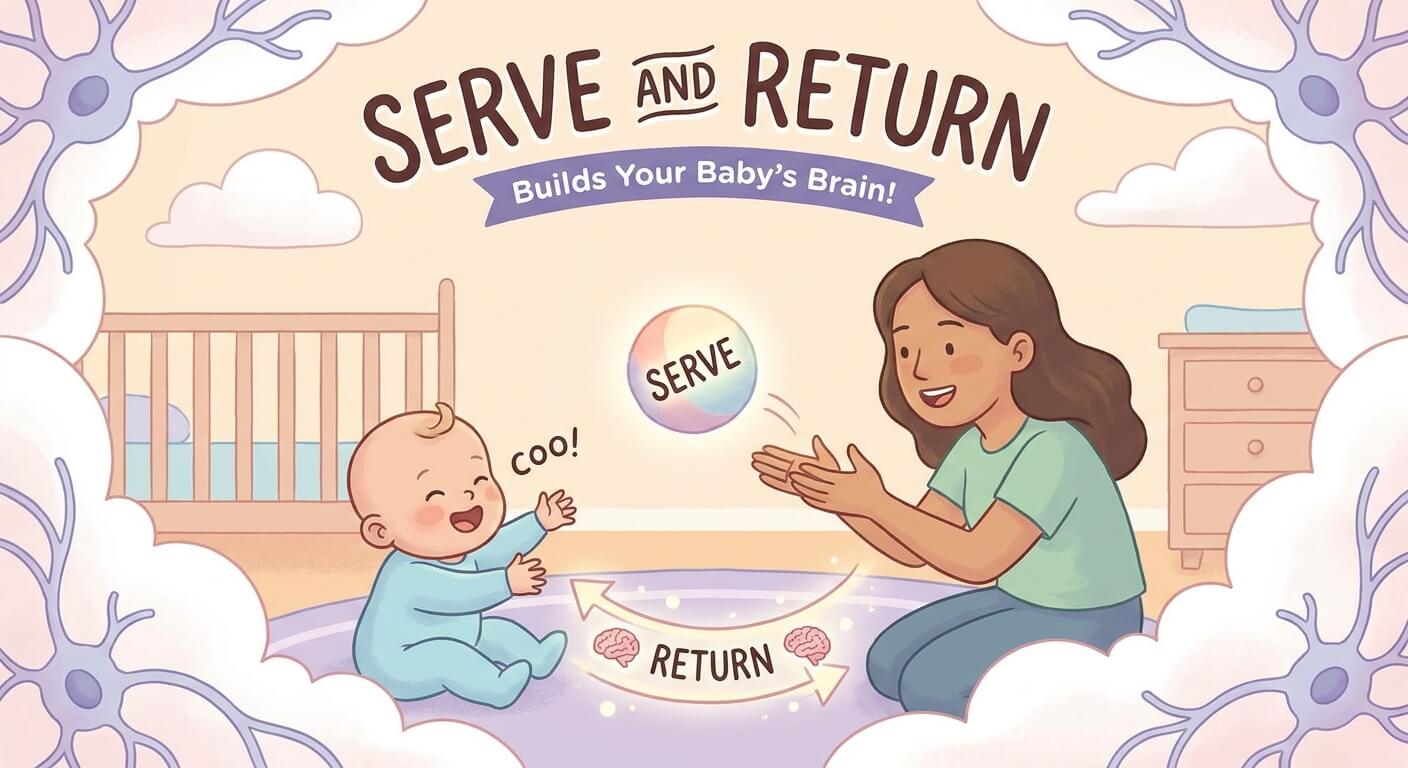

Kangaroo care, a method of caring for newborns through skin-to-skin contact, has revolutionized neonatal care since its inception in 1978. Developed by Dr. Edgar Rey Sanabria in Bogotá, Colombia, this technique was initially a response to overcrowding and lack of incubators in hospitals. Named after the way marsupials carry their young, kangaroo care involves placing a diaper-clad infant vertically on a parent’s bare chest.
This simple yet profound practice harnesses the natural warmth and nurturing instincts of parents to provide a host of benefits for newborns, particularly those born prematurely or with low birth weight. By mimicking the womb environment, kangaroo care offers a gentle transition to the outside world, supporting the baby’s physical and emotional development in ways that traditional incubator care cannot match.
The Science Behind Kangaroo Care
Physiological Benefits for the Baby
Temperature Regulation
A 2016 study published in Acta Paediatrica found that skin-to-skin contact was more effective than incubators in regulating a newborn’s body temperature. This remarkable ability stems from the parent’s body acting as a natural thermostat. When the baby is cool, the parent’s chest temperature increases to warm them. Conversely, when the baby is warm, the parent’s temperature decreases to cool them.
This unique synchronization between parent and infant demonstrates the body’s innate capacity to respond to the newborn’s needs, providing a stable thermal environment crucial for the baby’s physiological processes. A stable body temperature is essential for newborns, especially premature infants, as it supports optimal metabolic function, reduces energy expenditure, and promotes growth.
Heart Rate and Breathing Stabilization
Research has consistently shown that preterm infants receiving kangaroo care have more stable heart rates and fewer episodes of irregular breathing compared to those in incubators. This stabilization occurs because the close contact allows the baby to synchronize their heartbeat and breathing with the parents.
The parent’s steady heartbeat and rhythmic breathing serve as a guide for the infant’s developing systems, helping to regulate these vital functions. This synchronization not only reduces stress on the baby’s cardiovascular and respiratory systems but also promotes more efficient oxygen use and energy conservation, which are critical for growth and development in premature infants. The improved stability in these vital signs can lead to faster weight gain, earlier discharge from the hospital, and better overall health outcomes.
Pain Reduction
A comprehensive review published in Pediatrics in 2016 concluded that skin-to-skin contact significantly reduced pain responses in infants during medical procedures. This pain-reducing effect is attributed to several factors:
- The close contact triggers the release of oxytocin, often called the “love hormone,” which has natural pain-relieving properties.
- The warmth and comfort of skin-to-skin contact activate the baby’s sensory nerves, which can help block pain signals.
- The familiar scent and sound of the parent have a calming effect, reducing the infant’s stress response to painful stimuli.
This natural pain management technique not only provides immediate comfort but also helps protect the developing nervous system from the potentially harmful effects of repeated pain exposure. For premature infants who often undergo multiple medical procedures, this pain reduction can have significant long-term benefits for their neurological development and pain sensitivity.
Psychological Benefits for the Baby
Stress Reduction
Studies have found that infants who received kangaroo care had lower stress levels, as indicated by decreased cortisol levels in their saliva. This stress reduction occurs through multiple mechanisms:
- The close physical contact promotes the release of oxytocin and endorphins, which have calming effects.
- The familiar heartbeat, voice, and scent of the parent create a sense of security for the baby, mimicking the womb environment.
- The constant warmth and gentle pressure of skin-to-skin contact have a soothing effect on the infant’s nervous system.
This reduction in stress is crucial for premature infants, as high-stress levels can interfere with growth, immune function, and brain development. By creating a low-stress environment, kangaroo care supports the baby’s overall health and development, potentially leading to better long-term outcomes in terms of behavior, emotional regulation, and cognitive function.
Improved Sleep Patterns
Research has shown that premature infants who received kangaroo care had more organized sleep-wake cycles, with benefits persisting into childhood. This improvement in sleep quality is largely due to the regulation of the baby’s circadian rhythms. The close contact during kangaroo care exposes the infant to the parent’s daily rhythm of activity and rest, helping to establish their own sleep-wake cycle.
Better sleep quality is essential for brain development, memory consolidation, and overall growth. During sleep, infants process and integrate sensory information, consolidate memories, and undergo critical periods of brain growth. The long-term persistence of these benefits suggests that early kangaroo care can have lasting effects on a child’s neurological development and sleep health, potentially influencing cognitive function, behavior, and overall well-being as they grow.
Enhanced Brain Development
A groundbreaking study using electroencephalography (EEG) demonstrated that preterm infants who received kangaroo care had more mature brain functioning at term-equivalent age than those who didn’t. This enhanced brain development is attributed to several factors:
- The skin-to-skin contact stimulates the baby’s senses, promoting neural connections.
The stable physiological state achieved during kangaroo care allows more energy to be directed towards brain growth. - The reduction in stress hormones creates an optimal environment for brain development.
The varied sensory experiences during kangaroo care (touch, smell, sound) stimulate multiple areas of the brain simultaneously.
These factors combine to support more robust brain maturation, potentially leading to better cognitive outcomes in the long term. The enhanced brain development observed in infants receiving kangaroo care may translate to improved cognitive function, better emotional regulation, and enhanced learning abilities as the child grows.
Note: While often associated with premature infants, kangaroo care offers significant benefits for full-term babies as well.
Benefits for the Parents
Kangaroo care has been shown to promote bonding and attachment, reduce parental stress and anxiety, and increase parents’ confidence in caring for their babies.
Bonding and Attachment
The close physical contact during kangaroo care triggers the release of oxytocin in both parent and baby. This hormone promotes feelings of love and connection, strengthening the emotional bond. The extended periods of close contact also allow parents to become more attuned to their baby’s cues and needs, fostering a deeper understanding and connection.
This enhanced bonding can have long-lasting effects on the parent-child relationship, potentially influencing the child’s social and emotional development throughout life. For parents who may feel disconnected from their baby due to premature birth or medical complications, kangaroo care provides a powerful way to establish and strengthen their bond.
Stress Reduction
For parents, especially those with babies in the NICU, kangaroo care can significantly reduce stress and anxiety. The act of holding and caring for their baby gives parents a sense of control and involvement in their child’s care. The skin-to-skin contact also triggers hormonal responses that reduce stress and promote feelings of calm and well-being.
Increased Confidence
As parents spend more time in close contact with their babies, they become more adept at reading their cues and meeting their needs. This increased understanding leads to greater confidence in their parenting abilities. For mothers, kangaroo care can also support milk production and improve breastfeeding success, further boosting their confidence in their ability to care for their baby.
The increased confidence gained through kangaroo care can have a ripple effect, positively influencing other aspects of childcare and potentially leading to better overall outcomes for both parent and child.
How to Perform Kangaroo Care
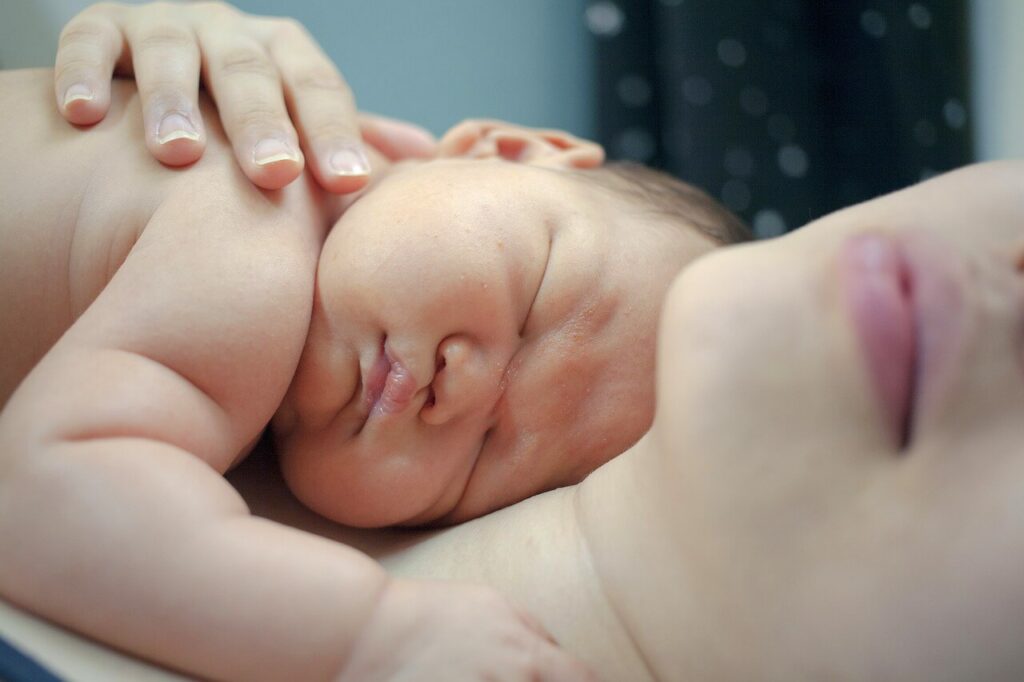
Preparation
Proper preparation is crucial for effective and safe kangaroo care. The World Health Organization recommends the following:
- The baby should wear only a diaper and possibly a cap to prevent heat loss from the head.
- The parent should wear a front-opening shirt or hospital gown to allow direct skin-to-skin contact.
- The environment should be quiet and comfortably warm, ideally between 22-24°C (71.6-75.2°F).
It’s also important to ensure that all necessary items (e.g., diapers, and blankets) are within reach before starting the session to minimize disruptions. Parents should be in a comfortable position, either sitting in a reclining chair or lying in bed with their heads elevated.
Step-by-Step Guide
- Positioning the Baby
- Place the baby vertically on the parent’s chest, between the breasts if the mother is providing care.
- The baby’s head should be turned to one side and slightly extended to keep the airway open.
- The baby’s neck should be straight, not flexed or hyperextended.
- The baby’s hips should be flexed and legs spread in a “frog-like” position.
- The baby’s arms should be flexed and close to their body.
- A blanket can be placed over the baby’s back for warmth, ensuring it doesn’t cover the face.
This position allows for optimal skin-to-skin contact while ensuring the baby can breathe easily and maintain a stable body temperature.
- Duration and Frequency
The World Health Organization recommends that kangaroo care sessions should last at least 60 minutes to avoid too frequent disruption for the baby. This duration allows the baby to complete a full sleep cycle and maximizes the benefits of the practice.
Kangaroo care can be provided as often as possible, even continuously in some cases. In NICUs that practice continuous kangaroo care, parents take turns providing skin-to-skin contact 24 hours a day. However, even shorter, regular sessions can provide significant benefits.
The frequency and duration may need to be adjusted based on the baby’s medical condition and the parents’ availability. It’s important to work with healthcare providers to determine the optimal schedule for each individual case.
Safety Considerations
- The parent should remain awake and alert during kangaroo care to monitor the baby’s position and breathing.
- The baby’s face should always be visible and the nose and mouth unobstructed.
- The baby should be secured with a wrap or blanket to prevent sliding or falling, especially if the parent plans to move around.
- If the parent feels sleepy, they should return the baby to their crib or bassinet.
- Medical equipment and monitors should be properly arranged to allow for kangaroo care without compromising the baby’s medical care.
Special Considerations for Premature Babies
For premature infants, kangaroo care should be initiated under medical supervision. Research has found that kangaroo care in stable preterm infants was associated with reduced mortality and morbidity.
The baby should be medically stable before starting kangaroo care. This typically means they have stable vital signs and don’t require significant respiratory support.
Transfer of the baby from the incubator to the parent should be done carefully, often with the assistance of nursing staff.
Monitoring of vital signs should continue during kangaroo care sessions.
The duration and frequency of sessions may need to be increased gradually as the baby becomes more stable.
Parents should be educated on signs of stress or instability in their premature infant and know when to alert medical staff.
Evidence-Based Research on Kangaroo Care
Short-Term Effects
A comprehensive meta-analysis published in Pediatrics in 2016, reviewing 124 studies, found significant short-term benefits of kangaroo care:
- Improved Vital Signs: Infants receiving kangaroo care showed more stable heart rates, respiratory rates, and oxygen saturation levels. This stability is crucial for premature infants whose organ systems are still developing.
- Better Weight Gain: Low birth weight infants experienced improved weight gain when receiving kangaroo care. This is likely due to the reduced energy expenditure in maintaining body temperature and the promotion of more effective feeding patterns.
- Reduced Risk of Infections: The skin-to-skin contact promotes colonization of the baby’s skin with the parent’s beneficial bacteria, potentially reducing the risk of hospital-acquired infections.
- Shorter Hospital Stays: Babies receiving kangaroo care had significantly shorter hospital stays compared to those receiving conventional care. This not only benefits the baby but also reduces healthcare costs.
Long-Term Effects
- Cognitive Development: A 20-year follow-up study published in Pediatrics in 2017 found that adults who received kangaroo care as premature infants showed better cognitive functioning, particularly in memory and executive function tasks.
- Social-Emotional Development: The same study found that kangaroo care recipients showed reduced aggressiveness and hyperactivity in young adulthood, suggesting long-term benefits for social-emotional development.
- Physical Growth: A study published in Acta Paediatrica in 2016 found that children who received kangaroo care as infants had catch-up growth similar to that of full-term infants by age 5-7 years.
- Parent-Child Bonding: Research has shown that the early bonding facilitated by kangaroo care can have lasting effects on parent-child relationships, with benefits observed well into childhood and adolescence.
- Stress Responsivity: A study in Biological Psychiatry (2014) found that adolescents who received kangaroo care as preterm infants showed lower stress responses, suggesting long-term benefits for stress regulation.
Conclusion
Kangaroo care represents a profound yet simple intervention that harnesses the power of human touch and connection to support infant development. For a wider look at how early contact supports relationships, see secure attachment. From its humble beginnings as a solution to overcrowded hospitals, it has evolved into a scientifically-backed practice with wide-ranging benefits for both babies and parents.
The evidence supporting kangaroo care is robust and growing. From immediate physiological benefits like improved temperature regulation and vital sign stability to long-term cognitive and emotional advantages, the impact of this practice is far-reaching. Moreover, the benefits extend beyond the infant to the parents, fostering stronger bonds and increasing parental confidence. This skin-to-skin practice also connects with the Golden Hour after birth and the protective newborn cocoon phase.
Sources & Further Reading:

October 25, 2026

October 25, 2026

October 25, 2026