
The First Contact with Your Newborn
What Makes the First Skin-to-Skin Contact with Your Newborn the ‘Golden Hour’?
The moment you first hold your newborn is a profound experience that marks the beginning of a lifelong journey. This initial contact, often referred to as bonding, is crucial for both parent and child. As renowned pediatrician Dr. William Sears notes, “The first hours after birth are a sensitive period when mothers and babies are uniquely primed to want to be together.”
The Origins of Infant Bonding Theory
The concept of infant bonding gained prominence in the 1970s, largely due to the groundbreaking work of pediatricians John Kennell and Marshall Klaus. Their research, published in 1976, suggested that there was a critical period immediately after birth during which mother-infant bonding needed to occur for optimal development.
While later studies have shown that bonding is more of a gradual process than a single critical moment, the importance of early contact remains widely recognized. The World Health Organization (WHO) and UNICEF’s Baby-Friendly Hospital Initiative, launched in 1991, further popularized practices like immediate skin-to-skin contact and early initiation of breastfeeding.
Dr. Nils Bergman, a pioneer in kangaroo mother care, explains, “The mother’s body is the baby’s natural habitat. The physiology of both mother and baby work best when they are together.” This understanding has led to significant changes in postpartum care practices worldwide. For connected feeding and bonding guidance, see the importance of breastfeeding and secure attachment.
Preparing for the First Contact
Understanding the “Golden Hour”
The term “Golden Hour” originates from trauma medicine, where it refers to the critical first hour after injury. In the context of childbirth, it describes the first hour after birth when mother and baby are uniquely primed for bonding.
Dr. Raylene Phillips, a neonatologist and breastfeeding specialist, states, “The hour immediately after birth is a once-in-a-lifetime experience. Both mother and baby are imprinted on each other in ways that we are only beginning to understand.”
During this time:
- Babies are typically very alert and responsive
- Mothers experience a surge of oxytocin, promoting bonding and milk production
- The baby’s sucking reflex is at its strongest
Creating a Calm Environment
A peaceful atmosphere can enhance the bonding experience. Consider:
- Dimming lights
- Minimizing noise
- Limiting the number of people in the room
Dr. Michel Odent, a French obstetrician, emphasizes, “The newborn baby has only three basic needs. These are warmth, food, and love. A quiet, dimly lit environment helps meet these needs more easily.”
Benefits for the Baby
During the Golden Hour, newborns experience essential advantages that support their early development. The following benefits highlight how skin-to-skin contact with their mother plays a vital role in keeping babies warm and stabilizing their vital signs.
- Keeping Warm: When a newborn is placed on the mother’s chest, her body helps regulate the baby’s temperature naturally. This skin-to-skin contact ensures the baby stays warm, reducing the risk of hypothermia.
- Stabilizing Vital Signs: The baby’s heart rate and breathing can become more regular when lying on the mother’s chest. The familiar sound of the mother’s heartbeat and breathing can have a calming effect on the baby.
- Bonding: Skin-to-skin contact releases oxytocin, the “love hormone,” which strengthens the emotional bond between mother and baby. This early bonding is crucial for the baby’s emotional and psychological development.
- Breastfeeding Success: Babies have a natural instinct to breastfeed shortly after birth. Early skin-to-skin contact helps the baby latch on better, starting a successful breastfeeding journey. Colostrum, the first milk, is rich in antibodies and nutrients.
- Boosting Immunity: Colostrum is packed with immunoglobulins, especially IgA, which help protect the newborn from infections. Skin-to-skin contact also introduces beneficial bacteria from the mother, helping to build the baby’s immune system.
- Reducing Stress: The warmth and comfort of the mother’s body help reduce the baby’s stress levels, leading to less crying and a smoother transition to the outside world. It also helps the mother feel more relaxed and connected to her baby.
- Better Sleep: Babies who experience early skin-to-skin contact tend to sleep better and have more regular sleep patterns, which is essential for their growth and development.
- Pain Relief: The release of oxytocin and the calming effect of being close to the mother can act as natural pain relief for the baby, especially during any necessary medical procedures.
- Cognitive Development: Early bonding and breastfeeding contribute to better cognitive development. The nutrients in colostrum and breast milk, combined with the emotional bonding, support brain development.
- Preventing Low Blood Sugar: Breastfeeding within the first hour helps stabilize the baby’s blood sugar levels, reducing the risk of hypoglycemia, which can cause serious complications if not managed.
Benefits for the Mother
In addition to the advantages for newborns, the Golden Hour also offers significant benefits for mothers.
Release of Oxytocin
The immediate skin-to-skin contact with the newborn stimulates the release of oxytocin in the mother’s body.
- Uterine Contractions: Oxytocin helps the uterus contract, which is essential for reducing postpartum bleeding and expelling the placenta. This process minimizes the risk of postpartum hemorrhage, a leading cause of maternal mortality.
- Emotional Bonding: The release of oxytocin fosters a strong emotional bond between the mother and the newborn. This bonding is essential for the mother’s emotional well-being and the baby’s sense of security.
Establishment of Breastfeeding
The golden hour is a critical time for initiating breastfeeding. Early breastfeeding has numerous benefits:
- Colostrum Intake: The first milk, known as colostrum, is rich in antibodies and nutrients. Early breastfeeding ensures that the newborn receives this vital first nutrition, which boosts the baby’s immune system.
- Stimulation of Milk Production: Early suckling stimulates the production of prolactin and oxytocin, hormones that are crucial for milk production and let-down. This helps establish a successful breastfeeding relationship.
- Reduction of Engorgement: Early and frequent breastfeeding can help prevent engorgement, making breastfeeding more comfortable for the mother.
Physical Recovery
Immediate postpartum practices during the golden hour can significantly aid the mother’s physical recovery:
- Pain Relief: Skin-to-skin contact and breastfeeding release natural pain-relieving hormones, which can help reduce the perception of pain after childbirth.
- Energy Conservation: Close contact with the newborn allows the mother to rest and recover from the exertions of labor and delivery.
Emotional and Psychological Benefits
The golden hour also offers substantial emotional and psychological benefits:
- Reduction of Postpartum Depression: The release of oxytocin and the immediate bonding experience can reduce the risk of postpartum depression. Mothers who have positive early bonding experiences are more likely to have a positive emotional outlook.
- Sense of Accomplishment: Successfully initiating breastfeeding and bonding with the newborn can provide a sense of accomplishment and confidence in the mother’s ability to care for her baby.
How to Establish Connections Through the Senses
Establishing a strong bond with a newborn baby does not have to be complicated. In fact, some of the most powerful ways to connect happen naturally through the senses. In the critical first hours after birth, simply holding the baby skin-to-skin, gazing into their eyes, speaking softly, and allowing them to experience your comforting scent and touch can go a long way in promoting feelings of trust, safety, and love.
Here are a few suggestions to try:
- Immediately after delivery, the newborn is placed naked, skin-to-skin on the bare chest of the parent, usually the mother. This is called “kangaroo care” or “skin-to-skin contact”.
- The parent wraps a warm blanket around the baby to help regulate the baby’s temperature. The baby’s head is turned to the side so they can easily breathe.
- The parent gently strokes, caresses, and makes eye contact with the newborn. This helps the baby feel safe, comforted, and loved.
- The parent speaks, sings, or hums softly to the baby. The baby recognizes these familiar sounds from hearing them in the womb.
- If possible, the baby is encouraged to start breastfeeding during this first hour. The sucking stimulates the release of oxytocin, the “love hormone”, in both the parent and child.
This multi-sensory experience in the first hour after birth lays the foundation for a strong, lifelong bond between the newborn and their parents. It’s a critical period for establishing trust, attachment, and a sense of safety and comfort.
Bonding in Special Circumstances
Sometimes, immediate skin-to-skin contact isn’t possible due to medical reasons.
- Cesarean Section
After a C-section, the mother may be unable to hold the baby immediately due to the surgical procedure and recovery.
In this case, the partner can provide skin-to-skin contact or the baby may be placed on the mother’s chest once she is stable and able to hold the baby.
- Neonatal Intensive Care Unit (NICU)
Babies admitted to the NICU may require specialized medical equipment and monitoring, which can limit the ability for immediate and prolonged skin-to-skin contact.
Parents can still engage in kangaroo care by holding the baby while they are connected to medical devices, as long as it is safe and approved by the medical team.
Parents can bring in personal items, like blankets or clothing, to help the baby feel comforted by the parent’s scent.
Virtual visits and video calls can also help parents stay connected when they are unable to be physically present.
Continuing the Bonding Process
The initial bonding that occurs through skin-to-skin contact, eye contact, and sensory experiences in the first hours after birth is just the beginning of the lifelong bond between parent and child. Maintaining and deepening this connection requires ongoing effort and attention from parents.
Responding to Baby’s Needs
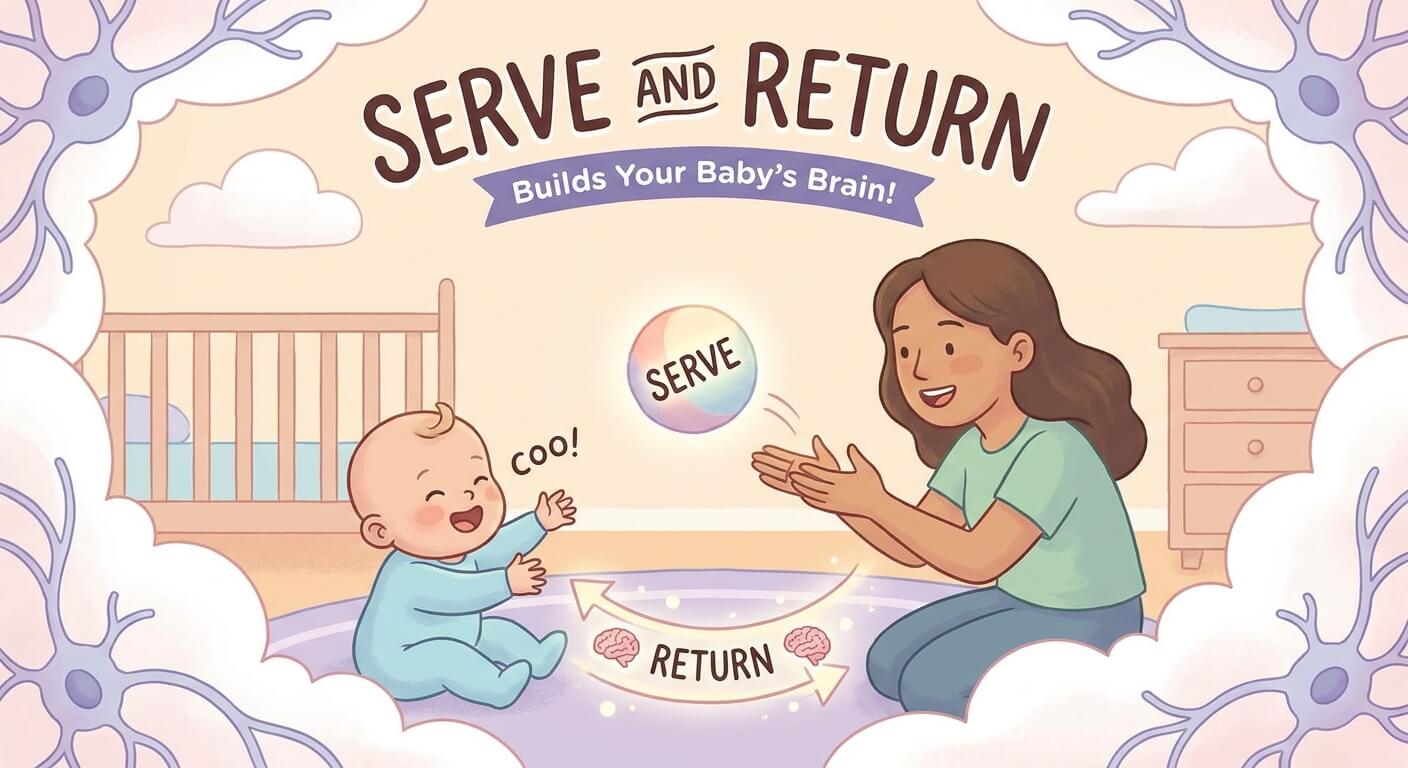
Promptly responding to the baby’s cries and meeting their needs, such as feeding, comforting, and soothing them, helps reinforce the child’s sense of security and trust in the parent. This responsive caregiving shows the baby that their signals are heard and their caregiver is there for them.
One-on-One Time
Taking uninterrupted, distraction-free time to focus solely on the baby allows parents to fully attune to the child’s cues, preferences, and personality. This dedicated bonding time, through activities like holding, rocking, singing, or reading, deepens the emotional connection.
Establishing Routines
Developing consistent daily routines and rituals, like a bedtime routine, gives the child a sense of comfort, control, and predictability in their environment. These familiar interactions reinforce the child’s feelings of safety and belonging.
Gentle Touch
Soothing physical touch, such as massage, rocking, or cuddling, can have a calming effect on the baby and facilitate bonding through the sensory experience.
Listening and Validating
As the child grows, parents can continue nurturing the bond by actively listening to the child, validating their emotions, and showing genuine interest in their thoughts, feelings, and experiences. This emotional availability and responsiveness fosters trust and affection over time.
The key is that bonding is an ongoing process that requires consistent, responsive caregiving from parents. With this foundation, the initial connection can blossom into a lifelong bond of trust and affection.
Conclusion
The first intimate contact with your newborn is a special time that lays the foundation for your relationship. Remember, every parent-child bond is unique. Be patient with yourself and your baby as you navigate this new journey together.
By prioritizing early skin-to-skin contact, responsive care, and continued bonding activities, you’re giving your baby the best possible start in life.
Sources & Further Reading:

October 25, 2026

October 25, 2026

October 25, 2026