Infant-and-iron
Iron for Babies: Complete Guide to Infant Iron Needs, Deficiency & Food Sources
As new life blossoms and grows at an astonishing pace, parents often find themselves navigating a complex landscape of nourishment, sleep, and developmental milestones. Amidst this intricate dance of early childhood, one tiny, often overlooked nutrient plays a monumental role in shaping a child’s foundational health: iron. More than just a mineral, iron functions as a silent architect, underpinning critical brain development, vibrant energy levels, and robust physiological growth. Understanding infant iron needs, recognizing baby iron deficiency, and knowing the best iron-rich foods for babies are essential for every parent.
Understanding Iron – Why Is Iron So Important for Babies?
What Iron Actually Does in Your Baby’s Body
To appreciate iron’s role, let’s start with some basics: infants grow at an astonishing rate, doubling their birth weight by 5 months and tripling it by their first birthday. This rapid expansion demands a steady supply of building blocks, and iron is one of the key players. Think of iron as the delivery truck that transports oxygen— the body’s essential “breath of life”—to every cell.
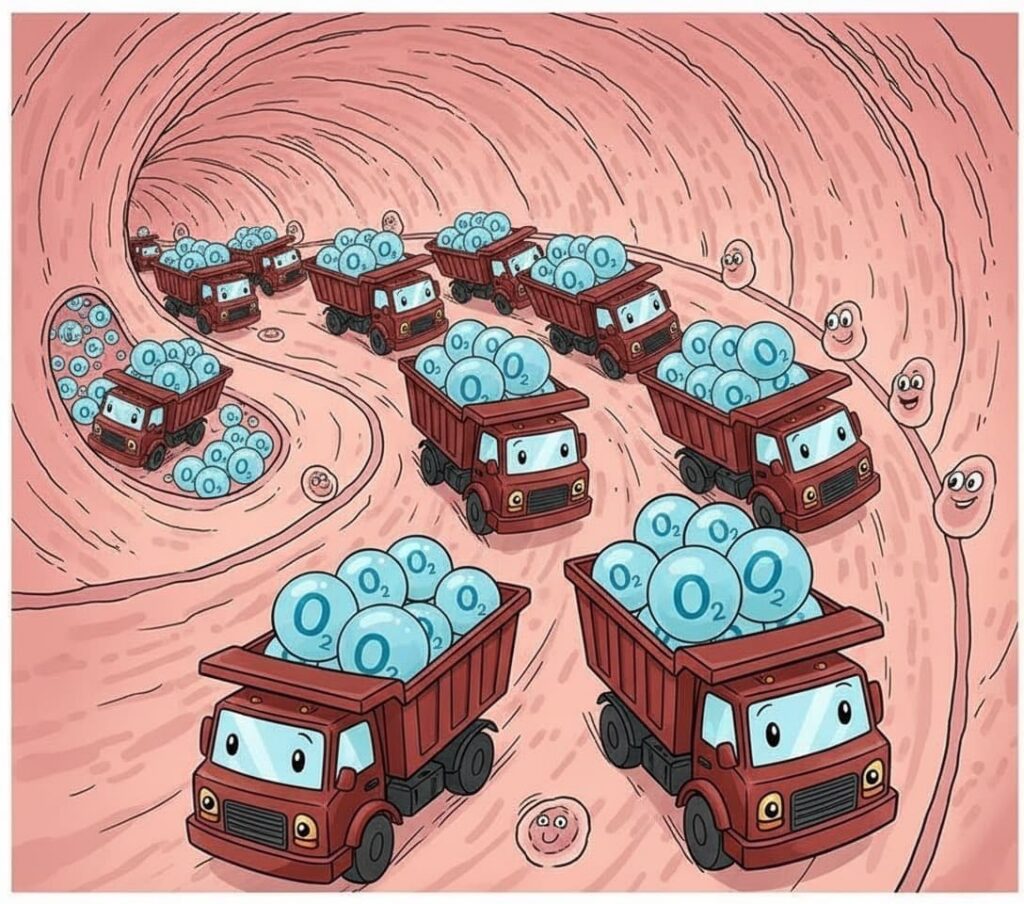
This happens through hemoglobin, a protein in red blood cells that acts like a magnet, picking up oxygen in the lungs and dropping it off where needed. Without enough iron for babies, the body can’t make sufficient hemoglobin, leading to a shortage that affects everything from energy levels to brain function.
But iron’s job doesn’t stop there. Here’s what else this mighty mineral does for baby:
Brain Development
The infant brain undergoes an unprecedented period of growth and development, forming billions of neural connections at a rate unmatched at any other point in life. Iron is a critical co-factor – essentially, a crucial assistant – for enzymes involved in several vital brain processes:
- Myelinization: This is the formation of myelin, a fatty, protective sheath that wraps around nerve fibers, much like the insulation around an electrical wire. Myelin helps nerve signals travel quickly and efficiently. Adequate iron ensures this “insulation” is properly formed, allowing brain signals to transmit smoothly.
- Neurotransmitter Synthesis: Iron is essential for creating neurotransmitters, which are the brain’s chemical messengers. These messengers enable communication between brain cells, playing a vital role in everything from mood to learning and memory.
- Overall Brain Metabolism: Iron supports the brain’s energy production, ensuring it has enough fuel to perform its intricate functions. Deficiencies during this sensitive window of rapid brain growth (especially in the first two years) can have profound, potentially irreversible, implications for cognitive function, memory, learning capabilities, and attention span.
Energy and Growth
An infant’s growth rate is simply astonishing. Their weight can triple by their first birthday, and their length increases significantly. This rapid physical expansion demands substantial energy and resources. Iron contributes directly to the metabolic processes that convert the food an infant eats into usable energy. Adequate infant iron levels support healthy weight gain, muscle development, and the overall physical milestones that define infancy, allowing them to explore and learn about their world with vitality.
Immune System Support
A robust immune system is an infant’s first line of defense against infections, acting like the body’s internal security team. Iron plays a supportive role in the proper functioning of immune cells, helping the body to mount an effective response against viruses, bacteria, and other pathogens. Without enough iron, this “security team” can be weakened, making an infant more susceptible to recurrent illnesses.
The Two Types of Iron: Understanding the Difference
Not all iron is created equal. There are two main types of iron in food, and understanding the difference can help you make better choices for your baby:
Heme Iron: Heme iron comes from animal sources like meat, fish, and poultry. Think of heme iron as premium gasoline—it’s easily recognized and used by your baby’s body. When your baby eats foods containing heme iron, their body can absorb 15-35% of it. This high absorption rate makes heme iron sources for babies particularly valuable for meeting iron requirements for infants.
Examples of heme iron foods include:
- Beef, lamb, and pork
- Chicken and turkey
- Fish and shellfish
- Organ meats (like liver)
Non-Heme Iron: Non-heme iron comes from plant sources and fortified foods. While it’s more abundant in the diet, it’s like regular gasoline—it gets the job done, but not as efficiently. Your baby’s body typically absorbs only 2-20% of non-heme iron, depending on what other foods are eaten at the same time.
Examples of non-heme iron for babies include:
- Iron-fortified cereals
- Beans and lentils
- Spinach and other leafy greens
- Tofu and tempeh
- Fortified breads and pastas
The key to maximizing baby iron absorption is understanding what helps and what hinders the process—we’ll dive deep into this later in the article.
Infant Iron Needs by Age (0-24 Months)
A baby’s need for iron is not a flat line; it’s a dramatic arc that every parent should understand. Nature has designed a beautiful, two-part system to manage this.
Phase 1: The Protected Period (0-6 Months)
When babies are born, they come equipped with what you might think of as a “iron savings account.” During pregnancy, mothers transfer iron to their babies, and full-term infants are born with enough iron stored in their bodies to last about 4-6 months. This is nature’s way of protecting babies during the period when they rely exclusively on milk for nutrition.
What Affects Baby’s Iron “Savings Account”:
Your Iron Status During Pregnancy: Think of iron transfer during pregnancy like filling up a gas tank. If you had low iron levels during pregnancy, your baby’s “tank” might not be completely full at birth. This is why prenatal vitamins containing iron are so important—they help ensure your baby is born with adequate iron stores.
Timing of Birth: Babies born prematurely (before 37 weeks) are like cars that left the gas station before their tank was full. They have smaller iron stores and higher needs due to rapid growth, making them more vulnerable to iron deficiency in babies.
Breastfed Babies: Highly Absorbable, But Limited in Quantity
Breast milk is widely recognized as the gold standard for infant nutrition, offering a comprehensive array of antibodies, growth factors, and nutrients perfectly tailored for a baby’s needs. While the quantity of iron in breast milk is relatively modest compared to fortified formulas, its bioavailability is exceptionally high. Think of bioavailability as how easily and completely the body can absorb and utilize a nutrient. In breast milk, the iron is in a form that the baby’s body can absorb very efficiently, almost like a “VIP lane” for absorption. Despite this superior absorption, even the best “VIP lane” needs enough supply. The infant’s initial iron “savings account” begins to diminish around 4-6 months, making external dietary sources increasingly important. It is also worth noting that the lactating parent’s iron intake, while vital for their own health, does not significantly alter the iron content of breast milk itself.
Formula-Fed Babies: Built-In Iron Fortification
For infants nourished with formula, the iron equation is more straightforward. Leading pediatric organizations universally recommend iron-fortified infant formula for the first 12 months. These formulas are specifically designed to meet an infant’s daily iron requirements, making them a reliable and sufficient source of iron for formula-fed babies during this initial period. Parents should always check the label to ensure the formula they choose is iron-fortified.
Phase 2: The Critical Transition (6-12 Months)
The Savings Account Runs Low
Around 6 months of age, your baby’s iron stores begin to run low, just like a savings account that’s been steadily depleted. This timing coincides perfectly with when babies are developmentally ready to start eating solid foods—nature’s way of ensuring they can get iron from food sources.
Rapid Growth Demand
The first year of life is characterized by exponential growth. As mentioned, an infant’s weight can triple by their first birthday, and their length increases by approximately 50%. This unprecedented cellular expansion and activity demand a continuous and ample supply of iron, placing peak demand on the body’s resources.
How much iron does a 6-month-old baby need? A baby between 7-12 months needs 11 milligrams (mg) of iron per day. This is a significant increase from birth and must be met with iron-rich solid foods.
Warning Signs to Watch For: During this critical period, baby iron deficiency symptoms can develop gradually. Here are subtle signs that many parents miss:
- Increased fussiness or irritability (especially around mealtimes)
- Seeming tired after minimal activity
- Less interest in exploring or playing
- Changes in sleep patterns
- Decreased appetite for solid foods
Phase 3: The Maintenance Phase (12-24 Months)
As babies transition to toddlerhood, their iron needs decrease slightly to 7 milligrams per day, but new challenges emerge that can make meeting these needs more difficult.
The “Milk Anemia” Trap
Too much cow’s milk (over 16-24 oz daily) can lead to ‘milk anemia’ because:
- It has almost no iron.
- It fills baby up, reducing their appetite for iron-rich foods.
- Its calcium content blocks iron absorption.
The Picky Eating Challenge
Most toddlers go through phases of picky eating, often rejecting the very foods that are richest in iron. This is developmentally normal but nutritionally challenging.
Here’s a simple way to visualize iron needs:
| Age | Daily Iron Need | Example |
|---|---|---|
| 0-6 months | Stored iron + breast milk/formula | No additional iron needed |
| 7-12 months | 11 mg | 1 cup iron-fortified cereal + 2 oz ground beef |
| 1-3 years | 7 mg | 1 scrambled egg + 1 slice iron-fortified bread + 1/4 cup lentils |
| 4-8 years | 10 mg | 1 cup fortified cereal + 3 oz chicken + 1/2 cup spinach |
Baby Iron Deficiency: Signs, Symptoms, and Risks
When the supply of iron fails to meet the escalating demands of a growing infant, the consequences can be far-reaching, leading to a condition known as Iron Deficiency Anemia (IDA) in babies. In simple terms, IDA occurs when there isn’t enough iron to produce healthy red blood cells, leading to a shortage of oxygen circulating throughout the body.
The potential impacts of IDA on development include:
- Cognitive Delays: This is arguably the most concerning and potentially long-lasting consequence. Iron deficiency, particularly during the “First 1,000 Days” of life (a critical window spanning from conception to a child’s second birthday, recognized globally as a period of unprecedented development), has been linked to potentially irreversible effects, including:
- Lower Cognitive Scores (IQ)
- Delayed Language Development
- Poor Attention Span and Focus
- Long-Term Behavioral Problems
- Motor Skill Delays: Infants with IDA may exhibit slower development of gross motor skills (like rolling over, sitting up, crawling, or walking) and fine motor skills (like grasping objects), affecting their ability to physically interact with their environment.
- Behavioral Issues: Fatigue, irritability, apathy (a general lack of interest or enthusiasm), and a general lack of engagement can be subtle but telling signs of iron deficiency in babies. These behaviors are often misinterpreted by parents as personality traits or “fussiness” rather than symptoms of a genuine nutritional shortfall.
- Weakened Immune System: As iron supports immune function, its deficiency can render an infant more susceptible to recurrent infections, colds, ear infections, and other illnesses, leading to more frequent doctor visits and discomfort.
- Poor Growth: Chronic iron deficiency can manifest as slower-than-expected weight gain and overall growth deceleration, causing an infant to fall behind on growth charts.
What are the first signs of iron deficiency in a baby?
The insidious (gradual and subtle) nature of iron deficiency means symptoms can develop slowly and be easily overlooked or attributed to other common infant behaviors like tiredness or fussiness. Parents should be vigilant for these infant iron deficiency symptoms, keeping in mind they might not be obvious at first:
- Pale Skin: This is often most noticeable in the lining of the eyelids (pull down the lower lid gently to check for pinkness, which might appear very pale or whitish) and the nail beds.
- Unusual Fatigue or Sluggishness: The baby might seem unusually tired, less active, or lacking energy for play.
- Irritability: Increased fussiness, crying, or general discontent without an obvious reason.
- Poor Appetite: A noticeable decrease in desire to eat, or becoming very picky with food.
- Slowed Weight Gain: The baby’s growth might plateau or fall behind on their growth curve.
- Delayed Motor or Cognitive Milestones: In more severe or prolonged cases, a baby might be slower to roll over, sit up, crawl, or show expected cognitive development like babbling or responding to their name.
- Unusual Cravings (Pica): While more common in toddlers and older children with severe deficiency, pica is a craving for and consumption of non-food items like dirt, clay, paint chips, or ice. It’s a classic, though severe, sign of iron deficiency.
- Frequent Infections: Due to a weakened immune system, an infant with low iron might experience more recurrent bouts of colds, flu, ear infections, or other common childhood illnesses.
Diagnosis
Recognizing these signs is the first step; confirming a diagnosis requires medical evaluation.
Blood Test: A simple blood test, often a finger prick for infants, can measure hemoglobin and ferritin levels. Hemoglobin indicates the amount of oxygen-carrying protein in the blood, while ferritin reflects the body’s iron stores. These measurements provide a clear picture of iron status.
It is paramount to emphasize that symptoms can be subtle and easily missed. Regular well-child visits and pediatrician check-ups are essential, as many healthcare providers routinely screen for iron status around 9-12 months of age, even in the absence of obvious symptoms.
Iron-Rich Foods for Babies
Now that you understand why iron is so important, let’s talk about the practical part: how to actually get enough iron into your baby’s diet with the best iron-rich baby foods.
The Best First Foods for Iron
Iron-fortified baby cereal represents an excellent starting point, provided they contain adequate iron levels (at least 18 mg per serving). These cereals can be mixed with breast milk or formula to create familiar textures while delivering substantial iron content. Single-grain cereals allow for easy identification of potential allergic reactions while providing nutritional benefits.
Pureed meats offer exceptional iron content with superior bioavailability. Beef, lamb, and poultry provide heme iron that the body readily absorbs. Beginning with finely pureed textures and gradually advancing to more complex preparations allows infants to develop appropriate chewing skills while consuming essential nutrients.
Lentils and beans provide excellent iron sources for families preferring plant-based options. These legumes require careful preparation to optimize iron absorption, including soaking, cooking thoroughly, and combining with vitamin C-rich foods. Pureed lentils mixed with tomato sauce or served alongside citrus fruits can significantly enhance iron uptake.
Eggs represent a versatile, iron-rich option that can be prepared in numerous ways. Scrambled eggs with finely chopped vegetables provide iron along with other essential nutrients. The protein content of eggs also supports overall growth and development.
Maximizing Iron Absorption
Vitamin C represents the most powerful enhancer of non-heme iron absorption, potentially increasing uptake by up to 300%. This enhancement occurs when vitamin C-rich foods are consumed simultaneously with iron-rich options.
Perfect Pairs for Babies:
- Iron-fortified cereal + mashed strawberries
- Pureed beef + sweet potato (rich in vitamin C)
- Lentil puree + tomato sauce
- Scrambled eggs + orange segments (for babies 8+ months)
Other Absorption Enhancers:
- Meat, Poultry, Fish: Even small amounts can enhance iron absorption from plant sources
- Citrus Fruits: Oranges, grapefruits, and their juices
- Berries: Strawberries, blueberries, and raspberries
- Bell Peppers: Red, yellow, and green varieties
- Tomatoes: Fresh, cooked, or as sauce
- Broccoli: Steamed and pureed for babies
Absorption Inhibitors and Timing Strategies
Calcium, while essential for bone development, can significantly inhibit iron absorption when consumed simultaneously. This interaction necessitates strategic meal timing to ensure adequate intake of both nutrients.
Practical strategies include offering calcium-rich foods (dairy products, fortified plant milks) between iron-rich meals rather than alongside them. For example, serving iron-fortified cereal for breakfast and offering yogurt as a mid-morning snack allows adequate time for iron absorption while ensuring calcium intake.
Tannins found in tea and coffee can substantially reduce iron absorption, though this concern primarily affects older children and adults. Parents should avoid offering these beverages with iron-rich meals and instead provide water or diluted fruit juices.
Phytates present in whole grains and legumes can inhibit iron absorption, though their impact can be minimized through proper preparation techniques. Soaking grains and legumes before cooking, using fermented grain products, and combining these foods with vitamin C sources can reduce phytate interference.
When Do Babies Need Iron Supplements?
For most healthy, full-term infants who are introduced to iron-rich solids at the appropriate time, dietary intake should suffice. However, there are specific circumstances where infant iron supplements may be necessary.
Common scenarios warranting supplementation include:
- Premature infants or those with low birth weight, who often have lower initial iron stores.
- Infants diagnosed with iron deficiency anemia via a blood test.
- Exclusively breastfed infants who are not consistently consuming adequate iron-rich solid foods after 6 months of age, especially if their iron stores are shown to be low.
- Infants on certain restrictive diets, such as a poorly planned vegetarian or vegan approach, where dietary iron intake may be insufficient.
Dosage & Form: Iron supplements for infants are typically available as liquid drops, allowing for precise dosing. Pediatricians will provide specific instructions on the exact dosage, frequency, and duration of supplementation. It’s crucial to use the provided dropper for accuracy.
Risk of Overdose: A critical warning must accompany any discussion of iron supplements: iron overdose can be extremely dangerous and, in severe cases, fatal for children. Even a seemingly small amount can be toxic. Iron supplements should always be stored in their original child-proof containers, tightly capped, and kept strictly out of reach and sight of children, treating them with the same caution as any prescription medication. If you suspect an overdose, seek immediate emergency medical attention.
Under Medical Supervision ONLY: iron supplements should only be given if recommended and prescribed by a pediatrician or other qualified healthcare professional. Self-prescribing iron can be extremely dangerous due to the narrow therapeutic window between a beneficial dose and a toxic one. Iron supplements are potent and require careful medical oversight.
When to Call the Pediatrician: Don’t Hesitate
Maintaining open, consistent communication with healthcare providers is paramount in an infant’s health journey. When in doubt, always reach out to your pediatrician.
Many pediatric practices incorporate a routine iron screening, often a simple blood test, around 9-12 months of age. This proactive measure helps identify potential deficiencies before overt symptoms develop, allowing for early intervention. Parents should inquire about their pediatrician’s specific screening protocols.
Parents should not hesitate to contact their pediatrician if any of the following apply:
- If you notice any of the symptoms of iron deficiency in babies discussed earlier (e.g., unusual paleness, consistent fatigue or sluggishness, persistent irritability, or a significant and prolonged poor appetite).
- If your baby is exclusively breastfed beyond six months of age and solid foods have not yet been introduced, or if your baby is not consistently consuming iron-rich solids.
- If your baby has specific dietary restrictions (such as a vegetarian or vegan diet) or a medical condition (e.g., severe digestive issues, chronic illness, or a history of significant blood loss) that might affect nutrient absorption.
- Any lingering doubts or questions regarding your baby’s iron intake, growth, or overall nutritional status. Trust your parental instincts – if something feels off, a quick call to your pediatrician is always warranted.
It is crucial to reiterate that pediatricians and registered dietitians specializing in pediatric nutrition are the most reliable resources for personalized advice, accurate diagnosis, and tailored management plans regarding infant nutrition. Their expertise ensures that guidance is based on individual needs and current medical best practices, providing parents with peace of mind and the best possible support for their child’s health.
Debunking Common Myths and Misconceptions
Myth: “Spinach is the best iron source for babies”
While spinach contains iron, it ranks poorly among iron sources due to low bioavailability and high oxalate content. The iron in spinach is non-heme iron, which is poorly absorbed under the best circumstances. Additionally, oxalates in spinach bind to iron, further reducing absorption. Meat, poultry, fish, and iron-fortified cereals provide far superior iron sources for infants.
Myth: “Iron supplements are dangerous for babies”
When used appropriately under medical supervision, iron supplements are safe and effective for treating iron deficiency. While side effects can occur, they are typically mild and manageable. The risks of untreated iron deficiency far outweigh the potential side effects of appropriate supplementation. Proper dosing, administration, and monitoring ensure safe supplementation when indicated.
Myth: “Cow’s milk is a good source of iron”
Cow’s milk contains virtually no iron and can actually impair iron absorption when consumed in large quantities. The American Academy of Pediatrics recommends limiting cow’s milk intake to 16-24 ounces daily for toddlers to prevent “milk anemia.” Families should not rely on cow’s milk as an iron source and should ensure adequate iron intake through other foods.
Myth: “Iron deficiency is always obvious”
Iron deficiency often develops gradually with subtle symptoms that may be overlooked or attributed to other causes. Behavioral changes such as irritability, reduced activity, and sleep disturbances may precede obvious physical symptoms. Regular screening and attention to subtle changes in behavior or development are crucial for early detection.
Myth: “Vegetarian babies can’t get enough iron”
Well-planned vegetarian diets can meet iron needs when they emphasize iron-rich plant foods and absorption-enhancing strategies. Legumes, iron-fortified cereals, tofu, and eggs provide excellent iron sources. Combining these foods with vitamin C-rich options and avoiding absorption inhibitors can ensure adequate iron intake without animal products.
Is iron-fortified cereal necessary for babies? While not strictly necessary if a baby eats other iron-rich sources, iron-fortified cereal is a highly effective and easy way to meet an infant’s high iron demands, especially when starting solids.
Conclusion
The journey of early parenthood is one of profound learning and immense responsibility. Among the myriad aspects of nurturing a blossoming life, understanding and prioritizing adequate iron for babies stands out as a fundamental commitment to a child’s long-term health and developmental trajectory. Iron, the unassuming micronutrient, acts as a silent but powerful force, fueling cognitive prowess, physical growth, and systemic vitality during a period of unparalleled transformation.
By making informed food choices about iron-rich foods for babies, being attuned to the subtle signs of iron deficiency in babies, and maintaining a collaborative relationship with healthcare providers, parents are not merely addressing a nutritional requirement; they are actively shaping the very foundations of their child’s future. This proactive approach, rooted in knowledge and empowered by vigilance, ensures that every little one has the opportunity to thrive, their bodies fueled and their brilliant minds illuminated by the mighty micronutrient. Your informed choices today about infant iron needs are building blocks for their health, happiness, and potential tomorrow.
Sources & Further Reading:
October 25, 2026