

Safety First- Tips for Selecting Secure and Reliable Baby Cradle
Safety First: Tips for Selecting Secure and Reliable Baby Cradle
During the initial few weeks after birth, many parents opt for a baby Cradle as they are easy to move around and enable the baby to sleep nearby in the parents’ room. However, it’s crucial to note that infants grow rapidly. What fits comfortably this month may be too small in just a matter of weeks. For instance, a cradle that suits a newborn at one month old may become cramped by the time they reach two or three months.
While a baby cradle may not be necessary for you and your baby, if you are considering purchasing one, there are important factors to consider.
Types of Baby Cradle
Traditional Wooden Cradle
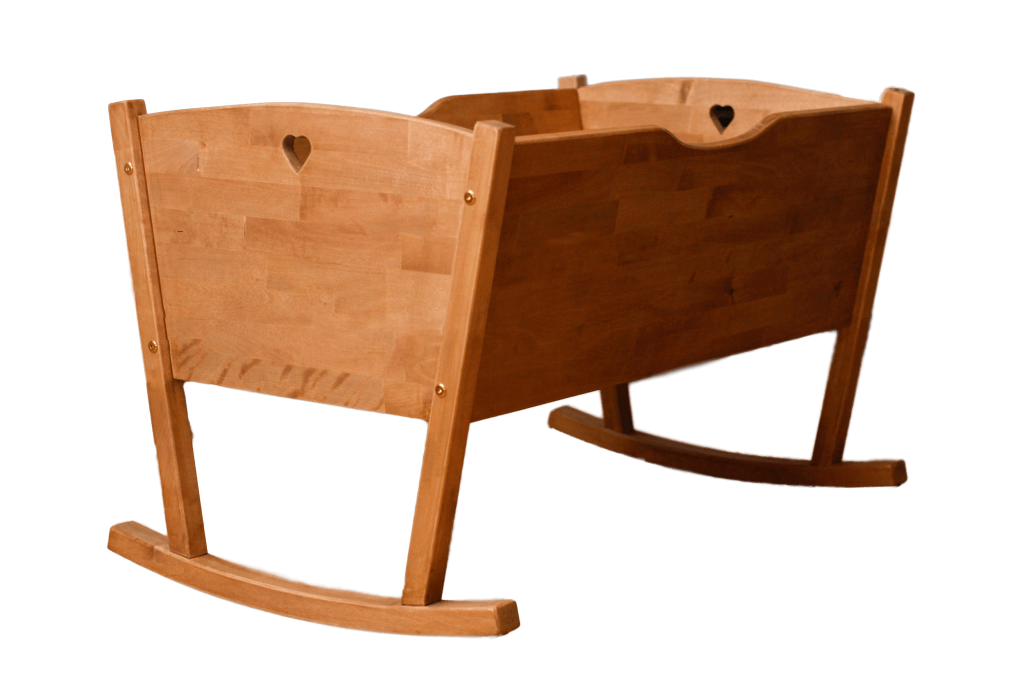
These cradles are made of wood and have a gentle rocking motion to help babies sleep peacefully. They are often handcrafted and can be passed down through generations.
Modern Bassinet-style Cradle
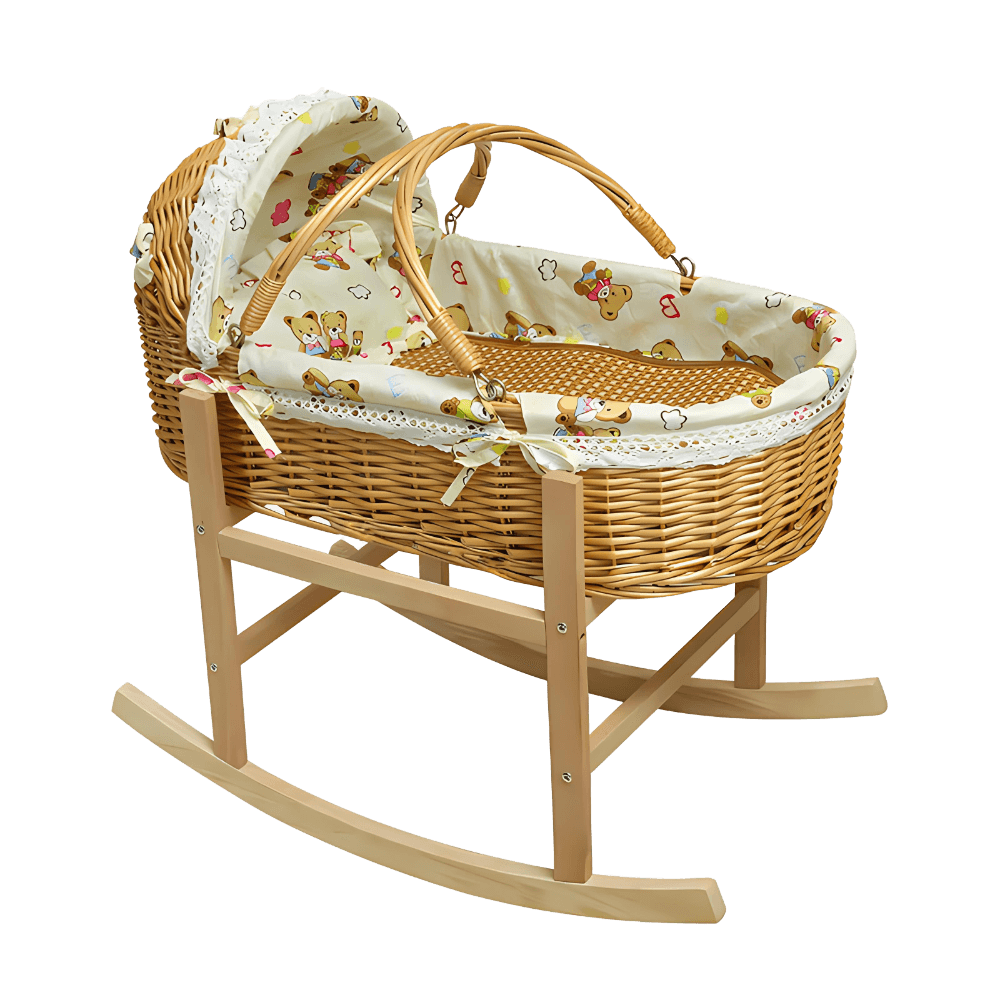
These Cradle are lightweight and portable, made of materials like wicker or plastic. They are convenient for parents who want to keep their baby close by.
Specialized Cradle
Some cradles are designed for specific purposes. For example, travel cradles are easy to fold and carry, while co-sleeping Cradles attach to the parent’s bed for easy access to the baby at night.
Also, some Cradle comes with extra features like music players, vibration settings, adjustable heights, and more. You can choose to buy these additional functions as needed.
Safety Considerations
When it comes to picking out a baby cradle, safety should always be your number one priority. Remember, nothing matters more than keeping your little one secure and sound. So, pay close attention and make sure to follow these important guidelines!
- Sturdy Construction: Ensure that the cradle is sturdy and stable to prevent it from tipping over.
- Safety Standards: Look for a cradle that meets the safety standards set by relevant authorities in your country.
- Mattress Fit: Make sure the mattress fits snugly in the cradle without any gaps where the baby could get trapped.
- Slat Spacing: The spacing between slats should be narrow enough to prevent the baby’s head from getting stuck.
- No Sharp Edges or Protrusions: Check that no sharp edges or protruding parts could harm the baby.
- Locking Mechanism: If the cradle has wheels, ensure that there is a locking mechanism to prevent it from moving.
- Weight Limit: Be aware of the weight limit of the cradle and stop using it once your baby exceeds this limit.
- Ventilation: The cradle should have good ventilation to prevent overheating.
- Non-Toxic Materials: Ensure that the cradle is made of non-toxic materials that are safe for your baby.
- Follow Instructions: Always follow the manufacturer’s instructions for assembly and use.
Choosing the Right Baby Cradle
Size Considerations
When selecting a baby cradle, it’s important to consider the dimensions of both the cradle and the available space in your nursery or bedroom. Measure the area where you plan to place the cradle, taking into account any other furniture or items that will be nearby. Ensure there is enough room for easy access and movement.
Additionally, consider the weight limit of the cradle to ensure it can accommodate your growing baby.
Portability
If you anticipate moving the cradle frequently, such as from room to room or when traveling, a portable option is highly recommended. Look for Cradles that are lightweight and feature handles or wheels for easy transportation. Folding mechanisms can also be beneficial for compact storage or for taking the cradle on trips. Ensure that the portability doesn’t compromise the stability and safety of the cradle.
Budget-Friendly Options
Setting a budget is essential before embarking on any baby-related purchases. Baby Cradle come in a wide range of prices, so it’s important to explore different options within your budget. While it may be tempting to splurge on a high-end cradle, keep in mind that safety and quality are the most important factors. Read reviews, compare features, and look for certifications or safety standards to ensure that even budget-friendly options meet requirements.
Additional Features
While the basic purpose of a baby cradle is to provide a safe and comfortable sleeping environment, additional features can enhance its functionality. Adjustable height settings are particularly helpful to accommodate caregivers of different heights, reducing strain during nighttime feedings or soothing sessions. Breathable mesh sides promote air circulation and allow you to monitor your baby without obstruction. A rocking mechanism can help lull your baby to sleep, providing a gentle and soothing motion. Some Cradle may also offer storage compartments or built-in music to enhance the experience further.
Remember always to prioritize safety when choosing a baby cradle. Look for Cradles that meet safety standards and certifications from internationally authoritative institutions. Some examples of such institutions include ASTM International, the International Organization for Standardization (ISO), and the European Committee for Standardization (CEN). Check for sturdy construction, smooth edges, and secure fastenings to ensure your baby’s safety.
Maintenance and Care
While the baby may not use the cradle for an extended period, it’s still necessary to prioritize peacekeeping and maintenance. A well-maintained cradle could also be passed down to younger siblings, ensuring continued use and safety.
- Cleaning and Sanitizing: Use a mild soap and water solution to clean the cradle regularly, paying particular attention to areas where dirt, dust, or bodily fluids may accumulate. Ensure the cradle is completely dry before placing the baby in it. You can also consider using a safe, non-toxic disinfectant spray suitable for baby products to sanitize the cradle periodically.
- Inspecting for Wear and Tear: Regularly inspect the cradle for any signs of wear and tear, such as frayed fabric, loose stitching, or weakened structural components. Check the integrity of the mattress support, slats, and fasteners. Address any issues promptly to ensure the cradle remains safe for use.
- Assembling and Disassembling: If the cradle is designed to be assembled and disassembled, follow the manufacturer’s instructions carefully. Improper assembly can compromise the structural integrity of the cradle, posing a risk to the baby.
- Testing Stability: Periodically test the stability of the cradle by gently rocking it and checking for any wobbling or instability. Ensure that all locking mechanisms, if applicable, are engaged properly to prevent accidental folding or collapsing.
- Storage and Care: When not in use, store the cradle in a well-ventilated area away from direct sunlight and moisture. Avoid storing it near heat sources or in areas prone to temperature extremes. Follow the manufacturer’s recommendations for disassembly and storage, if applicable.
Alternatives to Baby Cradle
If the classic cradle isn’t your style or if you have specific preferences, don’t worry! There are plenty of alternative options to explore. Consider trying out some of these creative alternatives that might better suit your needs.
Moses basket
Similar to a bassinet, a Moses basket is a small, portable bed often made from natural materials like wicker or palm. It’s lightweight and easy to move around the house, making it a convenient option for newborns.
Co-sleeper
A co-sleeper is a bedside bassinet that attaches securely to the side of the adult bed, allowing parents to have their baby close by for easy feeding and comfort during the night.
Rock ‘n Play sleeper
This is a reclined infant sleeper with a gentle rocking motion, providing a comfortable and soothing sleeping environment for babies. However, be aware that some countries have issued recalls on certain models due to safety concerns, so it’s important to check the latest safety recommendations.
Pack ‘n Play
A Pack ‘n Play, also known as a playpen or travel crib, can double as a safe sleep space for infants. Many models come with a bassinet attachment, providing a convenient option for both daytime naps and overnight sleep.
Baby swing or bouncer
While not designed for extended periods of sleep, a baby swing or bouncer can offer a soothing environment for short naps or moments when your baby needs to be gently rocked to sleep.
Portable crib
A portable crib, also known as a travel crib, is a collapsible crib that can be easily transported and set up in different locations. It provides a familiar and secure sleeping space for your baby while traveling or visiting friends and family.
Baby hammock
A baby hammock is a suspended bed that gently sways and mimics the comforting motion of being rocked. Some parents find that their babies sleep well in a hammock due to the gentle motion and snug feeling.
Conclusion
Baby Cradle provides a cozy and secure environment for infants to rest and sleep, but there are a few things parents should keep in mind. As babies grow and become more active, the cradle’s usefulness may become limited, and it might not be as easy to move from room to room. Additionally, compared to other sleep solutions, it may lack certain features or functionalities. Think about these factors to establish a comfortable and safe sleeping space for your baby.
Sources & Further Reading:

October 25, 2026