Welcoming a new baby into your family is an exciting journey filled with love, joy, and of course, preparation. One of the key aspects of getting ready for your little one’s arrival is building their wardrobe. However, with the plethora of options available in the market, shopping for baby clothing can be overwhelming for new parents.
It’s not just about picking the cutest outfits—there are several important factors to consider to ensure your baby’s comfort, safety, and health.
Understanding the Basics
Picking baby clothes carefully is crucial due to the sensitive nature of a baby’s skin and their overall comfort and safety. Babies have delicate skin that can easily become irritated by rough fabrics or improperly secured accessories, leading to discomfort or even injury. Additionally, babies cannot regulate their body temperature as well as adults, making it essential to choose clothing that suits the weather to prevent overheating or chilling.
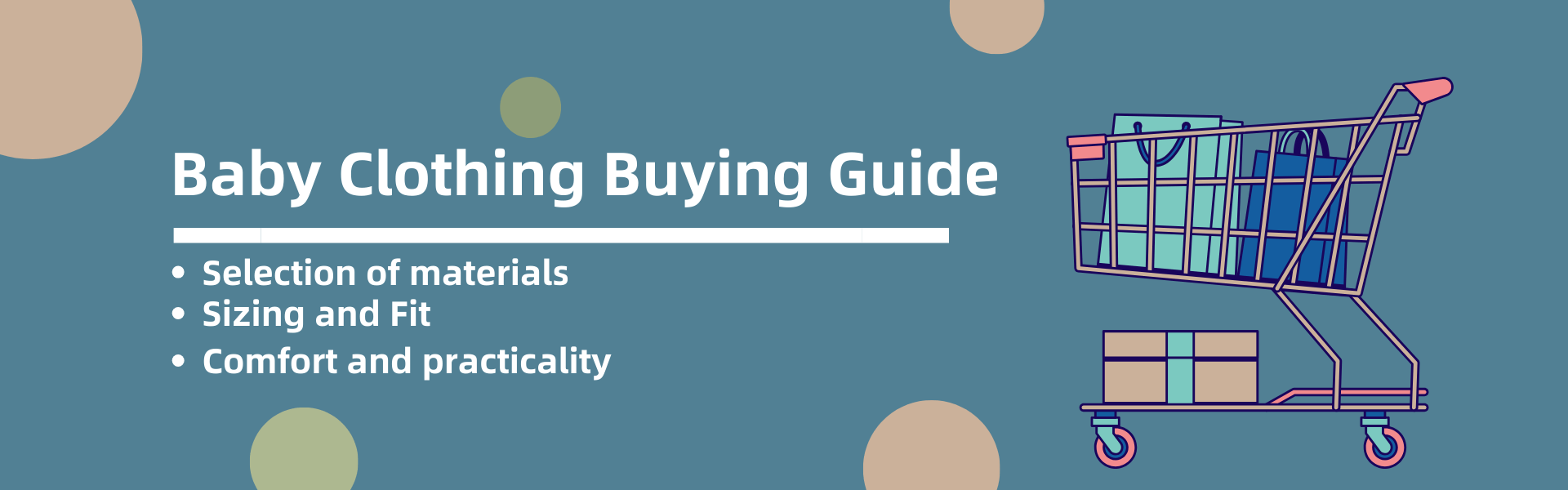
Selection of materials
Choose Natural Fibers: Opt for clothes made from natural fibers like cotton, bamboo, or wool. These materials are breathable, absorbent, and gentle on your baby’s skin. A study published in the Journal of Family Ecology and Consumer Sciences highlights the benefits of cotton in baby clothing due to its softness, breathability, and hypoallergenic properties.
Avoid Rough Textures: Steer clear of garments with rough textures that can irritate a baby’s delicate skin. Tags and seams should be smooth and not placed where they might rub against the skin.
Sizing and Fit
Navigating baby clothing sizes can be challenging due to the lack of standardization across brands. Generally, baby clothing sizes are based on age, but it’s crucial to consider your baby’s weight and length for the best fit.
Always opt for slightly larger sizes to accommodate rapid growth.
Except for premature babies or “small babies”, other children may no longer be able to wear “newborn” size clothes a few days after birth – or even, they will not be able to wear such sizes from birth! Moreover, for many children, those so-called “3-month-old baby” size clothes are completely inappropriate by the time they reach one month old. While you do need to buy one or two outfits for your newborn that fit well, try to buy the rest as large as possible. Rather than having to wear the same set of clothes that fit every day, your child won’t mind wearing a slightly larger outfit.
Safety Essentials
- Avoid Small, Detachable Parts: Steer clear of clothes with buttons, bows, or any small decorations that may come loose, as these can be swallowed by your baby thus creating a choking hazard.
- Flame-resistant Fabrics: To prevent clothing from catching fire and causing injury to infants, all infants should wear pajamas and clothing made of flame-retardant materials. Please ensure that this is specified on the label.
Please read the washing instructions carefully.
These baby clothes should be washed in laundry detergent, not soap, which may wash away the flame retardant ingredients.
- Don’t buy clothes with ties, bow ties, and strings: These features can lead to strangulation and easily snag on objects, endangering infants by increasing the risk of injury.
- Don’t buy clothes that are tight around the neck, arms, and legs: Not only are these clothes a safety hazard as described above, but they are also uncomfortable for children to wear
Comfort and practicality
- Flat Seams: Essential feature that minimizes friction against the baby’s skin, reducing the risk of chafing and irritation.
- Tagless Labels: An important design element that eliminates potential sources of discomfort for infants.
- Elastic Waistbands: Provide a gentle and flexible fit, accommodating the baby’s movements and growth.
- Easy-to-Open Closures: Snaps or buttons make dressing and diaper changes a breeze for both parents and babies.
- Adjustable Features: Expandable cuffs and waistbands ensure a proper fit as the baby grows, adding to the practicality of the clothing.
Baby Wardrobe Essentials
- Onesies or bodysuits: These are versatile and comfortable garments that your baby can wear every day. Look for ones with snap closures for easy diaper changes.
- Sleepsuits or pajamas: Babies spend much time sleeping, so having a few sleepers or pajama sets is essential. Opt for soft, breathable fabrics and consider those with built-in feet for added warmth.
- Swaddling blankets: Swaddling can help soothe and comfort your baby. Choose lightweight, stretchy blankets specifically designed for swaddling.
- Socks: Keep your baby’s feet warm with soft socks. Look for ones that stay on securely and are made from gentle materials.
- Hats: Babies can lose a lot of heat through their heads, so it’s important to have a few hats to keep them warm, especially during colder months or when going outside.
- Mittens: Newborns often have sharp nails and can accidentally scratch themselves. Mittens can help prevent this and keep their hands cozy.
- Onesie extenders: As your baby grows, onesie extenders can help lengthen the lifespan of their onesies by adding extra room at the bottom.
- Bibs: To protect your baby’s clothes during feedings, have a few bibs on hand. Look for ones that are easy to clean and fasten securely.
- Don’t put shoes on your newborn: Shoes are not necessary until the child can walk. If shoes are worn too early, they may affect the development of the child’s feet. The same goes for socks and onesie pajamas; if they are too small for your child and worn for long periods, they can similarly affect the development of your child’s feet.
- T-shirts and pants: As your baby gets older, they’ll need more variety in their wardrobe. Have a few basic t-shirts and pants that are easy to mix and match.
Dress according to the season
As mentioned earlier, babies can’t regulate their body temperature like adults, so it is important to dress according to the seasons!
Spring
Spring weather can be unpredictable, often fluctuating between cool and warm temperatures. Layering is key during this season.
- Base Layer: Start with a soft, breathable onesie. Cotton is an excellent choice as it’s gentle on the baby’s skin and absorbs moisture well.
- Middle Layer: Add a long-sleeve shirt or a light sweater. This layer can be removed if it gets warmer.
- Outer Layer: A lightweight jacket or a fleece suit is perfect for cooler mornings and evenings. Always have a rain cover for the stroller in case of sudden showers.
- Accessories: Soft hats and lightweight mittens for cooler days; a sunhat for sunny days. Don’t forget socks or booties.
Summer
During summer, protecting your baby from overheating and the sun’s harmful rays is important.
- Clothing: Opt for lightweight, loose-fitting clothes from natural cotton or bamboo fabrics. These materials allow the skin to breathe and help with heat dissipation.
- Protection: Always use a wide-brimmed hat to protect your baby’s head and face from the sun. Sunglasses with UV protection are also advisable if your baby will tolerate them.
- Sleepwear: Keep nightwear light and breathable. A single layer, such as a cotton onesie, is often enough, depending on the indoor temperature.
- Sunscreen: Consult with a pediatrician before using sunscreen on infants under 6 months. For older babies, apply baby-safe sunscreen liberally 30 minutes before going outside.
Autumn
Autumn, like spring, can have varying temperatures. Layering remains essential.
- Base Layer: A long-sleeve bodysuit or onesie.
- Middle Layer: Sweaters or cardigans that are easy to put on and take off.
- Outer Layer: A heavier jacket for colder days, and consider water-resistant materials for rainy days.
- Accessories: Hats and mittens for colder days, and continue with socks or soft shoes.
Winter
Keeping your baby warm and protected against the cold, wind, and possibly snow is vital during winter.
- Base Layer: Thermal onesies or long-sleeve bodysuits made of wool or fleece can provide insulation.
- Middle Layer: Add a warm sweater or a fleece jacket.
- Outer Layer: A waterproof snowsuit or a heavy coat is essential for outdoor activities. Ensure it’s easy to put on and take off.
- Accessories: Warm hats that cover the ears, mittens (preferably those that are attached to the coat or are on a string), thick socks, and booties. A balaclava can be useful for very cold days to protect the face.
Remember, every baby is different, and some may naturally run warmer or cooler than others. It’s important to check your baby regularly to ensure they are not overheating or too cold and adjust their layers accordingly.
Conclusion
Shopping for baby clothing is an enjoyable part of preparing for your new arrival. By focusing on comfort, safety, and functionality, you can build a wardrobe that keeps your baby cozy and makes your life a little easier. Remember, the most important aspect is not how stylish your baby looks, but how comfortable and happy they feel in their clothes. Enjoy this special time and the many adorable outfits to come!
Sources & Further Reading:
October 25, 2026