
How to Dress a Newborn
How to Dress a Newborn: Complete Safety Guide & Tips
Welcoming a newborn brings incredible joy – and plenty of new challenges. Among these, the daily task of dressing and undressing your baby can feel surprisingly complex. Recent studies reveal that 50% of new parents find even basic tasks like diaper changes challenging, with 70% struggling with clothing changes during these moments. While this essential part of newborn care might seem daunting at first, it’s actually an opportunity to bond with your little one.
Understanding Your Newborn’s Needs
The Skin Sensitivity Factor
A newborn’s skin is remarkably delicate, as medical research indicates it is approximately 30% thinner than adult skin. This significant difference requires special care and protection, especially since their skin barrier is still developing. As a result, newborns are more susceptible to irritation, temperature changes, and sensitivities to fabrics.
Emperature Regulation
During their first few months, babies have trouble keeping their body temperature steady. Unlike adults, newborns’ bodies are still learning how to stay warm or cool down when needed.
This is because their nervous system is still developing, which makes them much more sensitive to changes in temperature around them.
Preparing for Dressing Success
You wouldn’t start baking a cake without gathering the ingredients and preparing your kitchen, right? Similarly, preparing for dressing a baby involves creating an environment conducive to calmness and comfort. This includes meticulously gathering the necessary supplies and choosing the optimal time for the task.
Creating a Calm and Comfortable Environment
The ambiance of the dressing area plays a crucial role in setting the tone for the entire process. It’s like setting the stage for a calm and enjoyable experience.
- Temperature: Ideally, a nursery should be kept around 72°F (22°C). This is significantly warmer than what most adults prefer because babies lose body heat much faster – up to three to five times quicker than adults. Unlike adults, newborns can’t efficiently generate heat through shivering, making them highly susceptible to hypothermia (dangerously low body temperature). Premature infants are even more vulnerable to rapid heat loss due to their lower body fat and immature temperature regulation systems. Therefore, it’s essential to ensure a draft-free environment, as even slight air currents can significantly impact a newborn’s body temperature.
- Changing Surface: You have two primary options: a dedicated changing table or a firm, flat surface (like a bed) with a changing mat. A changing table often includes safety straps to prevent your baby from rolling or falling. If using a bed or other surface, a waterproof changing mat provides a clean, comfortable, and easily sanitized surface. Regardless of your choice, prioritize safety by always keeping one hand on your baby during diaper changes.
- Lighting: Avoid harsh overhead lights or direct bright light sources. Instead, opt for soft, indirect lighting similar to the gentle glow of a sunrise, rather than the intensity of a spotlight. Consider using a dimmer switch or a low-wattage lamp to create a calming and comfortable environment.
Consider transforming the dressing routine into a soothing ritual. Incorporating soft, calming music or singing a gentle lullaby can create a positive association with being dressed, potentially reducing fussiness and enhancing the bonding experience.
Some parents find that playing white noise, such as nature sounds or a heartbeat, helps to soothe their baby during dressing changes. This transforms the routine chore into a mini-concert, making it enjoyable for both the baby and the caregive.
Gathering Your Supplies
Keeping all necessary supplies within arm’s reach helps create a smooth and stress-free dressing experience. This way, you won’t have to scramble for items halfway through, making the process easier for both the caregiver and the baby.
Clothing Selection:
- Fabric: When selecting baby clothes, prioritize soft, breathable fabrics such as organic cotton. This material is ideal for sensitive skin due to its gentle touch. Avoid using synthetic fabrics or wool as these can irritate delicate skin.
- Size: Ensure clothes fit properly. Clothing that is too tight can restrict movement and cause discomfort, while excessively large garments may be cumbersome and, if covering the face, pose a suffocation risk.
- Style:For young infants, practicality is more important than elaborate designs. Opt for onesies with crotch snaps to simplify diaper changes without needing to undress the baby completely. Kimono-style tops are also beneficial as they wrap around the body and secure at the side, minimizing discomfort when dressing. It’s wise to avoid outfits with numerous buttons or complex fastenings during the initial stages.
- Layering tips: As a general rule, dress your baby in the same number of layers as yourself, plus one extra layer. This guideline helps maintain comfort, but always check the back of your baby’s neck for sweat to determine if fewer layers are needed.
Other Essentials:
- Diapers and Wipes: Diapers and wipes are the foundation of every diaper change. Keep these items within easy reach to ensure quick and efficient changes.
- Burp Cloth or Bib: This offers protection against inevitable spit-ups, keeping the baby’s clothes cleaner for longer.
- Socks, Mittens, and Hat: Socks are essential for maintaining warmth, while mittens may be necessary to prevent newborns from scratching themselves with their surprisingly sharp nails. A soft hat is advisable when venturing outdoors, especially in colder weather.
- A soft blanket: A blanket can not only provide warmth for your baby, but also be used to swaddle or comfort them.
- A favorite toy: For older infants, a cherished toy can be a source of comfort and serve as a distraction during activities like dressing.
Timing is Key
The right moment to dress or undress your newborn can make all the difference. Aim for times when your baby is calm and content, avoiding periods of hunger or fatigue. Ideal moments often occur after feeding—following a brief digestion period to prevent spit-up—or right after a nap. Think of it as catching them in their best mood.
Avoiding Rush: Rushing the process can induce stress in both the caregiver and the baby. It’s like trying to rush through a delicate operation – it’s best to be slow and methodical. The dressing process should be approached with patience and gentleness, allowing ample time for each step. This allows you to pay attention to your baby’s cues and adjust your approach as needed.
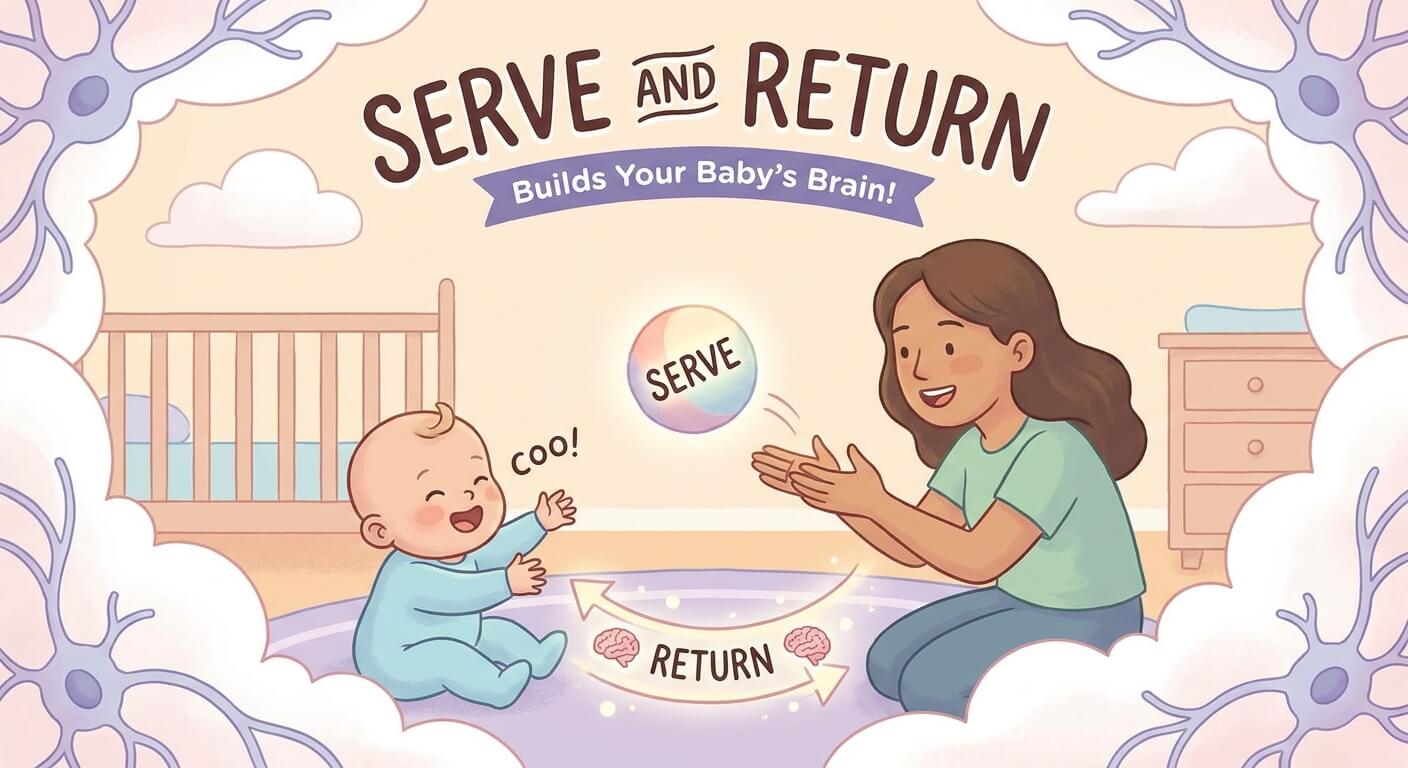
Instead of viewing dressing as a mere chore, consider it a unique opportunity for playful interaction and bonding. Use this time to engage with the baby through gentle touch, cooing sounds, and silly faces. It’s like turning a routine task into a mini playdate. This not only makes the process more enjoyable but also strengthens the parent-child connection.
Newborn Undressing Techniques
Undressing a newborn requires a delicate touch and a keen awareness of the baby’s comfort. It is a process best approached with patience and a soothing demeanor. Think of it as gently unwrapping a precious gift.
Step-by-Step Undressing Guide
- Lay the Baby Down: Gently lay the baby on the prepared changing surface, ensuring their head and neck are adequately supported. Maintain a soothing tone of voice throughout the process, reassuring the baby with gentle words and coos, like whispering sweet nothings to a loved one.
- Unfasten Clothing: Begin by unfastening any snaps, zippers, or buttons, working methodically from top to bottom or vice versa.
- Removing Top:
- Support the head and neck: Always cradle the baby’s head and neck with one hand, providing continuous support. Newborn babies lack the muscle control to support their own heads, making this a crucial step, like holding a delicate flower by its stem.
- Gently lift the top over the head: Stretch the neckline of the garment as wide as possible to minimize contact with the baby’s face. This brief moment of having their face covered can be startling for some infants, so swiftness and gentleness are key.
- Slide arms out one at a time: Gently guide each arm out of the sleeve, avoiding any pulling or tugging motions, like easing a hand out of a glove.
- Removing Bottom:
- Hold the ankles and lift the bottom slightly: With one hand, gently grasp both ankles and elevate the baby’s bottom just enough to slide the pants or leggings down.
- Slide pants or leggings down: Carefully slide the pants or leggings down and off the legs, continuing to support the baby’s lower body.
- Diaper Removal: Unfasten the diaper tabs, gently wipe the baby clean from front to back using baby wipes. This is important for hygiene, especially for girls, to prevent the spread of bacteria. Carefully roll up the soiled diaper, securing it with the tabs before disposal.
Handling Special Situations
Accidents happen. It’s a fact of life, especially with babies. Knowing how to handle them efficiently can minimize stress and mess.
- Dealing with a Messy Onesie: In the event of a diaper blowout, a onesie can be removed without pulling it over the baby’s head. Most onesies have overlapping shoulder flaps, like a secret escape hatch. These can be pulled downwards over the shoulders and arms, allowing the onesie to be rolled down the body and off the legs. This technique, sometimes called the “envelope fold,” helps contain the mess and prevents it from spreading to the baby’s hair or face.
- Removing a Vomit-Stained Shirt: Similar considerations apply when dealing with spit-up or vomit. Gently remove the soiled garment, minimizing contact with the baby’s skin and hair.
Always have a “backup outfit” readily available in the diaper bag or changing area. This foresight can be a lifesaver in such situations, allowing for a quick and seamless transition to a clean set of clothes. It is like having a spare tire in your car – you hope you won’t need it, but you’re glad to have it when you do.
Newborn Dressing Techniques: Step-by-Step Guide
With the undressing process mastered, the next step is dressing the newborn with assurance and care. Think of it as getting your little one ready to conquer the world, one tiny garment at a time!
- Gather the Garment: To dress the top half, gather the onesie or shirt from the bottom. This creates a wide opening, making it easier to slip over your baby’s head.
- Gently Place Over the Head: Support your baby’s head and neck with one hand. With the other hand, gently guide the garment over their head. Try to move quickly but gently to minimize covering the baby’s face.
- Guide Arms Through Sleeves: Opening the sleeve wide, guide your baby’s arm through gently. Avoid pulling on the arm, easing it through as you would when helping someone put on a coat.
- Gather the Pants: Scrunch up the pants or leggings to make it easier to insert your baby’s feet.
- Guide Legs Through: Hold the pant leg open and guide your baby’s foot and leg through one leg at a time. Once both legs are through, pull up the pants and secure any fasteners.
- Putting on Socks: Stretch the sock opening gently and slide it onto your baby’s foot, ensuring their toes are not curled or squished. The socks should fit snugly but comfortably.
- Mittens (if needed): If you’re using mittens to prevent your baby from scratching, gently place them on their hands. Make sure they are not too tight, offering protection like small gloves.
- Hat (if needed): Select a soft, breathable hat that fits snugly but isn’t constrictive. Place the hat gently on your baby’s head, ensuring it doesn’t cover their eyes and fits securely enough not to slip off.
With practice, it will become an effortless part of your routine.
Dressing for Different Occasions
While comfort should always be the primary consideration, there’s no harm in having a little fun with a newborn’s wardrobe.
Consider choosing outfits that are not only practical but also reflect your personal style or the occasion. Just remember, your baby is not a fashion doll – comfort and safety always come first!
- Daytime/Nighttime: For daytime, opt for comfortable, easy-to-change outfits like onesies or rompers. For nighttime, prioritize cozy sleepwear, such as footed pajamas or sleep sacks. Sleep sacks are wearable blankets that provide warmth without the risk of loose blankets in the crib.
- Outings: When venturing outdoors, dress the baby in layers appropriate for the weather. Think of it as dressing for an adventure, prepared for any weather condition! In warmer months, a light hat and sun-protective clothing are essential, like a tiny sun shield. In colder weather, add layers such as a sweater, jacket, and a warm hat, like a little explorer’s gear.
- Special Occasions: While it’s tempting to dress up a newborn in elaborate outfits for special events, remember that comfort should always come first. Opt for softer, more comfortable versions of formal wear, and limit the time the baby spends in such attire.
Common Challenges and Solutions
Even with the best preparation and techniques, challenges may arise during the dressing process. Here’s how to navigate some common hurdles. Think of these as little puzzles to solve, making you a more skilled and confident caregiver.
Dealing with a Wriggly Baby
Newborns are known for their spontaneous movements, which can make dressing a moving target. It’s like trying to put clothes on a tiny, adorable octopus!
- Distraction Techniques: Engaging the baby with a favorite toy, singing a song, or making funny faces can often redirect their attention and minimize wriggling. It’s like creating a mini-show to keep them entertained.
- The “Swaddle Hold”: For moments when the baby is particularly squirmy, a gentle “swaddle hold” can be employed. This involves softly holding the baby’s arms against their sides for a brief moment, just long enough to slip a garment over their head or guide their arms through sleeves. Think of it as a gentle, temporary hug to keep them still.
- Practice Makes Perfect: It’s important to remember that both the caregiver and the baby are learning. With each dressing session, the process will become smoother and more intuitive. It’s like learning a new dance – the more you practice, the better you get.
Baby Cries During Dressing
Crying during dressing is a common occurrence and can be distressing for both the baby and the caregiver.
- Identify the Cause: First, try to ascertain the reason for the crying. Is the baby hungry, tired, too hot, too cold, or in need of a diaper change? Addressing the underlying need can often resolve the crying. It is like troubleshooting a problem – find the root cause, and you can often fix it.
- Take a Break: If the baby becomes overly distressed, it’s perfectly acceptable to take a break. Sometimes, a brief pause, a cuddle, or a change of scenery can work wonders. Resume dressing when both of you are feeling calmer.
- Soothing Techniques: Utilizing gentle techniques such as singing, making soft sounds can help reassure your little one. This can be especially soothing for a fussy baby.
Concerns About Overheating or Overcooling
For a broader safety context, pair clothing guidance with newborn skin care and safe-sleep information about SIDS risk.
- The “One Layer More” Rule: A widely accepted guideline is to dress the baby in one more layer of clothing than an adult would wear in the same environment. This provides a helpful starting point for ensuring the baby is neither too hot nor too cold.
- Checking for Signs: Learn to recognize the signs of overheating (sweating, flushed skin, rapid breathing) and overcooling (shivering, cold extremities, lethargy). These are like the baby’s built-in temperature indicators.
- Adjusting Layers: Be prepared to add or remove layers based on the baby’s cues and the surrounding temperature. A good rule of thumb is to check the back of the baby’s neck. If it feels damp or sweaty, the baby may be too warm. If it feels cold, the baby may need an extra layer.
Safety Precautions
Safety should always be paramount when dressing a newborn.
- Choking Hazards: Avoid clothing with small, loose parts like buttons, ribbons, or decorative embellishments that could detach and pose a choking risk.
- Suffocation Risks: Never leave a baby unattended on a raised changing surface. Ensure cribs are free of loose blankets, pillows, and stuffed animals, as these can pose a suffocation hazard. The AAP recommends that babies sleep on their backs on a firm, flat surface with no soft bedding.
- Strangulation Risks: Drawstrings, especially around the neck, pose a strangulation hazard; therefore, it’s crucial to avoid such clothing items entirely. Ensure that any cords on window blinds or other household items are kept well out of reach.
- Skin Irritation: Wash new baby clothes before their first use to remove any potential irritants or residues. Use a mild, fragrance-free detergent formulated for sensitive skin.
Conclusion
Dressing your newborn is more than just a daily task; it’s a precious opportunity to bond and nurture. Each gentle touch during diaper changes and clothing changes strengthens your connection and contributes to your baby’s well-being.
While mastering the techniques of newborn dressing takes practice, remember that these seemingly small moments of care are fundamental in building a loving parent-child relationship. These moments build lasting memories.
Sources & Further Reading:

October 25, 2026
October 25, 2026
October 25, 2026