

Preventing-Food-Allergies
Introducing Allergenic Foods to Babies: A Modern Guide to Preventing Food Allergies
Imagine walking into a pediatrician’s office in 2005 and being told to avoid giving your baby peanuts until age three. Now picture the same scenario in 2025, where that same doctor enthusiastically hands you a pamphlet titled “Why Your 6-Month-Old Should Eat Peanut Butter.” This isn’t medical confusion—it’s one of the most dramatic reversals in pediatric history, backed by groundbreaking research that has literally saved thousands of children from developing life-threatening food allergies.
Consider Sarah, a mother of two from Portland, whose first child developed severe peanut allergies despite following the “avoidance” advice religiously. When her second baby was born in 2020, her pediatrician recommended the opposite approach: introducing peanuts at six months. Today, that second child enjoys peanut butter sandwiches without concern—a testament to how dramatically our understanding of baby food allergies and early allergen introduction has evolved.
The Revolutionary Change: From Avoidance to Early Introduction of Allergens
The transformation in food allergy prevention advice represents one of modern medicine’s most dramatic about-faces—a complete reversal based on compelling scientific evidence that challenged decades of accepted wisdom.
The Historical Context: How We Got It Wrong
To understand the magnitude of this change, we need to examine how the avoidance strategy developed and why it seemed logical at the time.
The Original Logic (1990s-2000s): Medical authorities reasoned that immature immune systems needed protection from potentially harmful proteins until they developed greater sophistication. The American Academy of Pediatrics recommended avoiding highly allergenic foods—particularly peanuts, tree nuts, and shellfish—until ages 2-3 years, with some guidelines suggesting delays until age 5 for the highest-risk children.
The Unintended Consequences: As these recommendations gained widespread adoption throughout North America and Europe, something unexpected happened: food allergy rates didn’t decrease—they skyrocketed. Peanut allergies doubled between 1997 and 2008, while overall food allergy rates climbed from 3% to 8% of children.
Global Variations Provide Clues: Meanwhile, countries that never embraced widespread avoidance strategies maintained significantly lower allergy rates. Israeli children, who routinely consumed Bamba (a peanut-based snack) from infancy, showed peanut allergy rates 10 times lower than Jewish children living in the UK who followed avoidance protocols.
This global natural experiment suggested that early exposure, rather than avoidance, might be protective against allergy development.
The LEAP Study: A Medical Game-Changer for Allergen Introduction
The Learning Early About Peanut Allergy (LEAP) study, conducted between 2006-2016 and published in the New England Journal of Medicine, provided definitive evidence that transformed international guidelines overnight.
Study Design: Researchers recruited 640 high-risk infants (those with severe eczema and/or egg allergies) between 4-11 months of age. Half were randomly assigned to avoid peanuts completely until age 5, while the other half consumed peanut products regularly (at least 3 times weekly) starting before 11 months of age.
Remarkable Results: The study results were so compelling that investigators stopped the trial early. Children who consumed peanuts regularly showed:
- 70% reduction in peanut allergy development overall
- 80% reduction among the highest-risk participants
Researchers continued following these children for an additional year, during which all participants avoided peanuts. Remarkably, the protective effects persisted—children who had consumed peanuts early continued showing dramatically lower allergy rates even after a year of avoidance. This finding demonstrated that early introduction creates lasting immune tolerance rather than temporary desensitization.
Understanding Baby Food Allergies
To understand why early food introduction works, we first need to explore what happens when the body’s defense system gets confused. Think of the immune system as an incredibly sophisticated security force protecting a VIP (your child’s body). Like any good security team, it needs to distinguish between genuine threats—like bacteria and viruses—and harmless visitors—like food proteins.
The Biological Mix-Up Explained
When everything works correctly, the immune system operates like a well-trained bouncer at an exclusive club. It checks everyone’s credentials, allows friendly nutrients to enter, and blocks potentially dangerous substances. However, in allergic individuals, this bouncer becomes overly paranoid, treating harmless food proteins like dangerous intruders.
Here’s how this biological case of mistaken identity unfolds:
First Exposure (The Setup): When a potentially allergic person first encounters a food protein—let’s say from peanuts—their immune system examines it carefully. In some individuals, the immune system incorrectly tags this harmless protein as “dangerous” and creates specialized antibodies called IgE (Immunoglobulin E) antibodies. Think of these as wanted posters distributed to immune cells throughout the body, complete with detailed descriptions of the “criminal” protein.
The Waiting Period: These IgE antibodies circulate through the bloodstream like security guards on patrol, waiting for their target to appear again. During this time, the person shows no symptoms and may not even realize they’ve been “sensitized” to the food.
Second Exposure (The Reaction): When the same food protein appears again, the immune system recognizes it immediately from the wanted posters. This time, instead of a calm investigation, it launches a full-scale emergency response. Immune cells release powerful chemicals called histamines and other inflammatory mediators—imagine security guards sounding alarms, calling for backup, and deploying tear gas all at once.
The Symptoms: This overreaction creates the symptoms we recognize as allergic reactions. Histamine causes blood vessels to expand (creating redness and swelling), increases mucus production (leading to runny nose or congestion), and makes tissues itchy. In severe cases, this response becomes so widespread that it affects breathing, heart rate, and blood pressure—a life-threatening condition called anaphylaxis.
Risk Factors: When Genetics Meets Environment
Food allergy development results from a complex interplay between genetic predisposition and environmental factors.
Genetic Loading: Family history significantly influences allergy risk, but not in the straightforward way many people assume. Having one parent with food allergies increases a child’s risk by 20-30%, while two allergic parents raise the risk to 60-80%. However, the specific allergies don’t necessarily match—a parent with peanut allergies might have a child who develops egg allergies instead.
The Atopic March: This term describes the tendency for allergic conditions to progress from one form to another throughout childhood. The typical pattern begins with eczema in infancy, progresses to food allergies in toddlerhood, then advances to asthma and environmental allergies in school-age children. Understanding this progression helps healthcare providers identify high-risk children who might benefit from early intervention.
Eczema: The Strongest Predictor: Severe eczema serves as the most reliable predictor of food allergy development, affecting up to 70% of children who later develop multiple food allergies. The connection isn’t coincidental—damaged skin barriers allow food proteins to enter the body through skin contact rather than through the digestive system, potentially triggering allergic sensitization.
Environmental Influences: Modern hygiene practices, antibiotic use, reduced microbial diversity, and delayed food introduction all contribute to increased allergy rates in developed countries. The “hygiene hypothesis” suggests that reduced early-life exposure to microbes may predispose immune systems toward allergic responses rather than tolerance.
The “Big 9” Allergenic Foods: What Parents Need to Know
Nine foods account for approximately 90% of all serious allergic reactions worldwide. Understanding each one’s characteristics helps parents approach introduction strategically:
1. Milk: The Most Common Infant Allergy
Cow’s milk protein allergy affects 2-3% of infants, making it the most prevalent food allergy in babies. Cow’s milk contains over 20 different proteins, but casein and whey proteins cause most allergic reactions. These proteins are structurally different from human breast milk proteins, which explains why breastfed babies can still develop cow’s milk allergies from formula or solid foods.
The good news? About 80% of children outgrow milk allergies by age 16, as their immune systems mature and develop tolerance.
2. Eggs: The Protein Powerhouse Problem
Egg allergies affect approximately 1-2% of children, with most reactions caused by proteins in egg whites rather than yolks.
Egg white contains several proteins, including ovalbumin and ovomucoid, that can trigger immune responses. Interestingly, some children can tolerate well-cooked eggs (like in baked goods) while reacting to less-cooked preparations, because heat changes protein structure and reduces allergenicity.
This is why many allergists recommend introducing eggs in well-cooked forms first, such as hard-boiled or baked into muffins, before progressing to scrambled or soft-cooked preparations. Like milk allergies, most children outgrow egg allergies by school age.
3. Peanuts: The Most Feared but Preventable
Despite generating the most parental anxiety, peanut allergies affect only 1-2% of the population. However, they tend to persist into adulthood and can cause severe reactions from very small exposures.
Peanuts aren’t actually nuts—they’re legumes related to beans and peas, growing underground rather than on trees. The major allergenic proteins (Ara h 1, Ara h 2, and Ara h 3) are exceptionally stable, meaning they maintain their allergenic properties even after roasting, processing, or cooking.
The Learning Early About Peanut Allergy (LEAP) study revolutionized peanut allergy prevention by demonstrating that early introduction reduces allergy development by 70-80% in high-risk infants. This finding was so significant that it immediately changed international medical guidelines.
4. Tree Nuts: The Complex Family
Tree nuts include almonds, walnuts, cashews, pistachios, pecans, hazelnuts, Brazil nuts, and macadamia nuts. Unlike peanuts, these grow on trees and belong to different botanical families, which explains why some people react to only specific tree nuts while others react to multiple varieties.
About 30% of people with tree nut allergies react to multiple tree nuts, even if they’ve only been exposed to one type. This phenomenon, called cross-reactivity, occurs because similar proteins exist across different tree nut species.
Tree nut allergies typically develop later in childhood compared to milk or egg allergies and are more likely to persist throughout life. Many allergists recommend avoiding all tree nuts once an allergy to one type is confirmed, due to cross-contamination risks in processing facilities.
5. Fish: The Mercury Consideration
Fish allergies differ from shellfish allergies—having one doesn’t predict the other. Fish allergies often develop during childhood and typically persist throughout life, though they’re less common than other major allergens.
Certain fish species are more allergenic than others, with salmon, tuna, and halibut causing more reactions than cod or sole. Fish allergies can develop suddenly, even in people who previously tolerated fish well, and cooking doesn’t eliminate the allergenic proteins.
When introducing fish to babies, parents must balance allergy prevention with mercury exposure concerns. Low-mercury fish like salmon, cod, and tilapia provide excellent options for first introductions.
6. Shellfish: The Adult-Onset Allergy
Shellfish allergy is the most common food allergy in adults, often developing suddenly in the teenage years or adulthood. Unlike childhood food allergies, shellfish allergies rarely resolve and tend to worsen over time.
Shellfish divide into crustaceans (shrimp, lobster, crab) and mollusks (oysters, clams, mussels, scallops). People can be allergic to one category without reacting to the other, though crustacean allergies are more common and severe.
Unique characteristics: Shellfish allergies can cause reactions from airborne exposure—simply being in a restaurant where shrimp is being cooked can trigger symptoms in highly sensitive individuals.
7. Wheat: More Than Just Celiac Disease
Wheat allergy differs entirely from celiac disease, though both conditions require wheat avoidance. True wheat allergies involve immediate immune responses to wheat proteins, while celiac disease is an autoimmune condition triggered by gluten that causes intestinal damage over time.
Wheat allergies typically develop in infancy or early childhood and often resolve by adolescence. Children with wheat allergies may tolerate other grains like rice, oats, or corn without problems.
Wheat appears in unexpected places, including soy sauce, processed meats, and even some vitamins, making label reading essential for allergic individuals.
8. Soy: The Formula Connection
Soy allergies primarily affect infants and young children, particularly those who also have milk allergies. Approximately 10-14% of infants with cow’s milk allergy also react to soy-based formulas.
Most children outgrow soy allergies by age 10, making it one of the more temporary food allergies. This natural resolution allows many families to reintroduce soy products during elementary school years.
Fermented soy products like soy sauce and miso may be better tolerated than whole soybeans or soy milk, because fermentation breaks down some allergenic proteins.
9. Sesame: The Newest Addition
Sesame became the ninth officially recognized major allergen in 2021, following growing recognition of its prevalence and severity. Sesame allergies tend to persist into adulthood and can cause severe reactions similar to tree nut allergies.
Sesame allergies are more common in countries where sesame consumption is prevalent, such as Middle Eastern nations where tahini (sesame paste) is a dietary staple. As sesame-containing foods become more popular globally, allergy rates are increasing accordingly.
When to Introduce Allergenic Foods to Your Baby
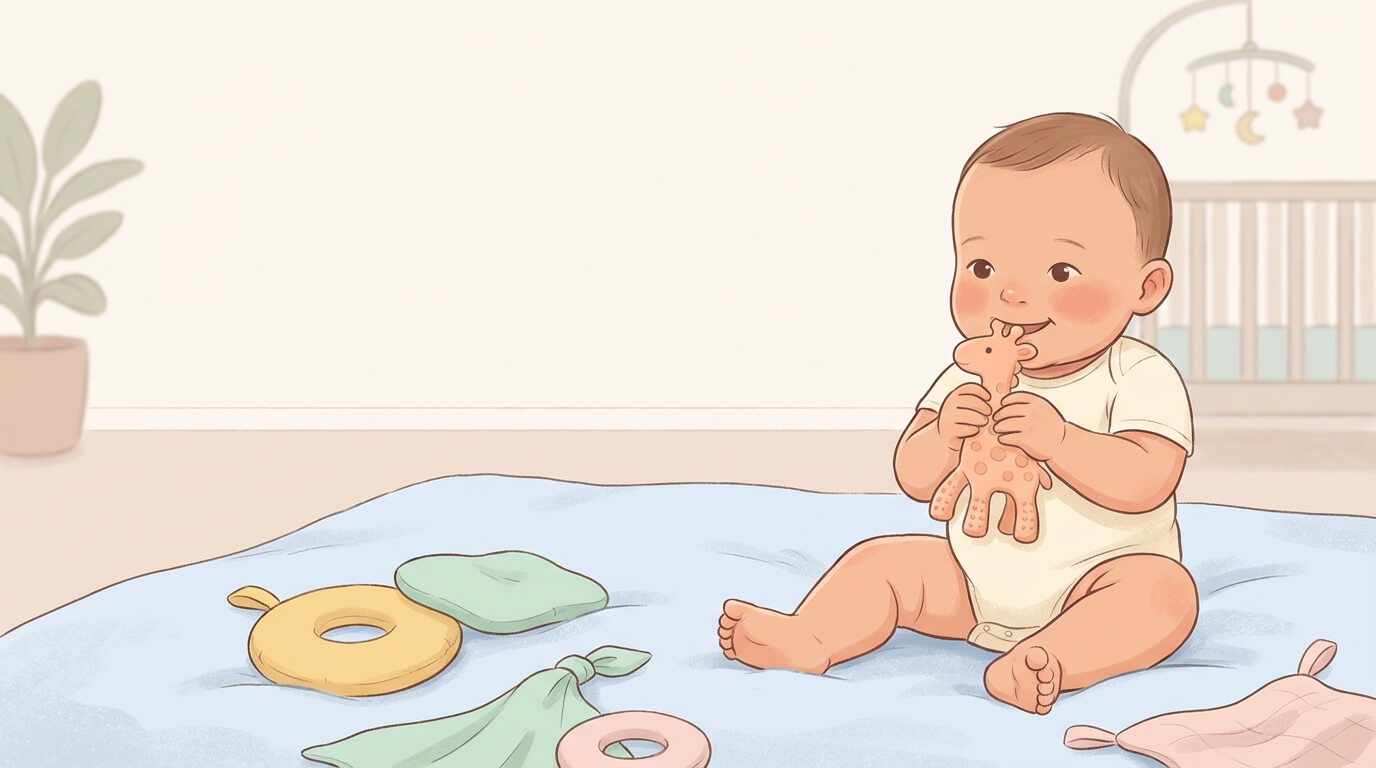
Pinpointing the optimal moment to introduce allergenic foods transcends merely marking a specific age on the calendar. While a general timeframe is associated with this developmental step, an infant’s physical and developmental readiness is equally, if not more, critical. The introduction of any solid food, including those with allergenic potential, should commence only when an infant unequivocally demonstrates the necessary developmental milestones.
Key indicators signaling an infant’s readiness to begin consuming solid foods include:
- Ability to sit up independently or with minimal support: This postural control is fundamental for safe swallowing and significantly reduces the risk of choking. An infant should be able to maintain an upright position in a high chair or on a lap.
- Possessing good head and neck control: Strong head and neck muscles enable an infant to control their head position while eating, which is vital for airway protection during swallowing.
- Demonstrating genuine interest in food: Infants who are ready for solids often watch others eat with curiosity, lean forward when food is presented, or open their mouths when offered a spoon. This behavioral cue reflects an intrinsic motivation to explore food.
- The disappearance of the tongue-thrust reflex: This innate reflex causes infants to use their tongue to push objects, including food, out of their mouth. Its waning indicates that the infant is developing the ability to move food to the back of the mouth for swallowing, a necessary skill for consuming solids.
Creating an Allergen Introduction Schedule
A systematic approach reduces anxiety while maximizing safety and effectiveness. The following framework provides structure while allowing flexibility for individual preferences:
Phase 1: Single Ingredient Introduction (Weeks 1-4)
Week 1-2: Establishing the Foundation
Begin with the least allergenic foods to build confidence and establish baseline tolerance. Well-cooked egg yolk mixed with breast milk or formula provides an excellent starting point, as it’s generally well-tolerated and provides high-quality protein.
Week 3-4: Expanding Options
Introduce smooth peanut butter (properly thinned), plain yogurt, or well-cooked fish. Maintain 3-5 day observation periods between new foods, allowing clear identification of any problematic reactions.
Phase 2: Building Confidence (Weeks 5-8)
Continue introducing single allergenic foods while beginning to increase portion sizes of well-tolerated foods. This phase focuses on establishing regular consumption patterns that maintain immune tolerance.
Phase 3: Combination Foods (Weeks 9-12)
Once several allergenic foods prove individually well-tolerated, begin combining them in simple preparations. Scrambled eggs with cheese, peanut butter mixed with yogurt, or fish mixed with vegetables represent natural progressions that mirror family eating patterns.
Phase 4: Integration and Maintenance (Ongoing)
Transition allergenic foods from “special introductions” to regular family meal components. This phase emphasizes consistency and variety rather than systematic introduction of new foods.
Sustaining Tolerance: The Imperative of Continued Exposure
Successfully introducing an allergenic food for the first time is a significant achievement, but the process of building long-term tolerance often requires ongoing exposure. Once an allergenic food has been safely introduced and tolerated, it is generally important to continue offering it regularly as part of the infant’s diverse diet.
Research suggests that regular exposure—typically several times per week (e.g., 2-3 times per week)—after initial successful introduction is beneficial in maintaining the state of tolerance that has been established. Think of this as continuing the immune system’s education; repeated positive encounters reinforce the message that this food protein is not a threat. Discontinuing exposure to an allergen after initial introduction may, in some cases, lead to a loss of tolerance.
Documentation and Tracking Systems
Maintain detailed records that help identify patterns and provide valuable information for healthcare providers:
Basic Information:
- Date and time of introduction
- Specific food and preparation method
- Quantity consumed
- Baby’s age and general health status
Observation Notes:
- Immediate reactions (within 2 hours)
- Delayed reactions (2-24 hours later)
- Sleep patterns that night
- Stool changes over subsequent days
- Skin condition changes
Environmental Factors:
- Other new foods introduced recently
- Medications or supplements given
- Illness or teething symptoms present
- Unusual stress or routine changes
Take photos of any concerning symptoms, as reactions may resolve before medical appointments. Include timestamps and brief descriptions of what photos show.
Several smartphone applications can help track food introductions, though paper records work equally well. Choose systems that parents will actually use consistently rather than complex systems that become burdensome.
Baby Food Allergy Signs: How to Recognize an Allergic Reaction
Being prepared to recognize the signs and symptoms of an allergic reaction is an essential component of a safe introduction process. Allergic responses can vary widely in their presentation and severity. Knowing what to look for enables timely and appropriate action.
Signs and symptoms that may indicate an allergic reaction include:
- Skin Manifestations: These are the most frequent signs. They may present as hives (urticaria) – red, raised, itchy welts that can appear suddenly anywhere on the body, often initially around the mouth or face. A generalized body rash, with or without itching, can also occur. Swelling (angioedema) of the lips, face, eyelids, tongue, or throat is another potential symptom.
- Gastrointestinal Symptoms: Digestive upset can signal a reaction. This may include vomiting, diarrhea, or stomach cramps. While infants commonly experience spitting up or digestive discomfort, a sudden onset or noticeable increase in the severity of these symptoms shortly after consuming a specific food warrants attention.
- Respiratory Symptoms: These are more serious and demand immediate medical evaluation. Watch for symptoms affecting breathing, such as coughing, wheezing (a high-pitched whistling sound during breathing, indicating narrowed airways), shortness of breath, or apparent difficulty breathing (fast breathing, noisy breathing, pulling in at the neck or ribs).
- Cardiovascular or Neurological Symptoms: In the most severe reactions (anaphylaxis), systemic symptoms can occur. These may include sudden paleness, lethargy, floppiness, loss of consciousness, or a drop in blood pressure. These signs indicate a medical emergency.
The timing of an allergic reaction can vary. Some reactions, particularly severe ones, can occur very rapidly – within minutes of the food touching the mouth or being swallowed. Other reactions may be delayed, appearing up to several hours after the food was consumed. Close observation for an extended period after introducing a new allergen is therefore crucial.
Baby Food Allergies vs. Intolerances: Understanding the Difference
Many parents confuse food allergies with food intolerances, but understanding the distinction helps in making appropriate decisions and responses.
Food Allergies involve the immune system’s overreaction to specific proteins. They typically cause rapid-onset symptoms affecting the skin (hives, swelling), respiratory system (wheezing, throat tightness), digestive system (vomiting, severe diarrhea), or cardiovascular system (rapid heart rate, low blood pressure). Even tiny amounts of the allergenic food can trigger severe reactions.
Food Intolerances result from the digestive system’s inability to properly process certain food components. The most common example is lactose intolerance, where the body lacks sufficient enzymes to break down milk sugar. Intolerances typically cause digestive symptoms like bloating, gas, or diarrhea, but they don’t involve the immune system and rarely cause life-threatening reactions. Additionally, people with intolerances can often consume small amounts of problematic foods without symptoms.
Food Sensitivities represent a middle ground—reactions that don’t involve IgE antibodies but may involve other immune responses. These often cause delayed symptoms that can be difficult to trace to specific foods.
Responding to a Reaction: Action in the Moment
Encountering what appears to be an allergic reaction in an infant is understandably distressing, but a prepared and calm response can be critical. The appropriate course of action is directly related to the severity of the symptoms observed.
Responding to Mild Reactions (e.g., a few scattered hives, a mild rash confined to the mouth area, without any breathing difficulties or other systemic symptoms):
- Immediately stop feeding the suspected food. Do not offer any more of that food or any other new allergenic foods.
- Observe the infant closely. Remain with the infant and monitor their symptoms vigilantly for any progression or worsening.
- Contact the pediatrician or their nurse helpline promptly. Clearly describe the symptoms observed, the suspected food, and the time of consumption. The pediatrician will provide guidance, which may include advising on the use of a previously discussed and prescribed/advised antihistamine if deemed appropriate for the specific symptoms.
Responding to Severe Reactions (Signs of Anaphylaxis, including difficulty breathing, wheezing, swelling of the tongue or throat, widespread or rapidly spreading hives, sudden paleness, limpness, vomiting and diarrhea occurring together, or changes in consciousness):
- Administer the epinephrine auto-injector immediately if one has been prescribed for the infant and the caregiver has received training on its proper use. Epinephrine is the definitive first-line treatment for anaphylaxis and should be administered without delay.
- CALL EMERGENCY SERVICES RIGHT AWAY. Clearly state that the infant is experiencing a severe allergic reaction and that epinephrine has been administered (if applicable).
- Proceed to the nearest emergency room. Even if the infant’s symptoms appear to improve after the administration of epinephrine, medical evaluation and monitoring in a hospital setting are essential due to the risk of a biphasic reaction (a return of symptoms after they have subsided). Do not attempt to manage a suspected severe reaction at home or wait to see if symptoms improve on their own.
Having a clear, pre-discussed plan with the pediatrician regarding how to respond to different levels of reaction, including knowing when and how to use an epinephrine auto-injector if prescribed, empowers families to act decisively and effectively in an emergency.
When to Consult a Professional About Baby Food Allergies
- Pre-Introduction Consultation: Every family should have a discussion with their pediatrician about their plans for introducing solid foods and common allergens. This can typically occur during a routine well-baby check-up around the 4- or 6-month mark.
- Significant Family History of Allergies: If there is a strong family history of food allergies, allergic rhinitis (hay fever), asthma, or eczema, the infant may be at a higher genetic risk for developing allergies. In such cases, the pediatrician may recommend specific allergy testing (such as skin prick tests or blood tests) or refer the family to a board-certified allergist before recommending the introduction of certain allergens at home.
- Moderate to Severe Eczema: Infants with moderate to severe, persistent eczema are known to be at a significantly increased risk of developing food allergies. This is partly because the impaired skin barrier in eczema can allow allergens to enter the body through the skin, potentially leading to sensitization. For these infants, the introduction of allergens requires careful planning and should always be discussed with the pediatrician or potentially an allergist, who may recommend supervised feeding challenges in a clinical setting.
- Any Suspected Allergic Reaction: Following any suspected allergic reaction, regardless of perceived severity or whether it was managed at home, it is crucial to contact the pediatrician to discuss the event. The doctor can help determine if it was indeed an allergic reaction, advise on avoiding the suspected food, and provide guidance on safely introducing other allergens or re-introducing the suspected food under supervision if necessary.
- Parental Anxiety or Uncertainty: If a parent or caregiver feels overwhelmed, significantly anxious, or uncertain about any aspect of introducing allergenic foods, seeking personalized advice and reassurance from their pediatrician is always recommended and appropriate. Open communication with healthcare providers is key to navigating this process confidently.
Conclusion
The period during which infants transition to solid foods and are introduced to common allergens represents a critical, albeit sometimes anxiety-inducing, phase in early development. What was once approached with caution through avoidance is now, based on robust scientific evidence, recognized as a strategic opportunity for proactive allergy prevention. By systematically and safely introducing common allergenic foods during the recommended developmental window and continuing regular exposure, families can play a vital role in helping their infant’s immune system build and maintain tolerance, thereby potentially lowering the risk of developing food allergies.
The ultimate goal extends beyond simply preventing allergies; it encompasses expanding an infant’s dietary horizons, introducing them to a rich variety of flavors and textures, promoting the development of healthy eating patterns, and facilitating their inclusion in the communal experience of family meals. Each safely introduced food represents not just a step in allergy prevention but a positive stride in the child’s overall nutritional development and integration into the family’s lifestyle.
FAQ: Introducing Allergenic Foods to Babies
When can I give my baby peanut butter?
For most babies, peanut butter can be introduced around 6 months of age once they’re showing readiness for solid foods. For babies with severe eczema or existing food allergies, consult your pediatrician first, as they may recommend earlier introduction (between 4-6 months) under medical supervision.
How often should I feed my baby allergenic foods after successful introduction?
After successful introduction, aim to include the allergenic food in your baby’s diet 2-3 times per week to maintain tolerance. Consistent exposure is key to the immune system learning to recognize these proteins as safe.
Can I introduce multiple allergenic foods at once?
It’s generally recommended to introduce allergenic foods one at a time, with 3-5 days between each new food. This approach makes it easier to identify the specific cause if any reaction occurs. After successfully introducing several allergens individually, you can begin combining them.
Should I introduce allergens if my baby has eczema?
Yes, but with caution. Babies with eczema, especially moderate to severe cases, are at higher risk for food allergies and may benefit most from early introduction. However, you should always consult with your pediatrician first, as they might recommend allergy testing or supervised introduction in a medical setting.
What’s the best first allergenic food to introduce?
Well-cooked egg yolk or yogurt are often recommended as first allergenic introductions because they’re nutritious and generally well-tolerated. However, the specific recommendation may vary based on your family history and your baby’s risk factors.
July 21, 2026

July 21, 2026

July 21, 2026