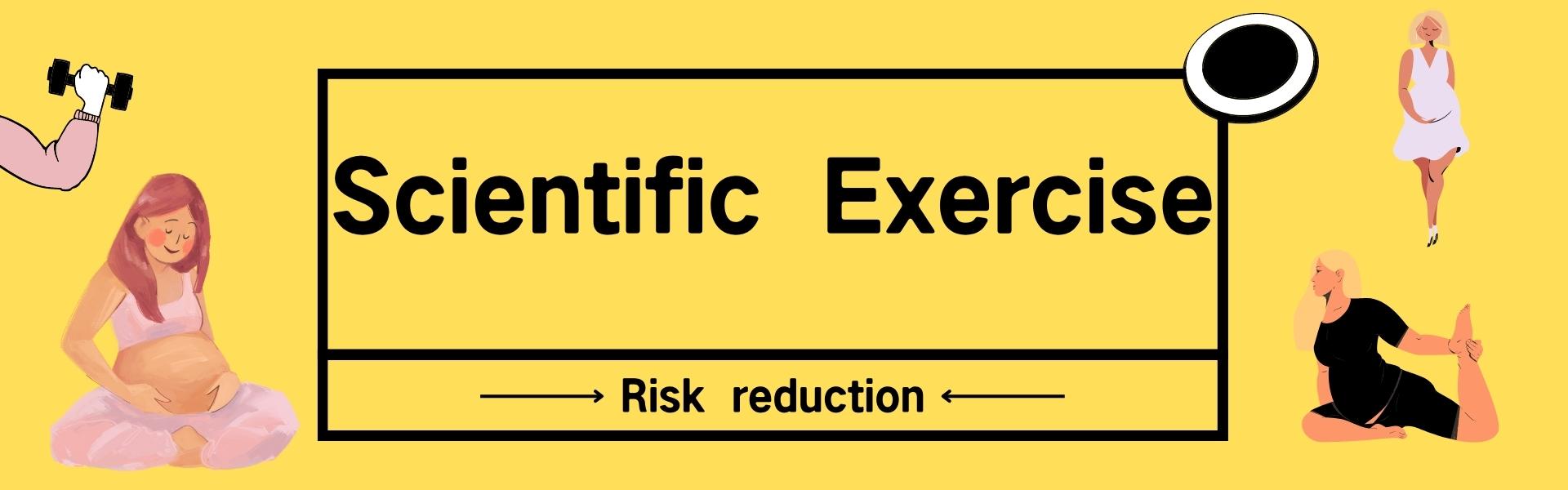
Although there are many benefits of Exercise During Pregnancy, it should not be done blindly
Pregnancy is an exciting time for a woman, but it can also be a challenging experience for the body. One of the ways to stay healthy and reduce the risks during pregnancy is through exercise.
Importance of Exercise During Pregnancy
Regular exercise during pregnancy can benefit both the mother and the baby. According to the American College of Obstetricians and Gynecologists (ACOG), pregnant women should aim to get at least 150 minutes of moderate-intensity aerobic exercise per week. Exercise can help to:
- Maintain a healthy weight: Excessive weight gain during pregnancy can increase the risk of gestational diabetes, preeclampsia, and other complications. Exercise can help to control weight gain and improve overall health.
- Reduce the risk of gestational diabetes: Gestational diabetes is a type of diabetes that develops during pregnancy. Exercise has been shown to reduce the risk of developing gestational diabetes by up to 27%.
- Boost energy levels: Fatigue is a common symptom during pregnancy. Exercise can help to increase energy levels and improve mood.
- Improve sleep quality: Exercise can help to improve sleep quality and reduce instances of insomnia during pregnancy.
- Prepare the body for labor: Exercise can help to strengthen muscles and improve flexibility, which can make labor and delivery easier.
- Reduce the risk of postpartum depression: Exercise has been shown to reduce the risk of postpartum depression, a condition that affects up to 1 in 7 new mothers.
Risks to be aware of
While there are many benefits to exercising during pregnancy, there are also some risks that need to be considered.
- Overheating: Pregnant women are more susceptible to overheating, which can lead to dehydration or heat exhaustion. It is important to stay hydrated and avoid exercising in extreme heat.
- Complications: Women with certain medical conditions may be advised not to exercise during pregnancy. It is important to consult with a healthcare provider before starting an exercise program.
- Preterm labor: There is a small risk of preterm labor associated with exercise during pregnancy. However, studies have shown that moderate exercise does not increase the risk of preterm labor.
- Pelvic pain: Due to hormonal changes and increased pressure on joints and muscles, some women may experience pelvic pain during exercise. It is important to listen to your body and modify or stop the exercise if necessary.
Exercise advise during pregnancy
According to the ACOG, pregnant women are advised to follow the following guidelines when exercising:
- Choose low-impact activities: Walking, swimming, stationary cycling, and prenatal yoga are all good options for pregnant women. Avoid high-impact activities or sports that involve contact or risk of falling.
- Stay hydrated: Drink plenty of water before, during, and after exercise to avoid dehydration.
- Avoid lying flat on your back: After the first trimester, lying flat on your back can reduce blood flow to the baby. Choose exercises that allow you to remain upright or on your side.
- Wear comfortable clothing: Choose loose-fitting, breathable clothing and a supportive bra.
- Listen to your body: If you experience any pain, discomfort, or other symptoms during exercise, stop or modify the activity.
Practical Tips
- Start slowly: If you were not active before pregnancy, start with low-intensity activities and gradually increase the duration and intensity.
- Keep it consistent: Aim to exercise for at least 30 minutes a day, most days of the week.
- Stay cool: Exercise in a well-ventilated area or air-conditioned gym to avoid overheating.
- Stretch before and after exercise: Gentle stretching can help to reduce muscle tension and improve flexibility.
- Find a buddy: Exercise with a friend or join a prenatal exercise class to stay motivated and accountable.
Conclusion
In conclusion, exercise during pregnancy is safe and beneficial when done with caution and guidance from a healthcare provider. It can help to control weight gain, reduce the risk of gestational diabetes, boost energy levels, improve sleep quality, prepare the body for labor, and reduce the risk of postpartum depression.
July 22, 2026