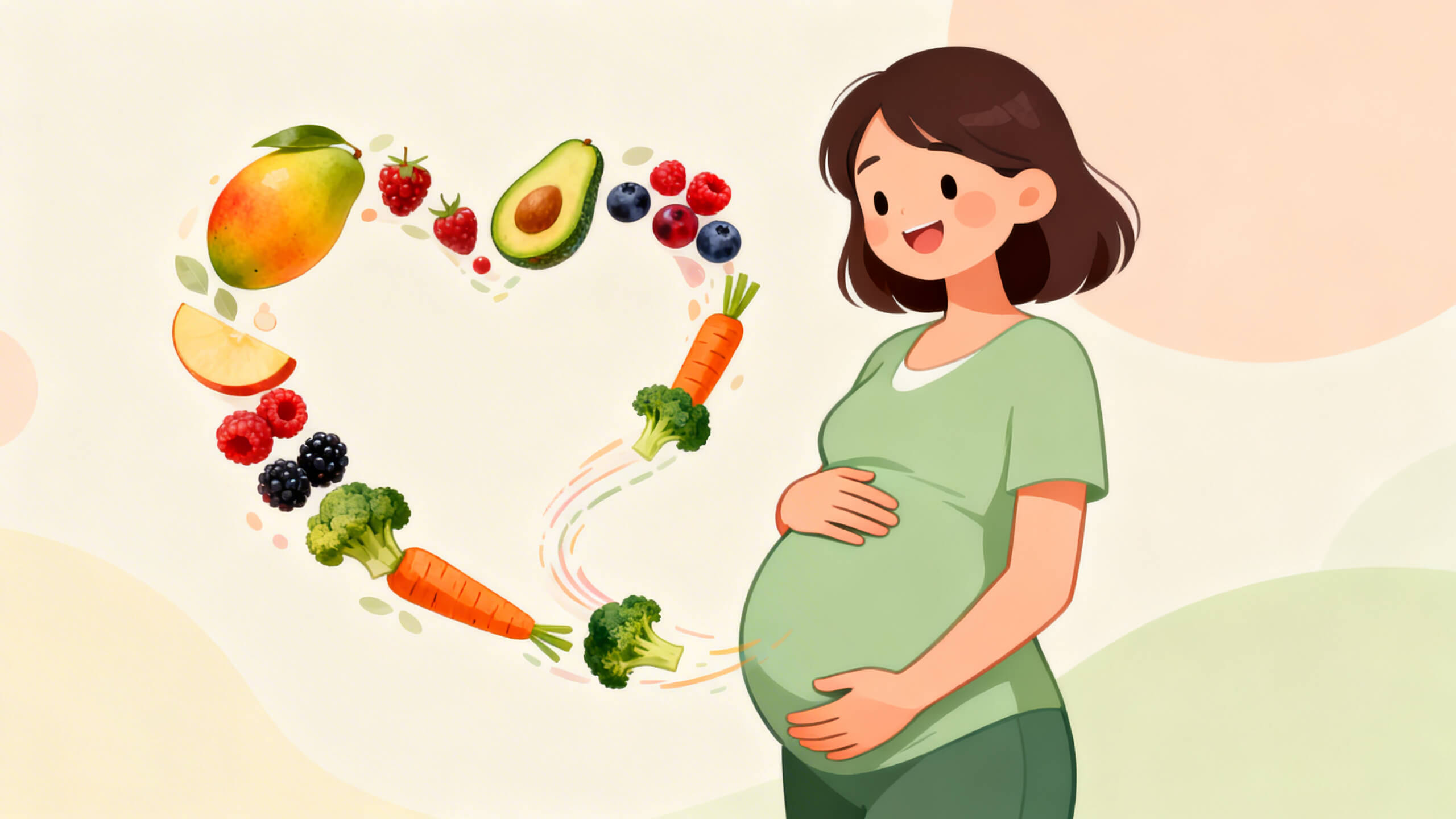
Pregnancy stages are a wonderful yet challenging journey, especially for first-time mothers. To prepare physically, mentally, and emotionally, understanding each stage is essential. From the first to the third trimester, follow your baby’s growth and emotional changes for a healthy pregnancy.
In this post, we will discuss each stage of pregnancy in detail and provide recommendations from authoritative experts and institutions.
The First Trimester: Understanding the Early Pregnancy Stage of Pregnancy Stages
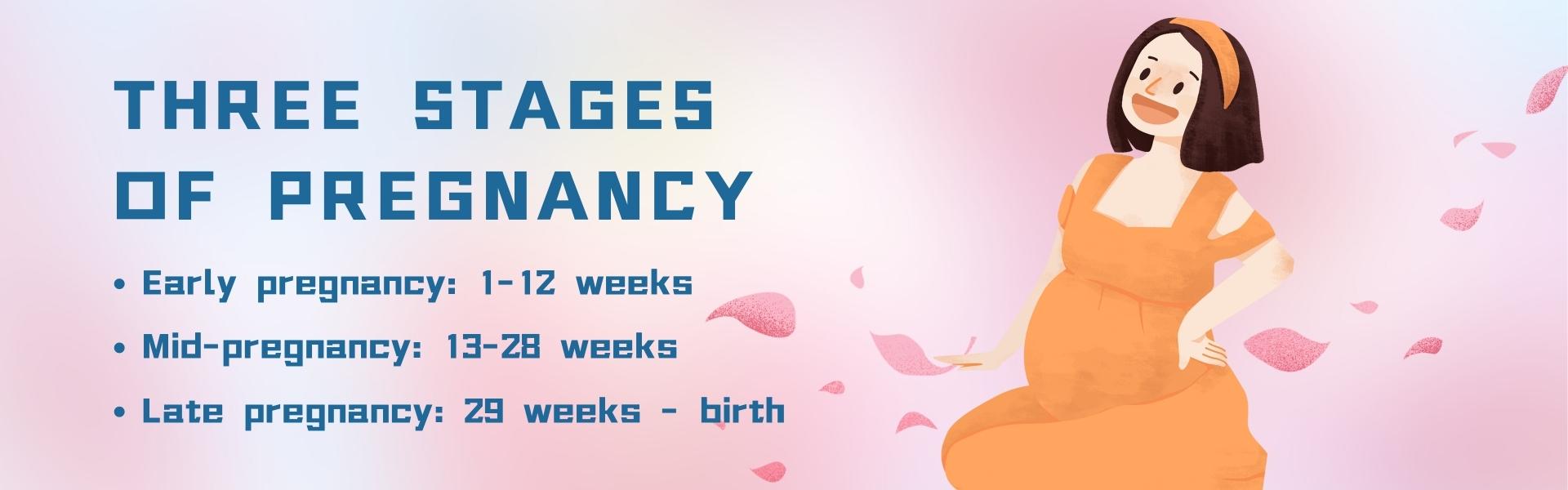
The first trimester, which is one of the Pregnancy stages, is the early stage that lasts from week 1 to week 12. During this period, the fertilized egg implants itself in the uterus, and major organs begin to develop.
Symptoms
- Nausea and vomiting
- Tender or swollen breasts
- Fatigue
- Mood swings
- Spotting or cramping
- Changes in taste and smell
- Frequent urination
- Dizziness and lightheadedness
Probabilities of Occurrence
According to American Pregnancy Association, about 30% of women experience spotting during early pregnancy, and around 70-80% experience nausea or vomiting.
Recommendations
- Take prenatal vitamins that contain folic acid to help prevent birth defects.
- Avoid alcohol, tobacco, and any substance that can harm the baby.
- Stay hydrated by drinking plenty of water and other fluids.
- Rest as much as possible when feeling tired or fatigued.
- Consult with your healthcare provider before taking any over-the-counter or prescription medication.
The Second Trimester: Navigating the Growth and Changes of Pregnancy Stages
The second trimester, which is another of the Pregnancy stages, begins from week 13 to week 28 of pregnancy. During this period, the baby grows rapidly, and mothers may experience relief from early pregnancy symptoms.
Symptoms
- Increased appetite
- Weight gain
- Braxton Hicks contractions
- Stretch marks
- Swollen feet or ankles
- Darkening of the skin around the nipples and belly.
Probabilities of Occurrence
According to Healthlin, around 90% of women experience weight gain during the second trimester, and about 30-50% experience Braxton Hicks contractions.
Recommendations
- Eat a balanced diet with plenty of fruits, vegetables, and protein to help support your baby’s growth.
- Exercise regularly as recommended by a healthcare provider.
- Keep track of fetal movement to ensure the baby is healthy and active.
- Attend childbirth classes to prepare for labor and delivery.
The Third Trimester: Preparing for Labor and Delivery in Pregnancy Stages
The third trimester, which is the final of the Pregnancy stages, lasts from week 29 until birth. During this period, the baby grows bigger and stronger, and mothers may experience more physical discomfort.
Symptoms
- Shortness of breath
- Back pain
- Insomnia
- Hemorrhoids
- Fatigue
- Heartburn
- Swelling in the hands, legs, and feet.
Probabilities of Occurrence
According to WebMD, around 75-80% of pregnant women experience back pain during the third trimester and about 80% experience shortness of breath.
Recommendations
- Continue with a healthy diet and exercise plan to help you maintain your energy and health until delivery.
- Practice Kegel exercises to strengthen pelvic muscles and prepare for labor and delivery.
- Plan for labor and delivery by discussing options with a healthcare provider and creating a birth plan.
- Pack a hospital bag in advance with everything you need for yourself and your baby.
Conclusion
Pregnancy can be overwhelming, especially for first-time mothers. Understanding the three stages of pregnancy and what to expect during each stage can help you prepare for the journey ahead. Remember to consult with your healthcare provider for any questions or concerns you may have during your pregnancy. By taking care of yourself and your baby, you can help ensure a safe and healthy pregnancy and delivery.
Sources & Further Reading:
October 27, 2026