
How to Effectively Cope with Emotional Changes During Pregnancy
Pregnancy is a time of tremendous change, both physically and emotionally. While physical changes like weight gain and morning sickness are often discussed, the emotional changes that accompany pregnancy can be just as significant. Hormonal changes in the body can cause mood swings, anxiety, and depression. Coping with these changes can be a challenge, but there are strategies that can help.
Understand the Emotional Changes
The first step in coping with emotional changes during pregnancy is to understand what you may experience. Mood swings, anxiety, and depression are all common during pregnancy, and they can be caused by a combination of hormonal changes, physical discomfort, and the stress of anticipating a new baby. Symptoms may include:
- Persistent feelings of sadness, hopelessness, or worthlessness
- Loss of interest in activities you once enjoyed
- Difficulty concentrating
- Changes in appetite or sleep patterns
- Feelings of guilt or shame
- Thoughts of self-harm or suicide
It’s important to note that experiencing some of these symptoms does not necessarily mean you have clinical depression. However, if you are experiencing symptoms that interfere with your daily life, it’s important to talk to your healthcare provider about getting help.
Seek Support
One of the most important things you can do to cope with emotional changes during pregnancy is to seek support. Talk to your partner, friends, and family about how you’re feeling. Join a pregnancy support group or talk to other moms-to-be online. You may also want to consider seeking professional help from a therapist or counselor.
Get Plenty of Rest
Fatigue is a common symptom during pregnancy, and lack of sleep can exacerbate feelings of anxiety and depression. Make sure you are getting plenty of rest by going to bed at a reasonable hour and taking naps when needed. You may also want to try relaxation techniques like deep breathing or meditation to help you sleep.
Exercise
Exercise is a great way to alleviate stress and improve your mood. Talk to your healthcare provider about what types of exercise are safe for you during pregnancy, and make a plan to get moving on a regular basis. Even short walks or gentle yoga can be helpful.
Eat a Balanced Diet
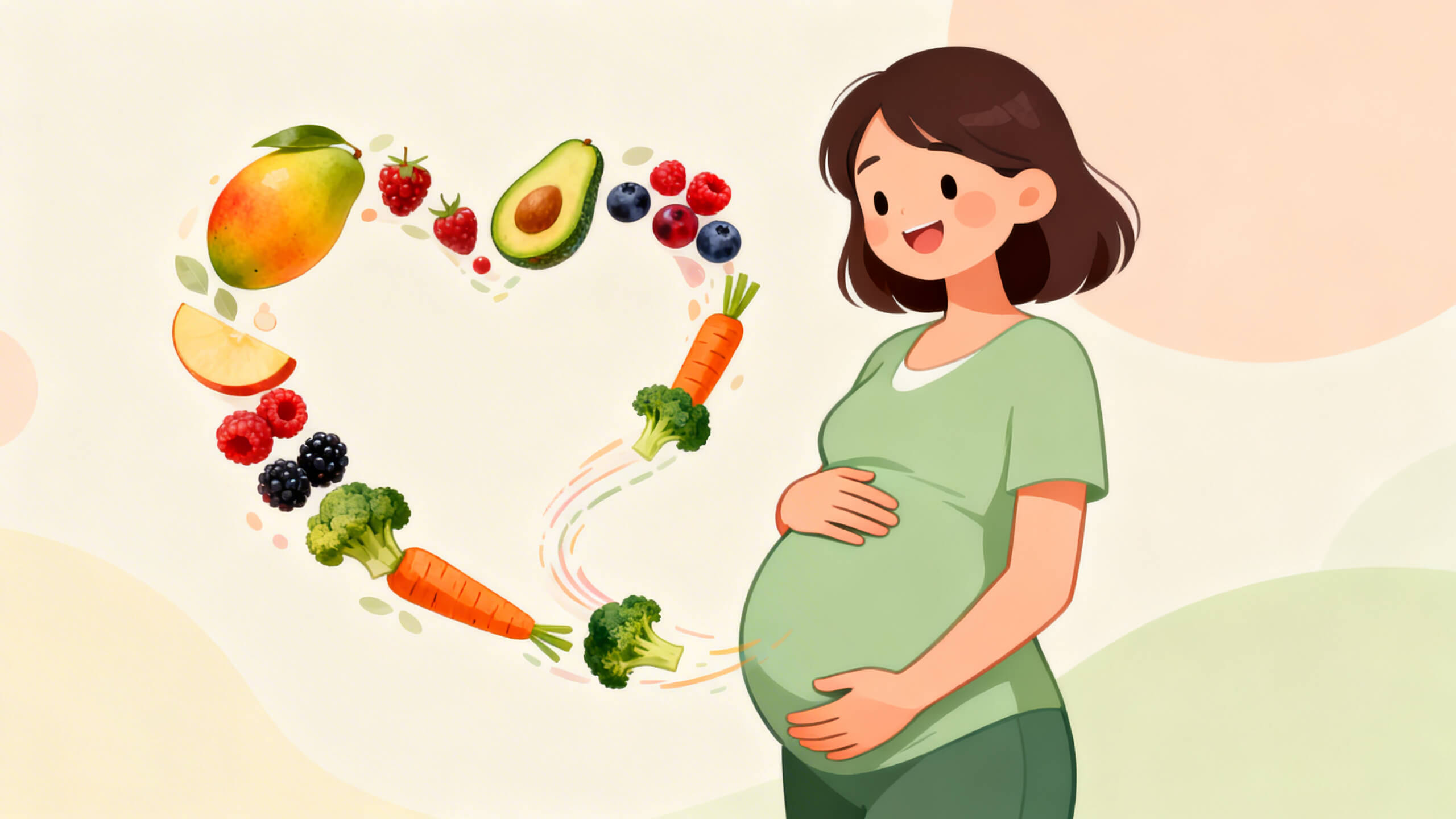
Eating a balanced diet is important for both physical and emotional health. Make sure you are getting plenty of fruits, vegetables, lean protein, and whole grains. Limit your intake of processed foods, caffeine, and sugar, which can exacerbate anxiety and depression.
Talk to Your Healthcare Provider
If you are experiencing symptoms of depression or anxiety that interfere with your daily life, it’s important to talk to your healthcare provider. They can provide guidance on treatment options, which may include therapy, medication, or a combination of the two.
Conclusion
Emotional changes during pregnancy can be challenging, but with the right support and strategies, you can cope effectively. Remember to seek support, get plenty of rest, exercise, eat a balanced diet, and talk to your healthcare provider if you are experiencing symptoms of depression or anxiety. By taking care of yourself, you can take care of your growing baby too.
Sources & Further Reading:
October 25, 2026