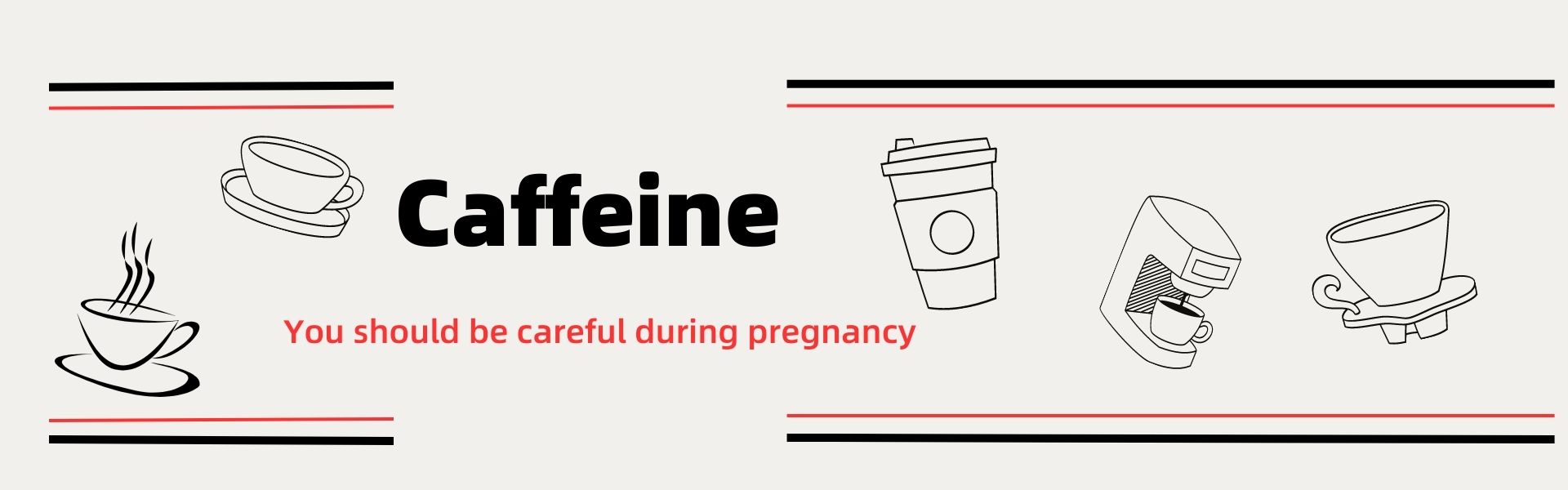
One of the things that women need to consider during pregnancy is their caffeine intake.
Pregnancy is an exciting time in a woman’s life, but it also comes with its fair share of challenges. One of the challenges that pregnant women face is making sure that their diet is healthy for both themselves and their growing baby.
Why Reduce Your Caffeine Intake?
Caffeine is a stimulant that can affect both the mother and the developing baby. When you consume caffeine, it can cross the placenta and affect the baby’s heart rate and breathing. High levels of caffeine can also increase the risk of miscarriage, low birth weight, and preterm birth.
How Much Caffeine Is Safe During Pregnancy?
The American College of Obstetricians and Gynecologists recommends that pregnant women consume no more than 200mg of caffeine per day, which is roughly equivalent to one 12-ounce cup of coffee. However, some studies have suggested that even low levels of caffeine can have negative effects on pregnancy outcomes. Therefore, it is best to consult with your healthcare provider about your individual caffeine intake during pregnancy.
Possible symptoms
The symptoms of too much caffeine during pregnancy can include:
- Sleep disturbances
- Nausea
- Vomiting
- Increased heart rate
- Headaches
- Jitteriness
The probability of experiencing these symptoms varies from woman to woman, but they are more likely to occur in women who consume high levels of caffeine.
Caffeine affects the central nervous system, which can cause many of these symptoms. For example, caffeine can interfere with sleep patterns, leading to sleep disturbances. It can also cause the heart to beat faster, increasing heart rate and jitteriness.
Advice from an Authoritative Expert or Body
The Mayo Clinic, the American College of Obstetricians and Gynecologists, and the March of Dimes are all excellent sources of information on caffeine and pregnancy. These organizations provide comprehensive information on the risks associated with caffeine consumption during pregnancy and recommendations for safe levels of caffeine intake.
The American College of Obstetricians and Gynecologists recommends that pregnant women consume no more than 200mg of caffeine daily. However, it is important to note that some studies have suggested that even low levels of caffeine can have negative effects on pregnancy outcomes. Therefore, it is best to consult with your healthcare provider about your individual caffeine intake during pregnancy.
Recommendations for action
If you are pregnant, there are several things you can do to reduce your caffeine intake:
- Replace coffee with decaf or herbal tea
- Limit your intake of soda and energy drinks
- Read labels carefully to determine caffeine content in food and beverages
- Talk to your healthcare provider about your individual caffeine intake
Conclusion
Pregnancy is a time when women need to be extra vigilant about their health. Caffeine is a stimulant that can affect both the mother and the developing baby, so it is important to limit your intake during pregnancy. By following the recommendations of authoritative expert bodies and taking action to reduce your caffeine intake, you can help ensure a healthy pregnancy for you and your baby.
Sources & Further Reading:
October 25, 2026