Baby Blues
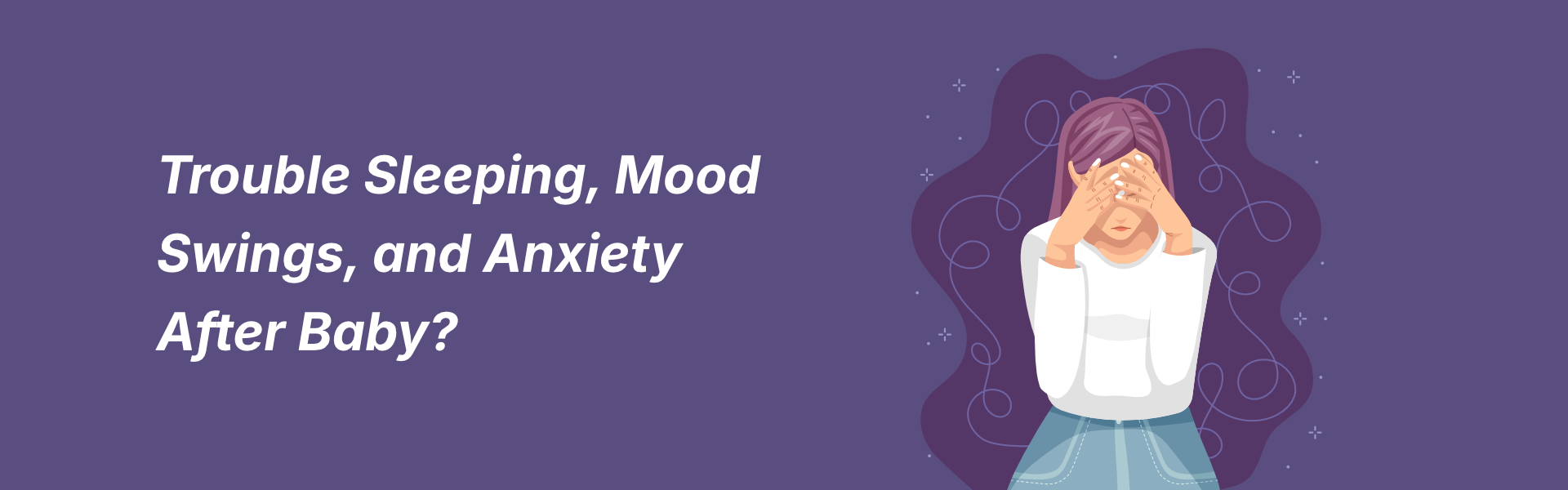
Trouble Sleeping, Mood Swings, and Anxiety After Baby? Understanding the ‘Baby Blues’
After giving birth, new mothers can experience a range of difficult emotional and physical states. Some may feel overwhelmed, exhausted, and irritable, breaking down in tears unexpectedly. Others may struggle with feelings of resentment towards their newborn. Fathers can also have a hard time, withdrawing emotionally and feeling uncertain of their role as a parents. These postpartum experiences – the mood swings, anxiety, and difficulty bonding with the child – are collectively known as the “Baby Blues.”
Baby Blues are experienced by up to 80% of new mothers. It’s a normal part of the postpartum period, but it’s crucial to understand and address these feelings to ensure the well-being of both parent and child.
What are the Baby Blues?
Baby Blues refer to a brief period of mild emotional distress that typically occurs within the first few days after childbirth.
- Timing: Usually begins 2-3 days after delivery
- Duration: Typically lasts for up to two weeks postpartum
- Intensity: Mild to moderate emotional symptoms
Dr. Jennifer Payne, Director of the Women’s Mood Disorders Center at Johns Hopkins Medicine, provides a clear explanation: “Baby Blues are characterized by mood swings, crying spells, anxiety, and difficulty sleeping. These symptoms usually peak around the fourth or fifth day after delivery and resolve within two weeks. It’s important to note that these feelings, while distressing, are generally manageable and don’t significantly impair daily functioning.”
Causes of Baby Blues
If these feelings last longer or become more intense, parents can review broader postpartum emotions, speak with a qualified postpartum depression therapist, and ask a healthcare professional about the EPDS.
The causes of baby blues are multifaceted and can be attributed to a combination of physical, emotional, and environmental factors. Here are some of the primary causes:
- Hormonal Changes: After childbirth, there is a rapid drop in the levels of hormones such as estrogen and progesterone, which can significantly affect mood and emotional stability.
- Physical Recovery: Giving birth is a physically demanding process, and the body needs time to recover. Pain, discomfort, and fatigue from labor and delivery can contribute to feelings of sadness or irritability.
- Sleep Deprivation: Newborns require frequent feedings and care, often disrupting the mother’s sleep patterns. Lack of sleep can lead to exhaustion, making it harder to cope with daily stressors and emotions.
- Emotional Adjustment: The transition to motherhood is a significant life change that can bring about a mix of emotions, including joy, anxiety, and fear. Adjusting to new responsibilities and changes in lifestyle can be overwhelming.
- Stress and Anxiety: Caring for a newborn can be stressful, especially for first-time mothers who may feel uncertain about their parenting skills. Concerns about the baby’s health, feeding, and overall well-being can add to the stress.
- Social and Environmental Factors: Lack of social support, feelings of isolation, or strained relationships with partners or family members can exacerbate feelings of sadness and anxiety.
- Biochemical Factors: Changes in neurotransmitters and brain chemistry after childbirth can also play a role in mood disturbances.
- Personal and Family History: A personal or family history of depression or mood disorders can increase the risk of experiencing baby blues.
The combination of biological changes and the enormous life transition of becoming a parent creates a perfect storm for emotional vulnerability. It’s not just one thing, but rather a confluence of physical, hormonal, and psychological factors that contribute to Baby Blues.
Signs and Symptoms
The signs and symptoms are usually mild and temporary but can still be distressing for new mothers. Here are some common signs and symptoms of the baby blues:
- Mood swings: Rapid shifts between happiness and sadness
- Crying spells: Tearfulness, often without a clear trigger
- Anxiety or restlessness: Feelings of worry or inability to relax
- Irritability: Increased sensitivity or short temper
- Difficulty sleeping: Trouble falling asleep or staying asleep, even when the baby is sleeping
- Changes in appetite: Eating more or less than usual
- Feeling overwhelmed or inadequate: Doubts about the ability to care for the baby
Coping Strategies for New Parents
The baby blues usually go away in a couple of weeks, but getting the right support and coping tools can really help during this big life change.
Rest and Sleep
- Sleep when the baby sleeps to combat fatigue.
- Accept help from family and friends to allow for more rest.
- Nap during the day if possible.
Eat a Healthy Diet
- Ensure you are getting enough nutrients and hydration.
- Avoid skipping meals or relying on unhealthy convenience foods.
- Meal prep or have others help with meals.
Exercise Gently
- Light exercise like walking can help boost mood.
- Yoga, stretching, or other low-impact activities can also be beneficial.
Seek Support
- Talk to your partner, family, or friends about how you’re feeling.
- Join a new mothers’ support group to connect with others going through similar experiences.
Practice Relaxation Techniques
- Try deep breathing, meditation, or mindfulness exercises.
- Take a warm bath or listen to calming music.
- Engage in hobbies or activities you find soothing.
Accept Help and Delegate Tasks
- Allow friends and family to assist with household chores, meals, or caring for the baby.
- Don’t try to do everything yourself during this demanding time.
Prioritize Self-Care
- Make time for activities that help you feel refreshed and rejuvenated.
- Take breaks from caregiving responsibilities when possible.
Communicate with Your Partner
- Openly discuss your feelings and needs with your partner.
- Work together to find ways to support each other during this transition.
Distinguishing Baby Blues from Postpartum Depression
But for some women, the emotional distress goes beyond the typical baby blues and develops into a more serious condition known as postpartum depression. It’s important to distinguish the baby blues from postpartum depression (PPD), which is more severe and longer-lasting. While the baby blues generally resolve on their own within a couple of weeks, postpartum depression requires professional treatment and support. Here are some signs that may indicate postpartum depression rather than the baby blues:
- Persistent Sadness: Feelings of sadness or hopelessness that do not improve over time.
- Severe Mood Swings: More extreme and persistent mood swings.
- Intense Anxiety: Severe anxiety or panic attacks.
- Difficulty Bonding with the Baby: Feeling disconnected from or uninterested in the baby.
- Thoughts of Harm: Thoughts of harming oneself or the baby, which require immediate medical attention.
- Severe Fatigue: Extreme fatigue that makes it difficult to carry out daily tasks.
- Withdrawal: Withdrawing from family, friends, and social activities.
Conclusion
Baby Blues are a common and normal part of the postpartum experience. By understanding the symptoms, causes, and coping strategies, new parents can navigate this challenging period more effectively.
However, it is crucial to distinguish between Baby Blues and postpartum depression (PPD). While Baby Blues typically resolve on their own within a couple of weeks, PPD is a more severe and longer-lasting condition that requires professional treatment.
Sources & Further Reading:
October 25, 2026
October 25, 2026
October 25, 2026