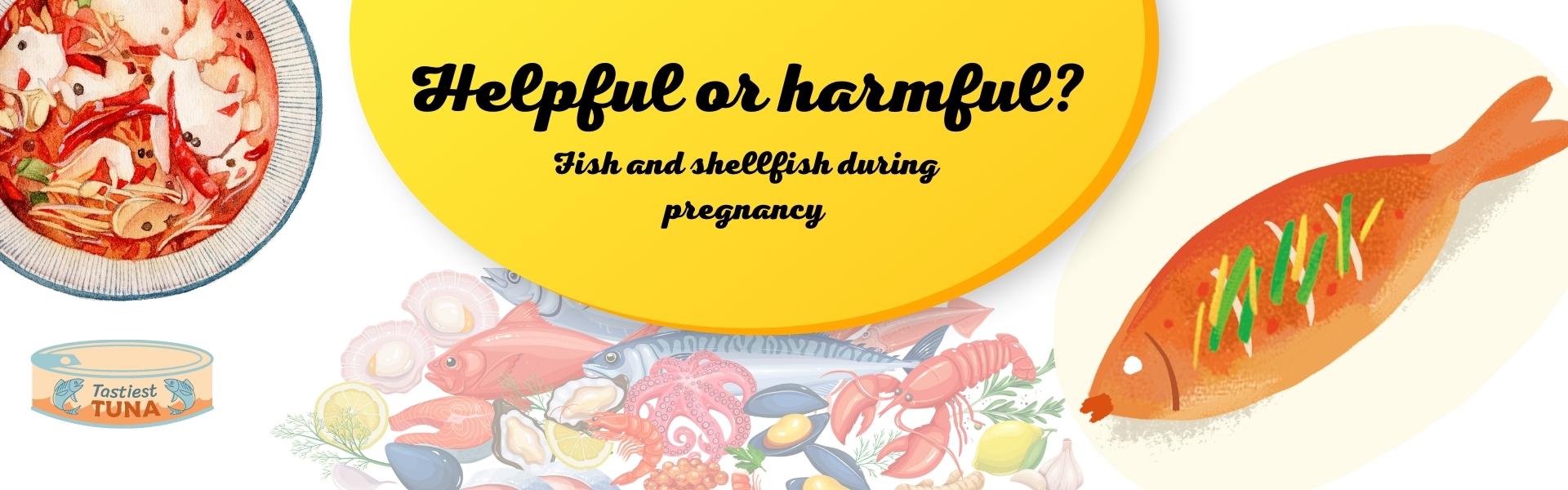
Fish and Shellfish During Pregnancy: Healthy or Harmful for Your Baby’s Development?
Is it Okay to Eat Fish and Shellfish During Pregnancy?
Pregnancy is a time when many women become more concerned about their diet and the impact it will have on their developing baby. One question that often comes up is whether or not it is safe to eat fish and shellfish during pregnancy. The answer is yes, but pregnant women need to be aware of some important precautions.
The Benefits of Eating Fish and Shellfish During Pregnancy
Fish and shellfish can provide many benefits to pregnant women and their developing babies:
Good Source of Protein
Fish and shellfish are excellent sources of protein, which is essential for fetal growth and development. Protein is also important for the development of the placenta, which nourishes the fetus throughout the pregnancy.
Omega-3 Fatty Acids
Fish and shellfish are rich in omega-3 fatty acids, which are important for brain and eye development in the fetus. Studies have also suggested that omega-3s may reduce the risk of preterm birth and postpartum depression. For example, a study published in JAMA Network Open found that women who ate two servings of fish per week during pregnancy had a 47% lower risk of preterm birth compared to women who ate less fish.
Improved Mood and Reduced Stress
Omega-3s have been shown to reduce symptoms of anxiety and depression in pregnant women. A study published in the Journal of the American College of Nutrition found that women who consumed more omega-3s during pregnancy had lower levels of anxiety.
Lower Risk of Allergies in Infants
Fish consumption during pregnancy has been linked to a reduced risk of eczema and food allergies in infants. A study published in the Journal of Allergy and Clinical Immunology found that children born to mothers who ate fish during pregnancy were less likely to develop eczema by age two.
Precautions to Take When Consuming Fish and Shellfish During Pregnancy
While fish and shellfish can be a healthy part of a pregnant woman’s diet, it is important to take some precautions to minimize potential risks:
Choose Low-Mercury Fish and Shellfish
Pregnant women can safely consume up to 12 ounces per week of low-mercury fish such as salmon, tilapia, shrimp, and canned light tuna. High-mercury fish such as sharks, swordfish, king mackerel, and tilefish should be avoided. Mercury can harm the developing brain and nervous system of the fetus.
Cook Fish and Shellfish Thoroughly
Raw or undercooked fish and shellfish can cause foodborne illness, which may be especially dangerous for pregnant women and their developing babies. Fish should be cooked to an internal temperature of 145°F.
Pay Attention to Where the Fish and Shellfish Come From
Some fish and shellfish can contain high levels of contaminants such as mercury, PCBs, and dioxins, depending on where they are caught. Pregnant women should choose fish and shellfish that are sourced from clean waters. Pregnant women should also avoid consuming fish with higher levels of persistent organic pollutants, even if they are low in mercury.
By following these guidelines, pregnant women can safely enjoy the benefits of fish and shellfish while minimizing potential risks to themselves and their developing babies.
In conclusion, consuming fish and shellfish during pregnancy can be a healthy and beneficial choice if done correctly. Pregnant women need to be cautious about the types of fish and shellfish they consume and the amounts they eat. By following the above-mentioned precautions, pregnant women can ensure the healthy development of their unborn child while reaping the benefits of these nutritious foods.
October 25, 2026