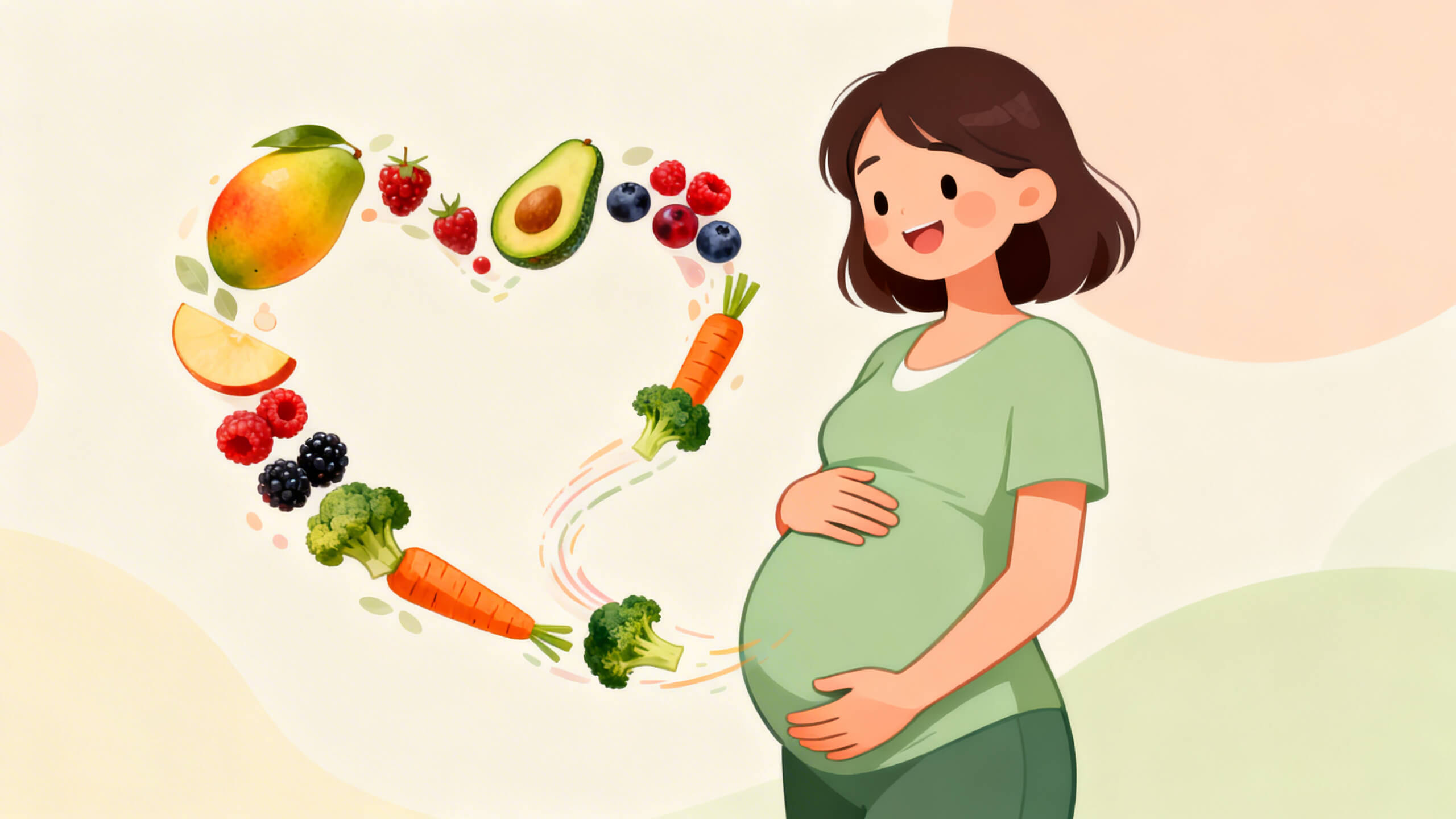
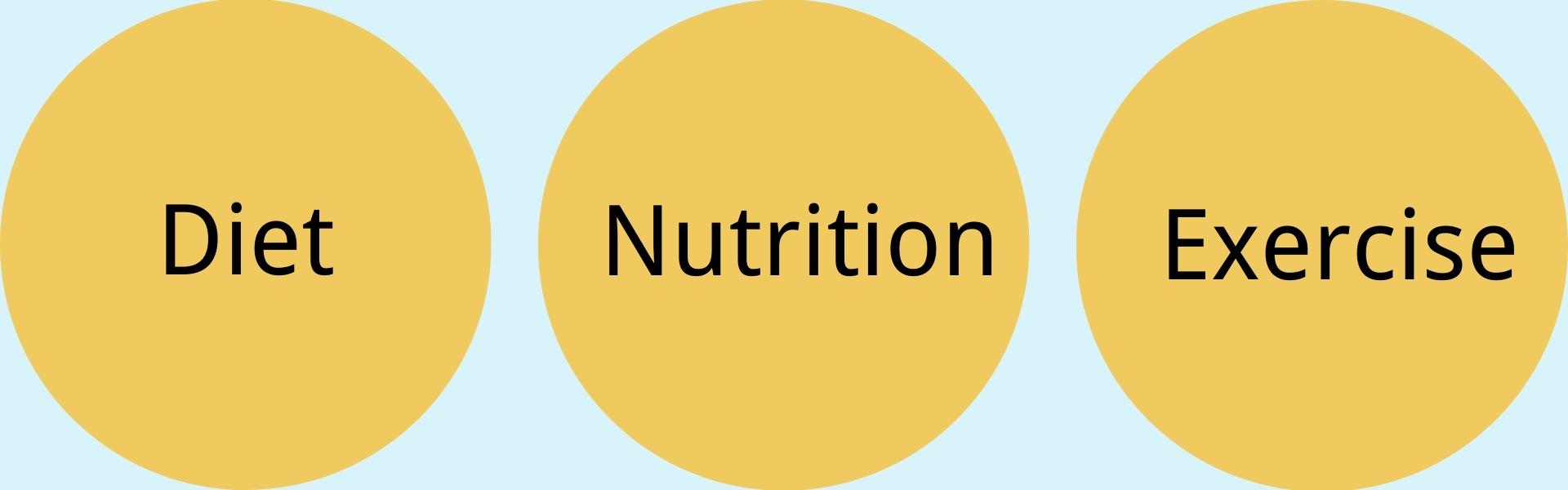
The 3 essential elements of a healthy pregnancy: are nutrition, diet, and exercise.
Pregnancy is a time of joy and excitement, but it can also be a time of uncertainty and anxiety for many expecting mothers. One of the most important factors for a healthy pregnancy is proper nutrition, diet, and exercise.
One of the three elements of a healthy pregnancy – nutrition during pregnancy
A pregnant woman needs more nutrients than usual to support the growing fetus. It is recommended that pregnant women consume a diet rich in whole grains, fruits, vegetables, lean protein, and low-fat dairy products. Here are some specific recommendations:
- Folic acid: Women who are planning to become pregnant should take 400 to 800 micrograms of folic acid daily to help prevent birth defects. Pregnant women should continue taking folic acid throughout their pregnancy.
- Iron: Pregnant women need more iron than usual to support fetal growth and development. Good sources of iron include red meat, poultry, fish, beans, and fortified cereals.
- Calcium: Pregnant women need 1,000 milligrams of calcium daily for fetal development. Good sources of calcium include milk, cheese, yogurt, and calcium-fortified juices and cereals.
- Vitamin D: Pregnant women need 600 international units (IU) of vitamin D daily to support fetal bone growth. Sources of vitamin D include fortified milk, fatty fish, and exposure to sunlight.
One of the three elements of a healthy pregnancy – diet during pregnancy
During pregnancy, it’s important to avoid certain foods that may be harmful to the developing fetus. These include:
- Raw or undercooked meat, poultry, and seafood
- Unpasteurized dairy products and juices
- Raw or undercooked eggs
- Deli meats and hot dogs (unless they are heated to steaming)
- Fish high in mercury, such as shark, swordfish, king mackerel, and tilefish
One of the three elements of a healthy pregnancy – exercise during pregnancy
Exercise during pregnancy can help you prepare for childbirth and reduce the risk of gestational diabetes and high blood pressure. Here are some guidelines for exercise during pregnancy:
- Talk to your healthcare provider before starting any exercise program.
- Aim for at least 30 minutes of moderate-intensity exercise most days of the week.
- Choose low-impact exercises such as walking, swimming, or stationary cycling.
- Avoid exercising in hot, humid weather or at high altitudes.
- Do not engage in contact sports or activities with a high risk of falling or injury.
Conclusion
Proper nutrition, diet, and exercise are important for a healthy pregnancy. By following these recommendations from authoritative experts or institutions, expectant mothers can help ensure the health of their growing fetus. As always, it’s important to consult with your healthcare provider before making any major changes to your diet or exercise routine.
October 25, 2026