
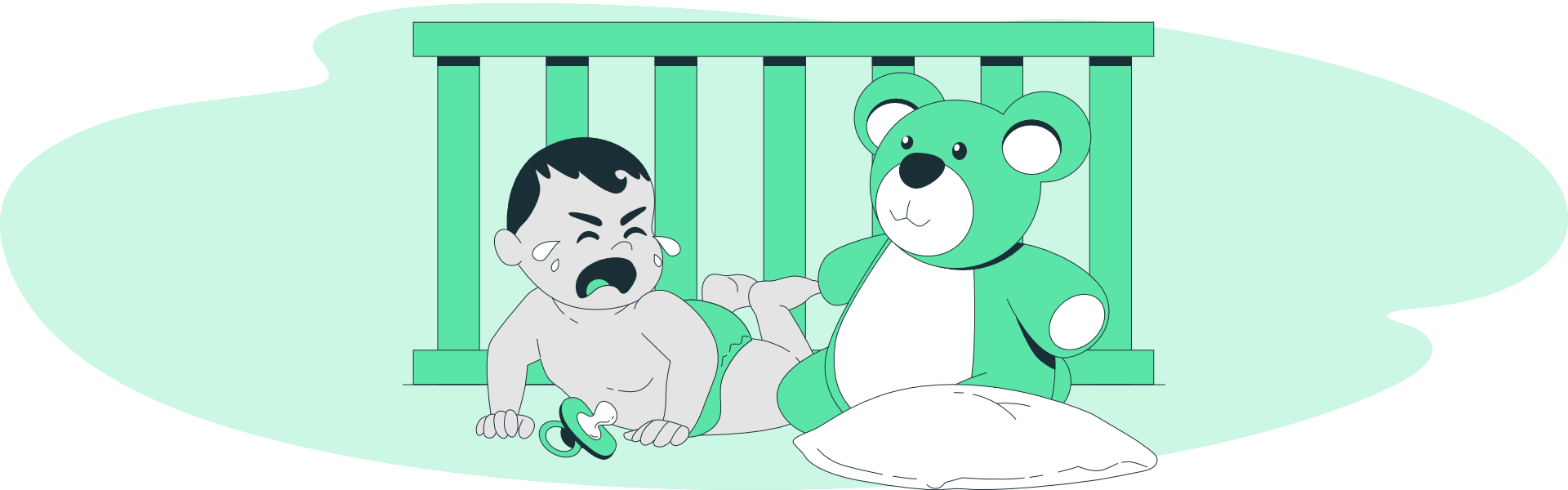
infant separation anxiety
What is Infant Separation Anxiety? Symptoms, Causes, and Solutions
Every parent has experienced that gut-wrenching moment: you’re about to leave for work, and suddenly your baby’s face crumples, tears start flowing, and heart-breaking sobs fill the air. Your little one reaches out desperately, and in that moment, you feel like the worst parent in the world.
Take heart – you’re experiencing a perfectly normal developmental milestone called infant separation anxiety.
While emotionally taxing for both parent and child, understanding the underlying mechanisms and implementing effective coping strategies can transform this challenging period from one of stress into an opportunity for growth and strengthened attachment.
Looking for a practical next step? Our separation anxiety guide for babies and toddlers brings together goodbye routines, reassuring words, and a free caregiver handoff template.
What is Infant Separation Anxiety?
Separation anxiety, in simple terms, is when a baby gets upset when separated from the people they’re most attached to – usually their parents or primary caregivers. It’s like a little alarm bell going off in their brain, saying, “Wait! Don’t go! I need you!” It’s not a sign of bad parenting or a spoiled baby. In fact, it’s the opposite: it shows that your baby has formed a healthy attachment to you. They feel safe and secure with you, and your absence creates a temporary feeling of insecurity.
It’s important to remember that separation anxiety is a normal developmental phase, not a lasting personality characteristic. Like learning to crawl or walk, it’s a temporary stage. Most babies begin showing signs of separation anxiety between 6 and 8 months old, often coinciding with increased mobility and awareness of their environment. The anxiety typically peaks in intensity between 10 and 18 months and gradually diminishes, usually disappearing between the ages of 2 and 3.
However, these are just general guidelines. Every baby develops at their own pace. Some babies might have a very mild reaction to separation, while others might be much more distressed. It’s like how some adults are naturally more outgoing, while others are more introverted – it’s just part of their individual personality.
Separation Anxiety vs. Stranger Anxiety (What’s the Difference?)
You might also hear about stranger anxiety, which is when a baby gets scared of unfamiliar people. These two anxieties often go hand-in-hand, but they’re not exactly the same.
- Stranger Anxiety: I don’t know this person, and I’m not sure if they’re safe.
- Separation Anxiety: My mom/dad/caregiver is leaving, and I need them to feel safe.
The presence of a stranger can worsen separation anxiety. Imagine a baby who’s already feeling anxious about their parent leaving. If a stranger is also present, it adds another layer of uncertainty and can make the baby feel even more vulnerable.
Why Does Infant Separation Anxiety Happen?
Infant separation anxiety happens because of a combination of cognitive, emotional, and social developments in the baby.
Object Permanence in Babies
A big reason why separation anxiety happens is because of something called object permanence. This is a fancy term for a simple idea: understanding that things still exist even when you can’t see them.
Before Object Permanence: Very young babies (generally before 6-8 months) don’t fully grasp the concept of object permanence. This means that when something (or someone) is out of sight, it’s essentially “gone” from their world. They don’t understand that it still exists. So, when a parent leaves, the baby doesn’t understand they’ll be back.
Developing Object Permanence: Around 6-8 months (and continuing to develop through the first two years), babies begin to understand that objects and people continue to exist even when they can’t see them. This is a huge cognitive leap. However, this new understanding also creates anxiety. They know their parent exists, but they also know the parent is not there, and they don’t yet have the cognitive capacity to fully understand time or the concept of “returning.” They want their parent, they know their parent is somewhere, but they don’t know where or when they’ll be back.
Attachment Formation
Attachment theory, a fundamental concept in understanding child development, was first introduced by John Bowlby and later expanded upon by Mary Ainsworth. This theory suggests that babies are biologically driven to form strong emotional bonds with their primary caregivers. This natural inclination is crucial for a child’s survival and healthy growth, laying the foundation for relationships throughout their life.
The Evolutionary Angle
From an evolutionary perspective, separation anxiety likely served a crucial survival function. Think about it: thousands of years ago, a baby who stayed close to their caregiver was much more likely to survive. There were predators and dangers everywhere! So, that “clinginess” is actually a deeply ingrained survival instinct. It’s a baby’s way of saying, “Stay close, I need you to protect me!” As babies develop a sense of self – realizing they are separate individuals – they also become more aware of their dependence on their caregivers. This awareness can heighten the anxiety associated with separation.
Cognitive Development and Awareness
- Increased Awareness of Surroundings: As babies get older, they become more aware of their environment and the people in it. They start to distinguish between familiar and unfamiliar faces.
- Limited Understanding of Time: Babies have a very limited concept of time. Even a short separation can feel like an eternity to them. They don’t understand “I’ll be back in five minutes.”
- The Emerging Self: As infants develop a stronger sense of self, recognizing themselves as separate individuals, they also become acutely aware of their dependence on their caregivers for survival and well-being. This heightened awareness contributes to the distress experienced during separation.
Separation anxiety is a normal developmental milestone driven by the baby’s growing understanding of the world, their strong attachment to their caregivers, and their limited ability to understand time and absence. It’s a sign that the baby is developing healthy attachments and cognitive skills.
Recognizing Infant Separation Anxiety Symptoms
Separation anxiety doesn’t manifest uniformly across all infants. The intensity and specific behaviors vary considerably, influenced by factors such as temperament, prior experiences, and the caregiver’s response.
Generally, separation anxiety emerges around 6 to 8 months of age, coinciding with significant cognitive leaps. It typically peaks between 10 and 18 months, gradually diminishing by 24 months. However, this is a broad guideline. Some infants may exhibit signs earlier or later, and the duration can fluctuate. It’s also common for separation anxiety to resurface during periods of stress or change, such as starting daycare, moving to a new home, or the arrival of a new sibling. These “regressions” are usually temporary and resolve as the child adjusts to the new circumstances.
Common Behavioral Clues:
- The Unmistakable Cry: Intense crying when the caregiver leaves, even for brief periods, is the most common indicator. This isn’t the typical fussiness that might arise from hunger or tiredness; it’s a distinct, often inconsolable cry triggered specifically by separation.
- The Cling Factor: A strong desire to be held constantly, resisting being put down, is another hallmark. The infant may cling tightly to the caregiver, making even simple tasks challenging. It’s like they’re a little koala clinging to their eucalyptus tree – you’re their safe and secure place.
- Stranger Danger: Fear of strangers, often developing concurrently with separation anxiety, can manifest as withdrawal, crying, or clinging to the caregiver in the presence of unfamiliar individuals, even those who are friendly and well-meaning. This reflects the infant’s growing awareness of who is safe and familiar.
- Sleep’s Silent Struggle: Separation anxiety can significantly disrupt sleep patterns. Difficulty falling asleep, frequent night wakings with crying for the caregiver, and resistance to bedtime routines are common. This stems from the infant’s feeling of insecurity and the need for reassurance of the caregiver’s presence. Imagine being a baby, feeling all alone in the dark. You don’t know if your caregiver will come back. That’s why they might wake up crying – they need that reassurance.
- Playtime Pause: A noticeable loss of interest in toys or activities when the caregiver is not present indicates that the infant’s focus is entirely on the potential for separation. What was once captivating now holds little appeal without the caregiver’s reassuring presence.
- Regression’s Rewind: Some infants may temporarily revert to earlier behaviors, such as thumb-sucking, wanting a bottle again (even if they’ve been weaned), or increased bedwetting. This regression is a coping mechanism, a way to seek comfort and security in familiar routines. It’s like taking a step back to a time when they felt more secure, like a comforting hug from the past.
- The Body’s Burden (Less Common, But Crucial): While less frequent, extreme anxiety can manifest physically. In some cases, infants or toddlers may experience:
| Symptom | Description | Action |
|---|---|---|
| Tantrums | Intense emotional outbursts beyond typical frustration. | Stay calm, offer comfort, and ensure the child’s safety. |
| Vomiting (Rare) | Severe anxiety can trigger vomiting. | Consult a medical professional immediately. |
| Somatic Complaints | Older toddlers may complain of stomachaches or headaches related to anxiety. | Consult a medical professional to rule out other causes and address the anxiety. |
The Spectrum of Intensity:
It’s vital to remember that the intensity of separation anxiety varies dramatically. Some infants might exhibit mild distress, easily soothed with distraction or reassurance. Others may experience profound and prolonged distress, requiring more intensive support. This variation is influenced by several factors:
- Temperament: Infants with naturally sensitive or cautious temperaments are often more prone to intense separation anxiety. Just like some adults are more shy than others, some babies are naturally more sensitive. It’s not a reflection of parenting, but rather their unique personality.
- Past Experiences: Previous separations, especially if handled inconsistently or insensitively, can heighten anxiety.
- Caregiver Response: A calm, consistent, and reassuring response from the caregiver can significantly mitigate the intensity of the child’s distress. Conversely, an anxious or inconsistent response can exacerbate it.
How to Handle Infant Separation Anxiety
It’s tough seeing your little one so upset. But there are many things you can do to ease their anxiety (and yours!).
Navigating separation anxiety requires a blend of patience, understanding, and consistent application of evidence-based strategies. The goal is not to eliminate anxiety entirely (as it’s a normal developmental stage) but to help the child develop coping mechanisms and build trust in the caregiver’s return.
Before Separation
- Peek-a-Boo’s Power: Start with simple games like peek-a-boo. This seemingly trivial game reinforces the fundamental concept that disappearance is followed by reappearance, building a foundation of trust.
- Short and Sweet Separations: Begin with very brief separations (just a few seconds), gradually increasing the duration as the child becomes more comfortable. Always return when you say you will, reinforcing predictability and reliability.
- Create a Goodbye Routine: Make saying goodbye a predictable ritual. This could be a special wave, a kiss, a phrase like “Mommy always comes back,” or singing a short song. Consistency is key! It helps your baby understand what’s happening and that you’ll return.
- “Warm-Up” Time with New Caregivers: If you’re leaving your baby with someone new, let them spend time together while you’re still there. This allows your baby to get used to the new person in a safe and comfortable setting.
- Talk About It (Even if They Don’t Fully Understand): Even though your baby might not understand all your words, talk to them about where you’re going and when you’ll be back. Use simple language and a reassuring tone. Your voice can be very soothing.
- Don’t Sneak Away: It might be tempting to sneak away to avoid the tears, but this can actually make things worse. It can break your baby’s trust. Always say goodbye, even if it’s hard. It shows your baby that you’re reliable.
- Transitional Objects (A Little Piece of You): Introduce a comfort item, like a small blanket, a stuffed animal, or even a piece of your clothing that smells like you. This object can become a stand-in for you, providing comfort and security when you’re not there. Make sure the comfort item is safe for your baby. Avoid anything with small parts that could be a choking hazard, or long strings or ribbons.
- Create a Safe and Familiar Space: Make sure the environment your baby is in is safe, comfortable, and familiar.
During Separation
- Stay Calm and Confident: Babies are like little emotional sponges. They pick up on your feelings. If you’re anxious, they’ll be more anxious. Try to project a calm and reassuring demeanor, even if you’re feeling a little stressed yourself.
- Keep Goodbyes Brief and Positive: Don’t linger. A quick, loving goodbye is better than a long, drawn-out one.
- Acknowledge Their Feelings (But Don’t Overdo It): You can say something like, “I know you’re sad that I’m leaving, but I’ll be back soon.” But avoid excessive reassurance, as this can accidentally reinforce the anxiety.
- Trust the Caregiver: Once you’ve said goodbye, leave confidently. Trust that the person caring for your baby will be able to comfort them.
- Distraction is Your Friend: Encourage caregivers to use distraction techniques. This could be playing with a favorite toy, singing a song, or reading a book. The goal is to redirect your baby’s attention.
After Separation
- Greet Your Baby with Enthusiasm: Make your return a joyful event. Give your baby a big hug, smile, and let them know you’re happy to see them.
- Spend Quality Time: Make time to reconnect with your baby through play, cuddling, or just talking to them. This reinforces your bond.
- Talk About Your Time Apart: Even if your baby doesn’t fully understand, you can say things like, “Mommy went to work, and now I’m back! Let’s play!” This helps them build a story about what happened while you were gone.
- Be Consistent with Your Return: Try to come back when you said you would. This builds trust and helps your baby learn that separation is temporary.
- “Welcome Back” Ritual: Create a special little routine for when you return, just like you have a goodbye routine. This could be a special song, a hug, or a particular activity.
Addressing Nighttime Separation Anxiety in Infants
Nighttime separation anxiety can be especially tough because it disrupts everyone’s sleep.
- Consistent Bedtime Routine: A predictable routine is essential. This could include a bath, a story, a lullaby, or a combination of these. It signals to your baby that it’s time to sleep and helps them feel secure. Think of it like a calming wind-down process.
- Responding to Night Wakings (Calmly and Briefly): When your baby wakes up and cries, go to them but keep your interactions calm and brief. Offer comfort and reassurance, but try to avoid picking them up or bringing them into your bed unless absolutely necessary. The goal is to help them learn to soothe themselves back to sleep.
- Nightlight: A dim nightlight can help reduce fear of the dark, which can sometimes make nighttime separation anxiety worse.
- Comfort Object (Again): That special blanket or stuffed animal can be extra helpful at night, providing a sense of security.
- Gentle Sleep Training (A Note of Caution): Some families choose to use gentle sleep training methods to help their babies learn to sleep independently. These methods typically involve gradually increasing the time between when the baby cries and when the caregiver responds. However, it’s important to note that sleep training is a controversial topic, and there’s no one-size-fits-all approach. If you’re considering sleep training, it’s best to talk to your pediatrician or a certified sleep consultant to get personalized advice. Always prioritize your baby’s emotional well-being and choose a method that feels right for your family.
What Not to Do
- Don’t Sneak Away: This can erode trust and increase anxiety.
- Don’t Scold or Punish: Separation anxiety is a normal developmental stage, not misbehavior.
- Don’t Overreact: While you should validate their feelings, don’t make a bigger deal out of the separation than necessary.
- Don’t Give In: If you consistently give in to their cries and stay, you reinforce the behavior. Be firm but loving.
- Don’t Compare: Every child is different. Don’t compare your child’s separation anxiety to others.
- Don’t Ignore Their Feelings: Acknowledge and validate their distress.
Separation anxiety can be very stressful for parents, and it’s important to acknowledge your feelings. Don’t hesitate to recognize feelings of guilt, sadness, or anxiety; these are perfectly normal.
To help you through this challenging time, seek support from your partner, friends, family, or other parents. Talking about your experiences and feelings can provide real comfort. Most importantly, prioritize self-care. Make time for activities that help you relax and recharge, such as a short walk, a call with a friend, listening to music, or simply taking deep breaths. Remember, taking care of yourself is essential. It allows you to be more present and supportive for your child.
When to Seek Professional Help for Baby Separation Anxiety
While separation anxiety is normal, there are times when it’s a good idea to seek professional help. Think of it like this: if your child had a persistent cough, you’d see a doctor. It’s the same with emotional well-being.
- Extreme Anxiety: If the separation anxiety is very intense, lasts for a long time, and interferes with your baby’s ability to eat, sleep, or play.
- No Improvement: If you’ve tried the strategies above for several weeks or months, and you’re not seeing any improvement.
- Physical Symptoms: If your baby is experiencing physical symptoms like vomiting, diarrhea, or panic attacks related to separation.
- Going Backwards: If your baby was doing well and then suddenly regresses to earlier behaviors (e.g., thumb-sucking, bedwetting).
- Parental Stress: If the separation anxiety is causing you significant stress or anxiety, and it’s affecting your ability to cope.
- Who to Talk To: Your pediatrician is a great place to start. They can assess your baby’s overall health and development and refer you to a child psychologist, developmental specialist, or other qualified professional if needed. These experts can provide personalized guidance and support.
- Ruling Out Other Issues: It is important for professionals to rule out rare cases where underlying medical conditions might contribute to anxiety.
FAQ About Infant Separation Anxiety
When does separation anxiety peak in babies?
Separation anxiety typically peaks between 10 and 18 months of age, though this can vary from child to child.
Is separation anxiety normal in babies?
Yes, separation anxiety is completely normal and actually indicates a healthy attachment between baby and caregiver.
How long does infant separation anxiety last?
For most children, separation anxiety gradually diminishes between ages 2 and 3, though some may experience it longer or shorter.
At what age do babies start showing separation anxiety?
Most babies begin showing signs of separation anxiety between 6 and 8 months old, coinciding with their developing object permanence.
How can I help my baby with separation anxiety at night?
Establish a consistent bedtime routine, use a comfort object, keep a nightlight on, and respond calmly but briefly to night wakings.
Conclusion
Separation anxiety is a normal part of a child’s development; it’s a sign of healthy emotional growth and a strong bond with caregivers. While it can be tough for both children and those who care for them, understanding why it happens and how to handle it can be very helpful. Parents can ease this phase by creating a safe and supportive atmosphere, slowly introducing separations, and offering comfort and reassurance.
Ultimately, separation anxiety is temporary. It usually lessens as children get older and learn ways to cope. The experience might be emotionally difficult, but it also helps children become more resilient and builds even stronger relationships. With patience and understanding, caregivers can transform this natural challenge into a chance for both themselves and their children to grow.
Optional Resources
Recommended Reading:
- “The Emotional Life of the Toddler” by Alicia F. Lieberman
- “Your Self-Confident Baby” by Magda Gerber
- “The Whole-Brain Child” by Daniel J. Siegel
Sources & Further Reading:
October 26, 2026

October 26, 2026

October 26, 2026