When Does PURPLE Crying Stop?
PURPLE crying has a biological expiration date. For most infants, the intense, unpredictable crying that defines this phase is functionally over by the fifth month of life.
Complimentary US Shipping on Orders Over $79



PURPLE crying has a biological expiration date. For most infants, the intense, unpredictable crying that defines this phase is functionally over by the fifth month of life.

If you find yourself wondering why is the first 3 months called the fourth trimester, it is because human evolutionary biology requires babies to be born neurologically premature, meaning they need you to act as a comforting external womb while the birthing parent simultaneously undergoes a massive physical, hormonal, and psychological metamorphosis.

Flavor training during pregnancy—achieved by simply eating a diverse, aromatic diet—introduces your developing baby to complex tastes through the amniotic fluid, giving them a biological head start toward becoming an adventurous eater long before their first bite of solid food.

Infant flavor training is not an exercise in competitive parenting. It is not about producing a prodigy who requests fennel risotto at age three or critiques the seasoning on restaurant meals. It is about something far more practical and far more lasting: giving a child the neurological foundation for a broad, flexible, and joyful relationship with food — one that supports physical health through nutritional diversity, reduces family stress by eliminating mealtime battles, and provides the social ease of being able to eat readily and happily across every culture, kitchen, and table that life will present.
Follow a cautious breast milk bath routine for baby eczema, including water temperature, hygiene, short bathing, prompt moisturizing, and when to stop.

A breast milk bath for baby eczema is a scientifically backed, natural remedy that repairs the skin's broken barrier using human milk's unique fatty acids and antibodies; simply add 4 to 10 ounces of milk to a lukewarm tub, let your baby soak for 10 to 15 minutes without rinsing, and immediately apply a thick ointment to lock in the healing moisture.

Often misdiagnosed as colic or an allergy due to the severe gas, constant hunger cues, and green, frothy stools it causes in otherwise thriving infants, lactose overload in breastfed babies is a highly treatable mechanical issue—driven by consuming too much high-sugar foremilk too quickly—that can be entirely resolved by adjusting feeding techniques to ensure the infant accesses the fat-rich, digestion-slowing hindmilk.
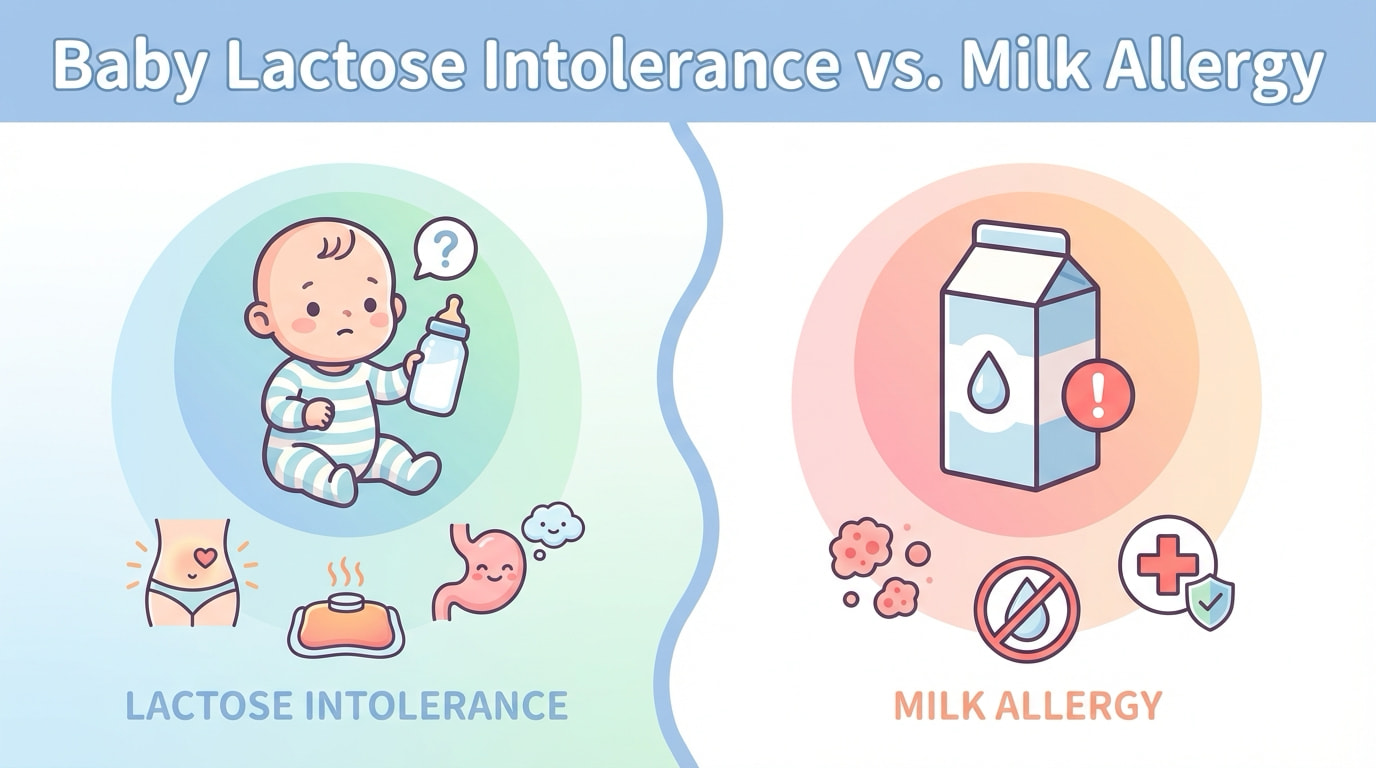
The key to understanding baby lactose intolerance vs. milk allergy is that an allergy is an immune reaction requiring total dairy elimination and often presents with skin rashes, respiratory issues, or blood in the stool, while lactose intolerance is a temporary digestive issue isolated to the gut that causes gas and acidic diarrhea.

Why is lactose important for babies? It serves as a biological masterpiece that fuels rapid physical growth, provides essential galactose for infant brain development, acts as a prebiotic to cultivate a healthy gut microbiome, and functions as a vital mineral magnet to enhance the absorption of calcium and iron for long-term health.

To ensure optimal growth and brain development, parents should focus on how much natural sugar for babies is provided through breast milk, formula, and whole foods while strictly avoiding added sugars and fruit juices until age two to build a healthy, lifelong relationship with food.
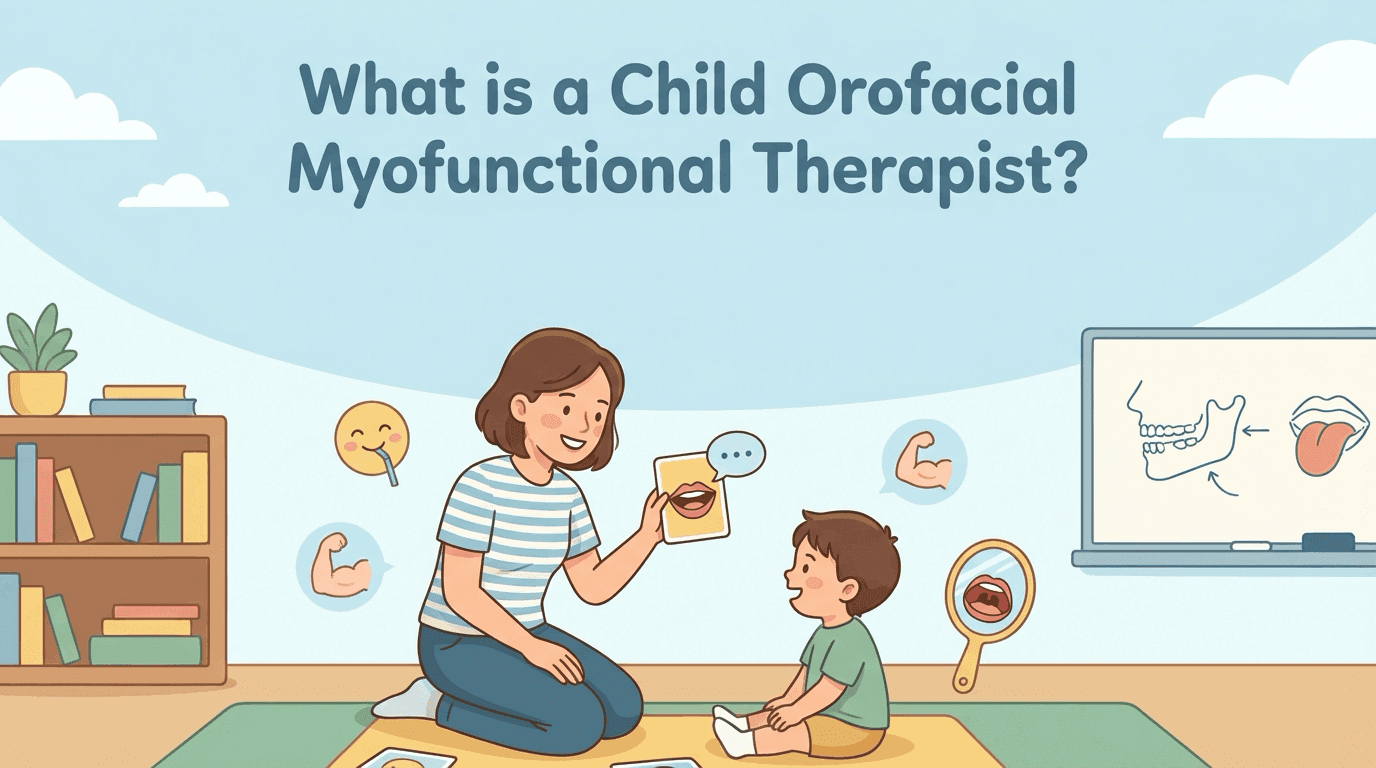
A Child Orofacial Myofunctional Therapist is a specialized healthcare professional who rehabilitates the muscles of the mouth and face to address the hidden root causes of common sleep, breathing, eating, and speech issues, ultimately guiding proper facial development and systemic health.

If a child is consistently breathing through the mouth—particularly during sleep—it is worth raising the concern with a pediatrician. A brief video of the child sleeping can be a valuable diagnostic tool. Early evaluation by an ENT specialist and a pediatric dentist can provide clarity, identify the underlying cause, and open the door to interventions that may reshape not just a smile, but a child's entire experience of rest, focus, and well-being.