About Leon

This author has not yet filled in any details.
So far Leon has created 190 blog entries.

Why Is My Baby Putting Everything in Their Mouth?

Infant mouthing is a vital, evolutionarily driven developmental milestone that serves as a baby's primary method for gathering sensory data, strengthening the complex oral muscles required for future speech, and calibrating their developing immune system, making it a behavior for parents to safely facilitate rather than fear.
Fluoride for Baby Teeth: A Parent’s Guide

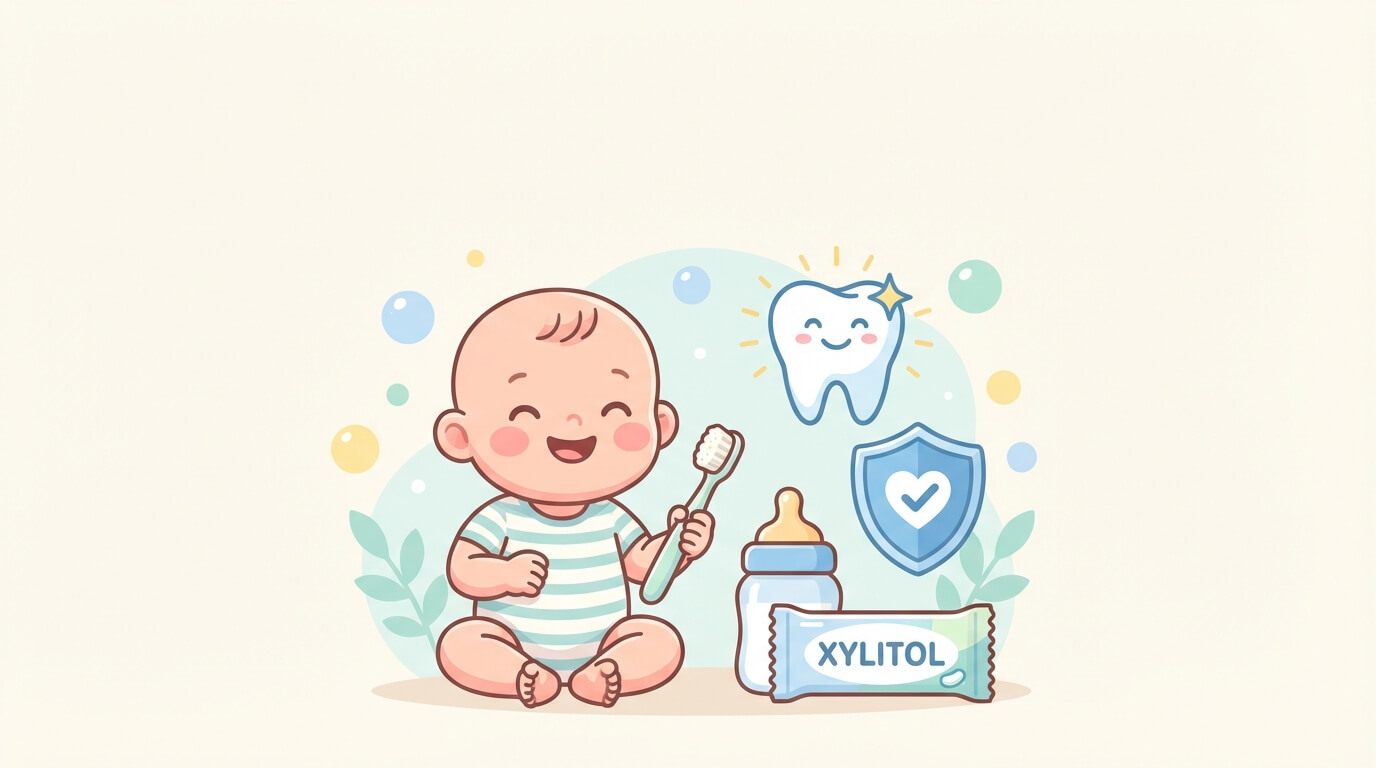
Fluoride is a safe and effective way to help prevent tooth decay in infants and young children. It strengthens tooth enamel, supports remineralization, and lowers the risk of cavities. With age-appropriate use—such as a rice-grain-sized amount of fluoride toothpaste from the first tooth, supervised brushing, and professional fluoride varnish when needed—fluoride can play an important role in protecting baby teeth.

Does Xylitol Prevent Baby Cavities?

Xylitol can help reduce a baby’s risk of cavities by lowering cavity‑causing bacteria, but it’s not a standalone solution and must be used alongside good oral hygiene and regular dental care.

Baby Bottle Tooth Decay: Causes & Prevention

Baby bottle tooth decay (also called nursing bottle caries or early childhood caries from bottle use) is rapid tooth decay in infants and toddlers caused by prolonged exposure to sugary liquids like milk, formula, or juice—especially when babies fall asleep with a bottle, allowing sugars to pool on teeth overnight.

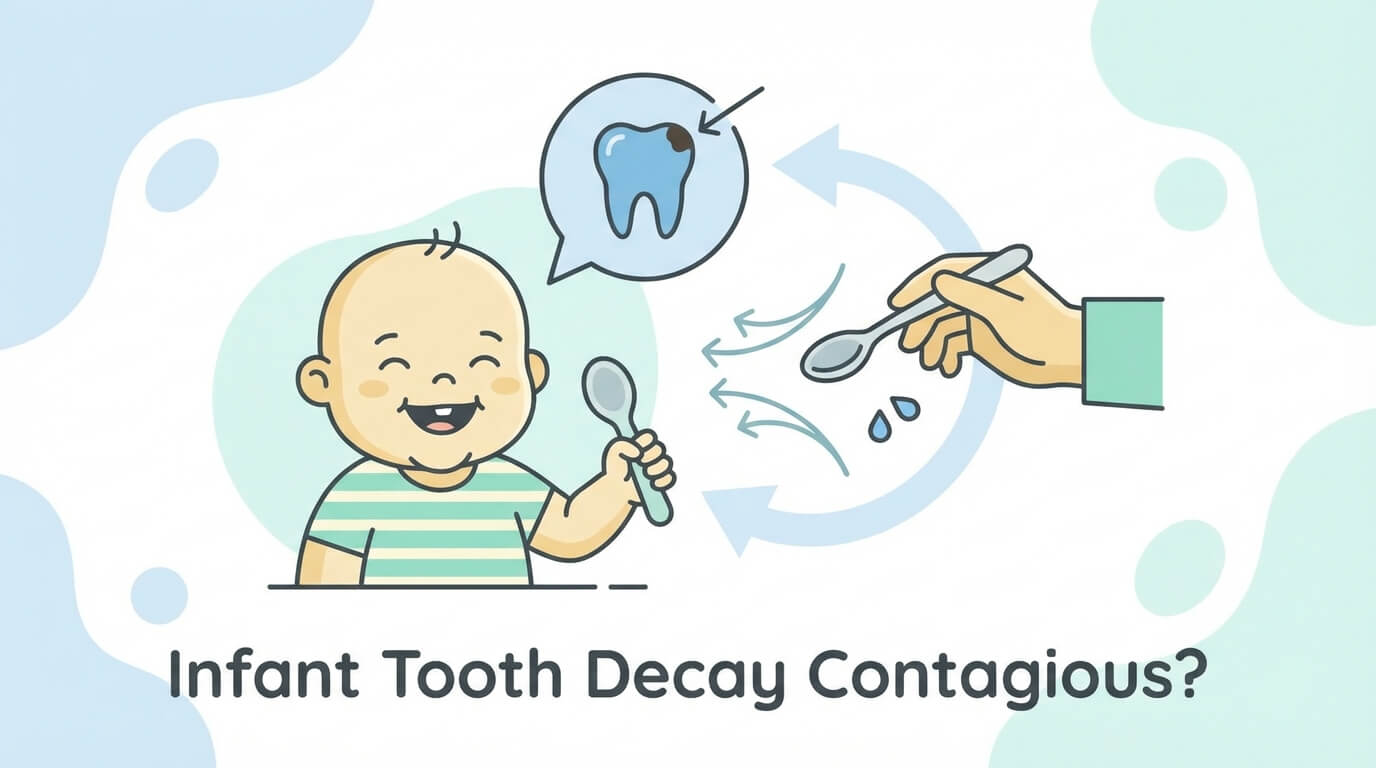
Is Infant Tooth Decay Contagious?

Is Infant Tooth Decay Contagious? Yes, infant tooth decay (early childhood caries) is an infectious disease spread by cavity-causing bacteria passed from parents or caregivers to babies through saliva, such as via lip kissing or sharing spoons. The good news: it’s highly preventable — keep your own mouth healthy, avoid saliva sharing, clean baby’s gums and teeth daily from birth, limit sugary bottles (especially at night), and see a pediatric dentist early (by age 1) to greatly reduce or eliminate the risk and keep your baby’s smile healthy.

Non-Nutritive Sucking in Babies: What It Is, Benefits & When to Encourage or Limit It

Non-nutritive sucking is one of the oldest and most elegantly designed features of the human infant. It predates spoken language by millennia. It predates parenting philosophies, cultural norms, and the invention of the silicone pacifier by countless generations. It is a biological endowment — wired into the fetal brain well before the third trimester, refined through infancy, and gradually released as the developing nervous system acquires richer, more versatile tools for self-regulation, communication, and emotional management.

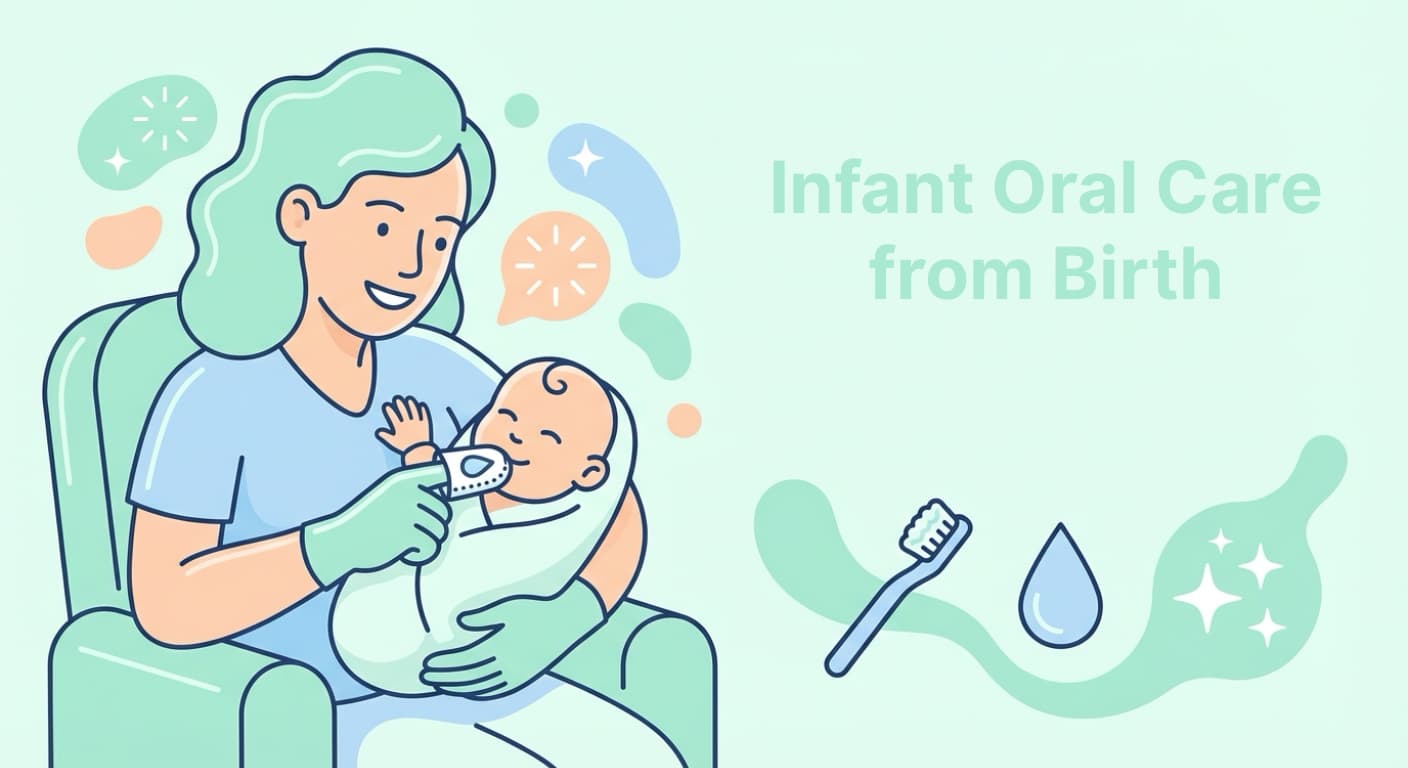
Infant Oral Care from Birth

Infant oral care refers to the gentle, daily routine of cleaning a baby's mouth—from birth onward—starting with wiping the gums and tongue with a soft, damp cloth after feedings to remove milk residue and bacteria, then transitioning to brushing emerging teeth with a soft toothbrush and a tiny smear of fluoride toothpaste to prevent early decay and build healthy oral habits.

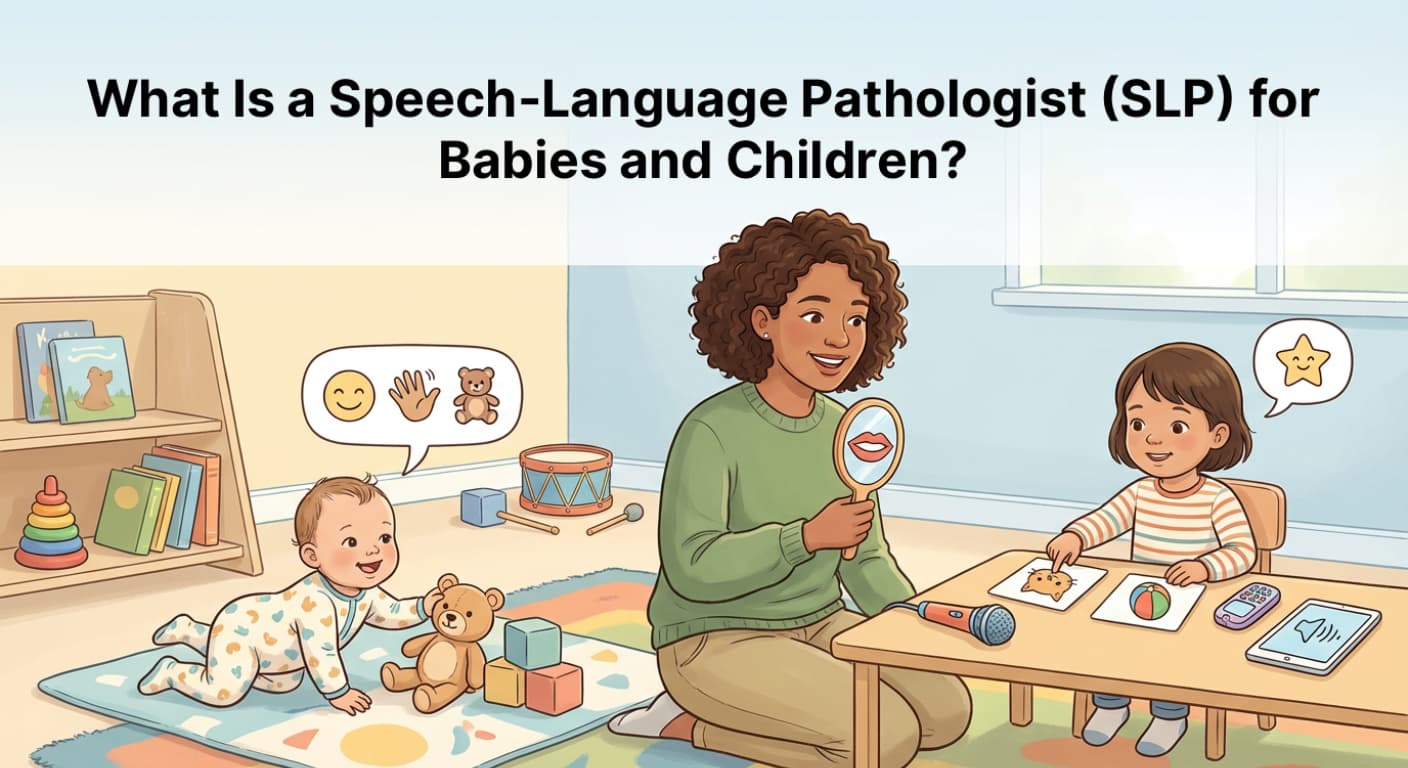
What Is a Speech-Language Pathologist (SLP) for Babies and Children?

A speech-language pathologist (SLP) for babies and children is a specialized professional (often called a pediatric SLP or speech therapist) who evaluates and supports young children—from newborns and infants to toddlers and older kids—with challenges in communication, speech sounds, language development, feeding/swallowing, and related oral-motor skills to help them reach key developmental milestones.

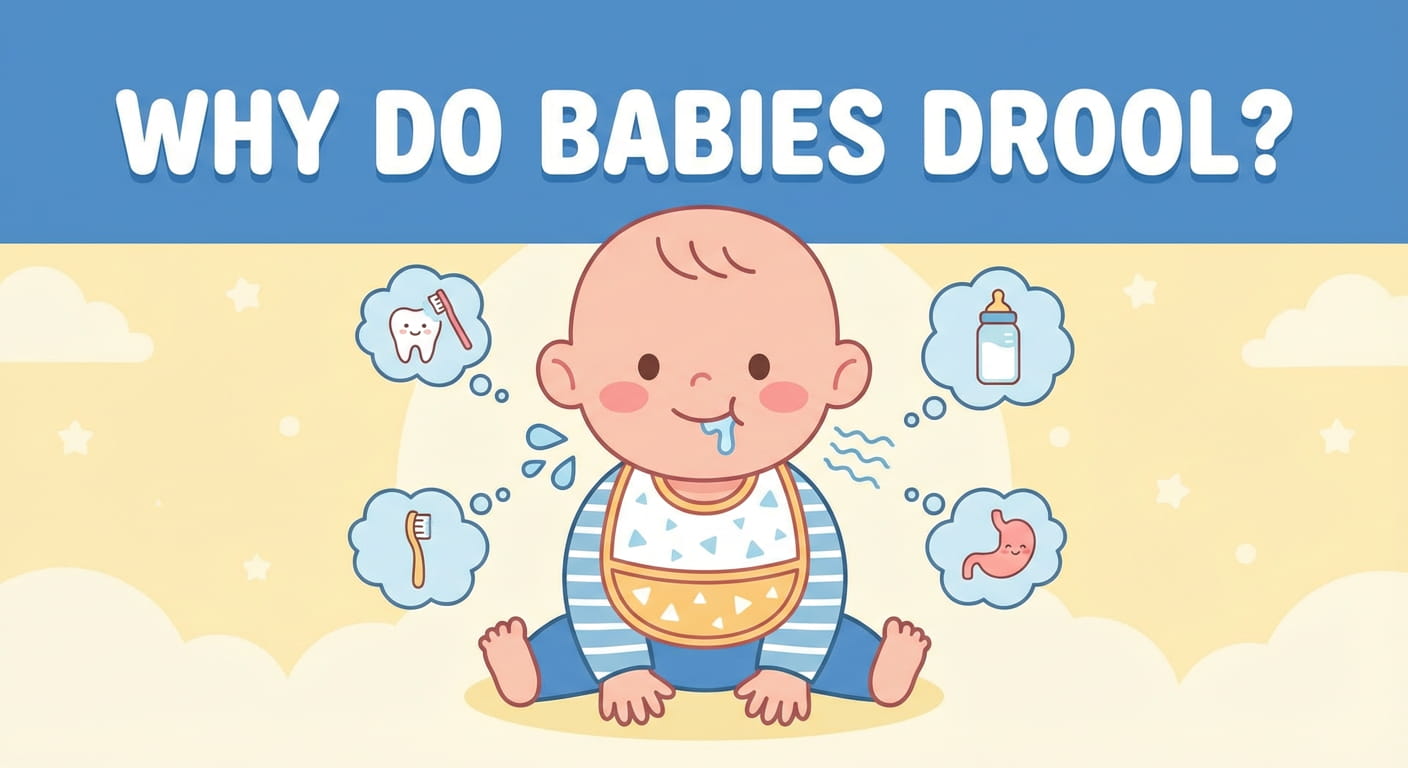
Why Do Babies Drool?

Why Do Babies Drool? It's a completely normal part of infant development, driven by teething, the maturation of salivary glands, and the fact that babies haven't yet developed the muscle control needed to swallow excess saliva.

Go to Top